Secrets
Secrets
- 3D
- Photography
- Nature
- Architecture
landscape
3d
00:20
2021

Harvest
Ryan Koopmans & Alice Wexell

Promises
Ryan Koopmans & Alice Wexell

Desire
Ryan Koopmans & Alice Wexell

Euphoria
Ryan Koopmans & Alice Wexell
Secrets
Ryan Koopmans & Alice Wexell

Remedy
Ryan Koopmans & Alice Wexell

Devotion
Ryan Koopmans & Alice Wexell

Hollow
Ryan Koopmans & Alice Wexell
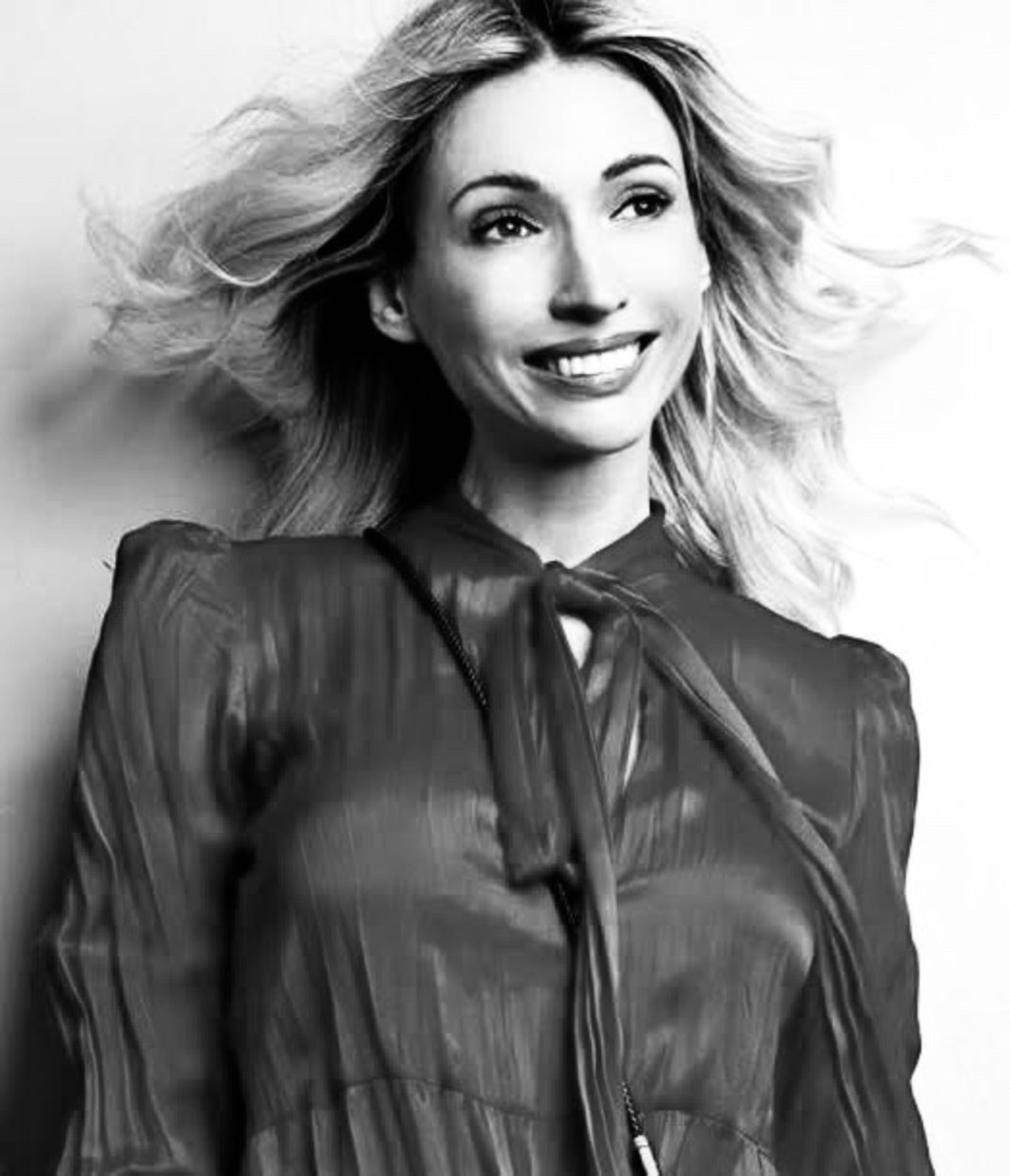
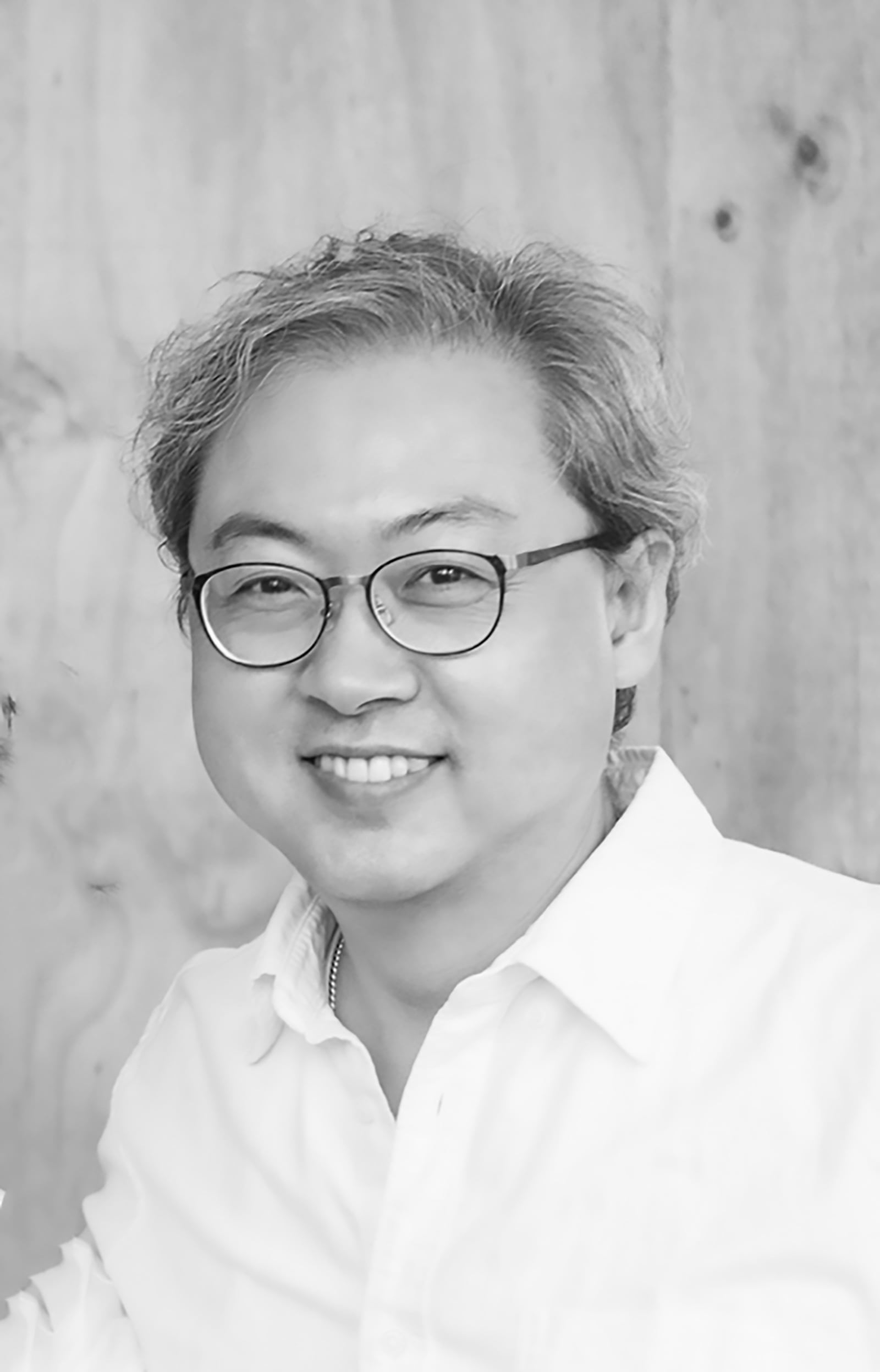
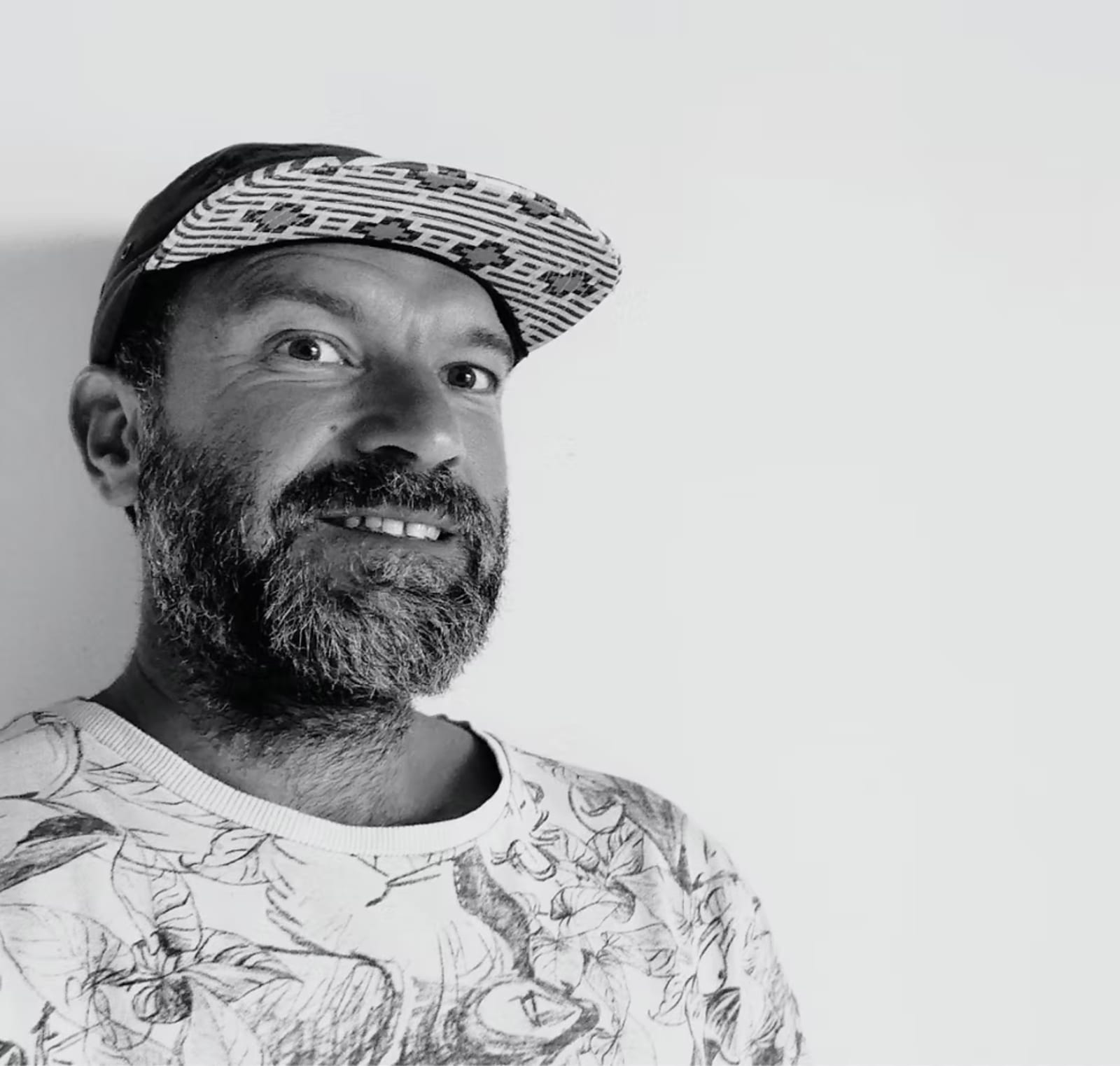
Ryan Koopmans (BA, MFA) and Alice Wexell are an artistic duo whose practice explores the intersections between architecture, nature, and collective memory. Ryan, born in Amsterdam in 1986 and raised on Vancouver Island, studied geography, art history, and psychology at the University of British Columbia before earning a master’s degree in photography, video, and related media at the School of Visual Arts in New York. Alice, based in Stockholm, honed her skills in animation and coding at Lund University in Sweden. Their collaboration combines Ryan’s photographic eye, fascinated by urban structures and their relationship with nature, with Alice’s digital expertise, driven by a passion for creating surreal environments through innovative technologies. Together, they transform abandoned spaces into animated works of art, where digital vegetation, light, and movement breathe new life into places steeped in history, creating a visual poetry that bridges the past and the future. Their flagship project, The Wild Within, launched in 2021, marked a turning point in their careers by reinventing forgotten buildings through a digital rebirth. Their approach, both conceptual and visually striking, has established them as leading figures in contemporary digital art.
Their works, exhibited from Beijing to Miami, including stops in Seoul, Stockholm, and Montreal, have been featured in prestigious institutions and galleries such as Christie’s, Sotheby’s, the Leila Heller Gallery, and the Swedish Pavilion, and highlighted in international media outlets such as Vogue, GQ Middle East, The National, and WIRED. Their work, collected by digital art funds and private collectors, has also been the subject of collaborations with renowned brands and institutions, such as Mercedes-Benz, BOTTO, and SuperRare.

Secrets
‘Secrets' is a piece from the genesis project ‘The Wild Within’ by Ryan Koopmans and Alice Wexell. This series brings new life into abandoned buildings from a bygone Soviet era. Based on real-world physical spaces, an animated rebirth into a digital realm has been created.
During the Soviet Union, the Georgian town of Tskaltubo was a popular health destination famed for its therapeutic water and luxurious sanatoriums. Between the 1940’s to 1980’s thousands of people visited, including Stalin and his high-ranking officials from Moscow. When the Soviet Union collapsed, the buildings were deserted and fell into disrepair. Since the early 90's, they have been slowly dismantled and stripped of their valuable materials, leaving empty shells of what were once grandiose classical structures. Koopmans visited this region over several years, exploring the ruins and photographing the spaces. Upon returning, in collaboration with Alice Wexell, they digitally introduced vegetation, manipulated the lighting and structure, added sound by Ross K, and animated the scenes with the intention of reviving the empty spaces, essentially bringing life back into the rooms.
The results are a surreal collision between the past and future, as well as the physical and digital worlds. Some of the buildings depicted in this project have been demolished in recent months, further emphasizing the theme of time passing in the cycle of growth and decay.
3d
landscape
00:20
2021
More from Ryan Koopmans & Alice Wexell
More on digital art
Collections with the artist