Spain

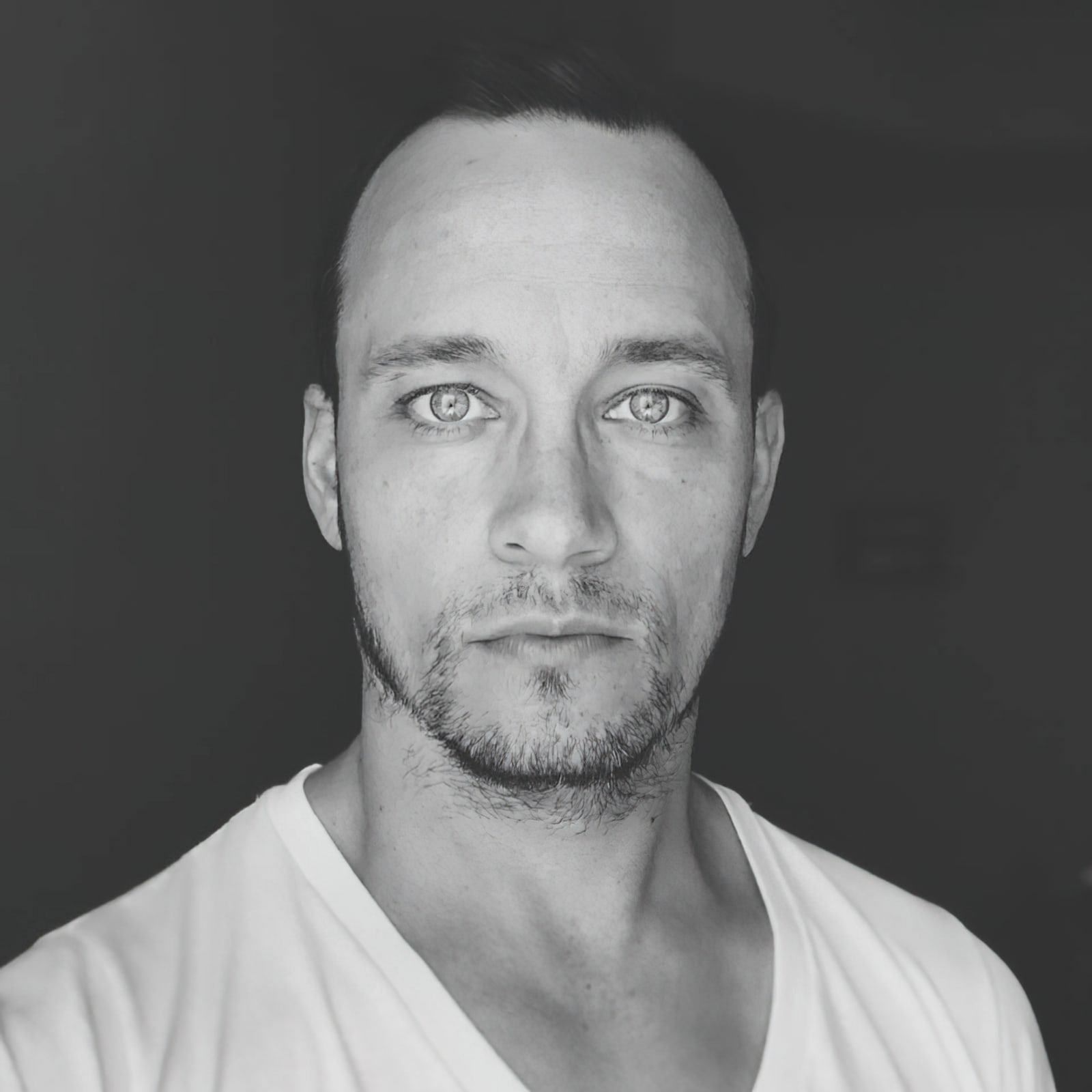
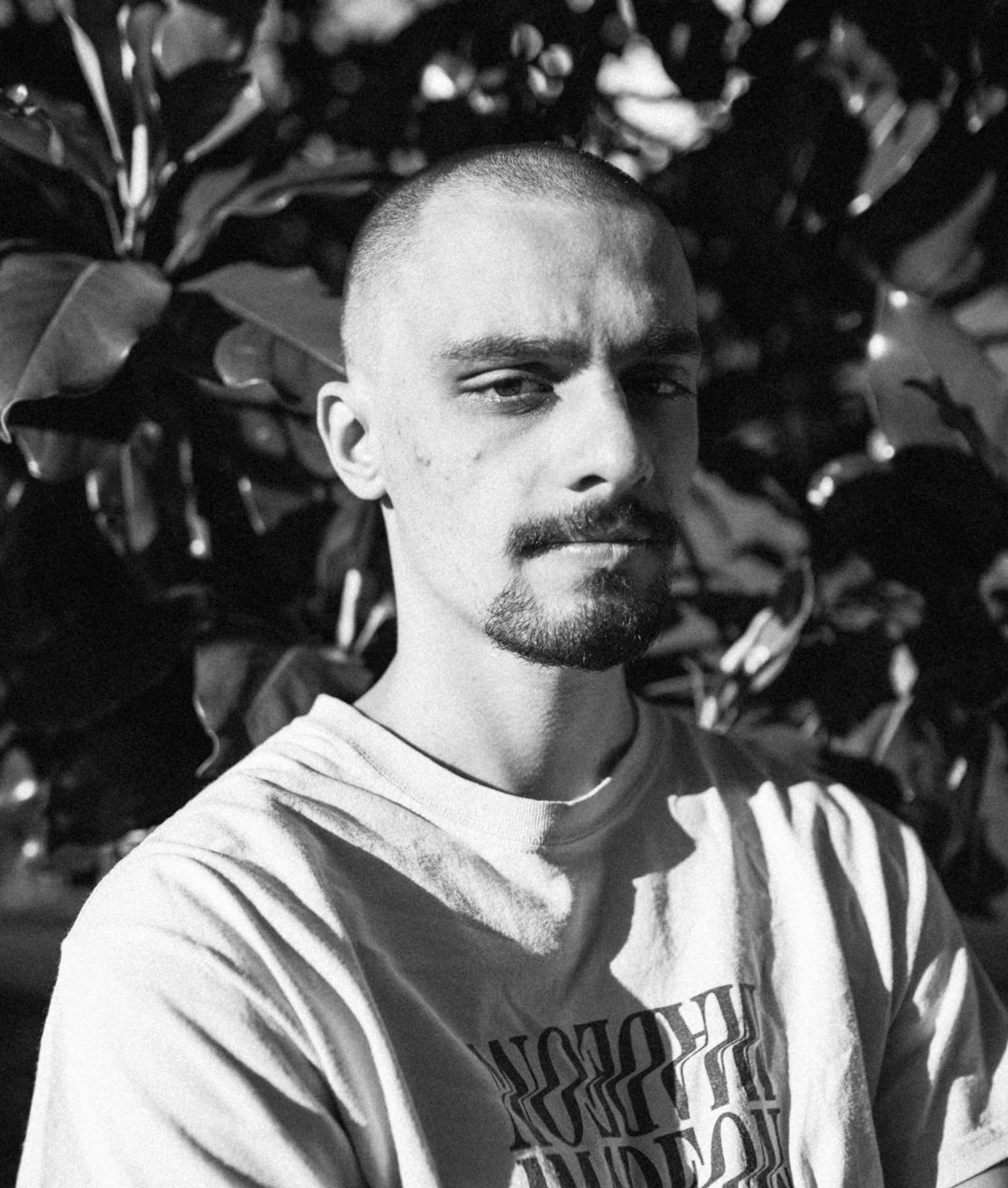
mnmlgrd is a visual designer based in Seville, born in Huelva, in southwestern Spain, near the Portuguese border. Trained in graphic design and visual communication, he has gradually shifted his practice toward generative art and digital experimentation, primarily using TouchDesigner. His work explores the relationships between chance, organic growth, and complex structures. He draws inspiration from nature on every scale, from the microscopic to entire worlds, without seeking to represent it literally: it is nature’s behavior that interests him; the way things grow, transform, and endure. These processes are embodied in geometric abstraction and procedural systems, designed to generate an infinite number of pieces: each one emerging from randomly generated patterns within a cohesive palette, ensuring that no two works are ever identical. The sea, the pulse of the tides, and their dynamics recur as recurring motifs, linked to memory, change, and the unstable nature of matter.

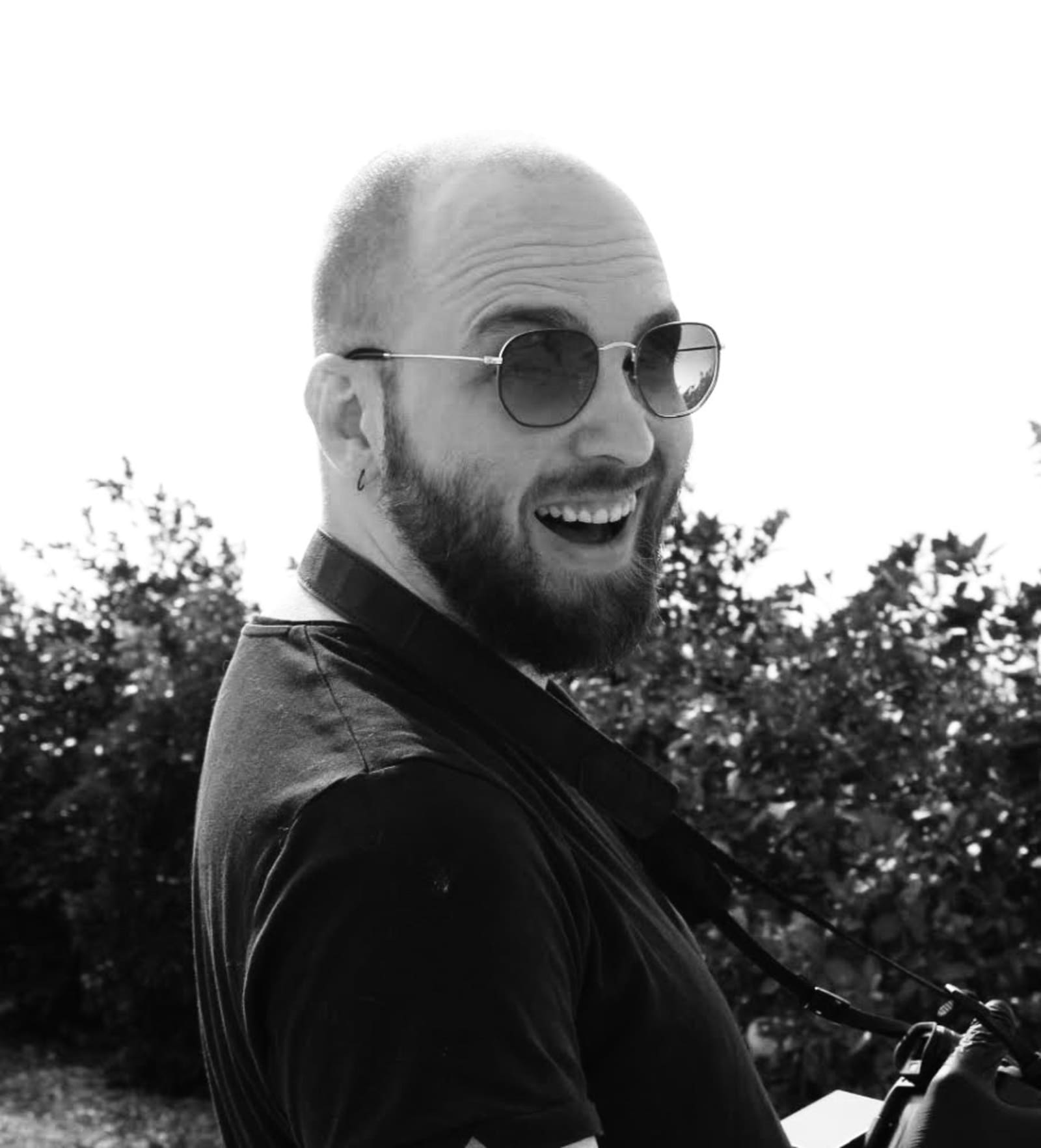
Alongside this artistic exploration, he works at the Seville-based graphic design and web development studio No somos nada, which champions simple, honest, and harmonious communication. The studio has collaborated with leading cultural and institutional partners, including the 2026 UIA World Congress of Architects in Barcelona, the Transeuropa Festival, the MAR platform supported by the Daniel and Nina Carasso Foundation, the hablarenarte association, and the Reina Sofía Museum, as well as Oxfam Intermón, Farmamundi, and the Circada Festival. This dual practice, spanning identity design and generative art, fosters a visual language that is both rigorous and vibrant.


5634dc2a-7dbf-4482-9267-8a042cc557a4.JPG

fractura. Weird Experiment III

3_fractura_Weird experiment (III).mp4

An exploration of randomness through the generation of micro-worlds and organic growth patterns. Using generative processes in TouchDesigner, the series investigates how complex structures emerge from simple systems, giving rise to unpredictable forms, evolving textures and ever-changing visual environments. Each experiment reveals a unique outcome shaped by chance and transformation.

technique

generative art

format

portrait

duration

01:09

year

2026

Transport

WANT TO BRING ART INTO YOUR SPACE?

More from mnmlgrd

More on digital art

Generative art
Generative art refers to a way of creating artworks using an autonomous system. In digital art, these are usually generated from code and algorithms created by the artist, often with certain predefined parameters or systems. Although these parameters guide the final outcome of the work, generative art is generally a surprising way to create artworks, as the results are often unexpected and the number of possible outcomes can be infinite.
AI
AI art is a branch of generative art that uses artificial intelligence. Unlike other generative artworks, AI artworks use specific complex algorithms and models derived from machine learning. The most common methods for creating AI art today are GANs (generative adversarial networks) or proprietary prompting platforms such as ChatGPT, Sora, Midjourney, or Dall-e.
3D
3D art uses 3D software such as Blender, Cinema4D, Houdini, or video game software such as Unity to create works of art. In 3D works, artists can either arrange assets (the 'objects' in a 3D artwork or world) that they have created themselves or purchased from other creators to create elaborate environments and scenes (an approach to 3D art called 'set dressing'), or specialize in sculpting, which involves creating their own objects and assets.
Photogrammetry
Photogrammetry is a specialized 3D technique that allows 3D objects to be created from numerous photographs taken of an object or scene from multiple angles. These photos are then compiled to determine the specific positioning, shape, and dimensions of the object in space, and then converted into a 3D model. Initially developed for engineering and urban planning, photogrammetry has become a way for artists to produce extremely accurate 3D models from real-life images.
Collage
An extension of the traditional, plastic approach to collage, digital collage involves searching for and cutting out multiple images, extracting them from their original context, and recomposing them in a new arrangement to create a work of art. Artists can use their own photographs or find images on the internet.
Illustration
Digital illustrations are created using software such as Adobe Illustrator, Photoshop, or Procreate. As with drawing on paper, the artist uses a stylus to sketch a figure or object, usually on a tablet, to construct a scene or artistic universe. Unlike traditional drawing methods, digital illustration is much more forgiving, as mistakes can be easily corrected and drawn elements and objects can be easily moved around within a scene.
Video
Video artworks primarily use a recording camera, but may sometimes include additional post-processing or editing to distort, modify or add additional elements to the image. Some artists use state-of-the-art recording equipment to create macro zoom-ins or time lapses, privileging fidelity to the subject matter. Others use additional softwares to significantly modify or warp the video, creating an alternative perspective on the world that surrounds us.

Collections with the artist

Where did you scan from

RATE YOUR EXPERIENCE