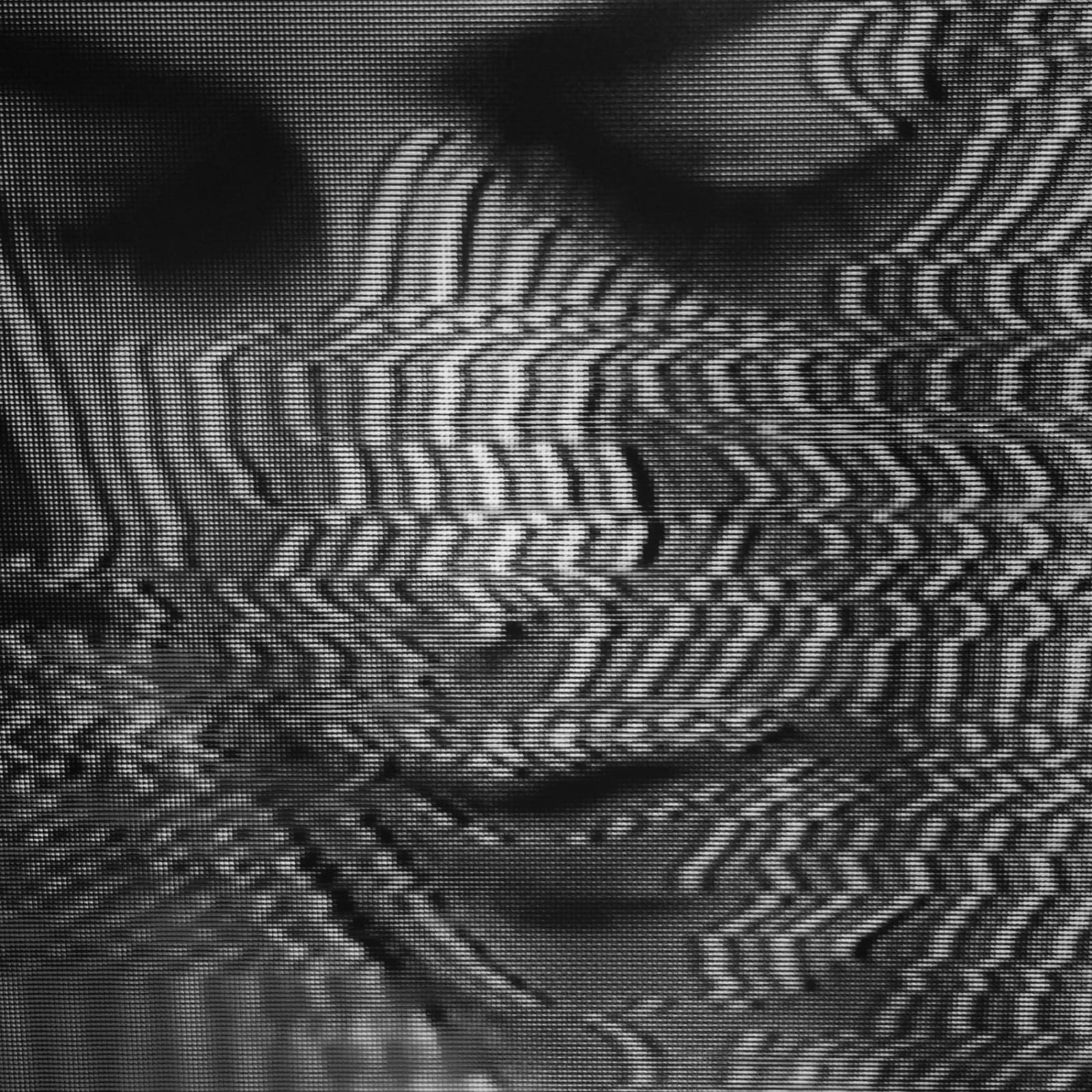
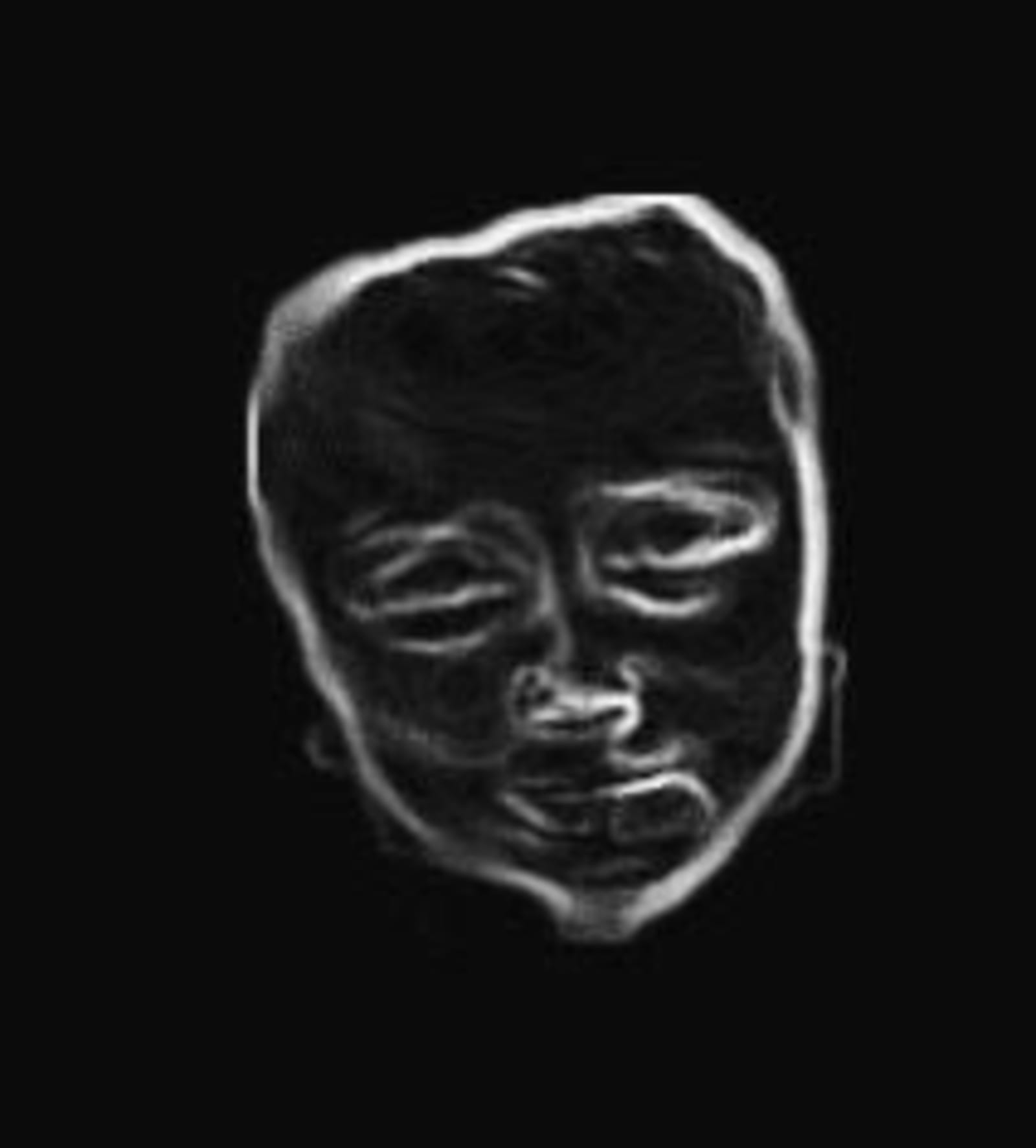
I've been so hard on myself but I know I'm still worth loving.
I've been so hard on myself but I know I'm still worth loving.
- Illustration
- Figurative
- Meditative
portrait
illustration
01:00
2024

Longing
The Next Most Famous Artist

The moment didn’t need meaning, it just needed me.
The Next Most Famous Artist

You deserve to rest. It's part of the journey too. - Horizontal
The Next Most Famous Artist

For a moment, can we stay here, away from it all? - Horizontal
The Next Most Famous Artist

Can we stay a while and just be?
The Next Most Famous Artist

You help me find myself, guiding me gently in our moments of peace.
The Next Most Famous Artist
I've been so hard on myself but I know I'm still worth loving.
The Next Most Famous Artist

You deserve to rest. It's part of the journey too.
The Next Most Famous Artist
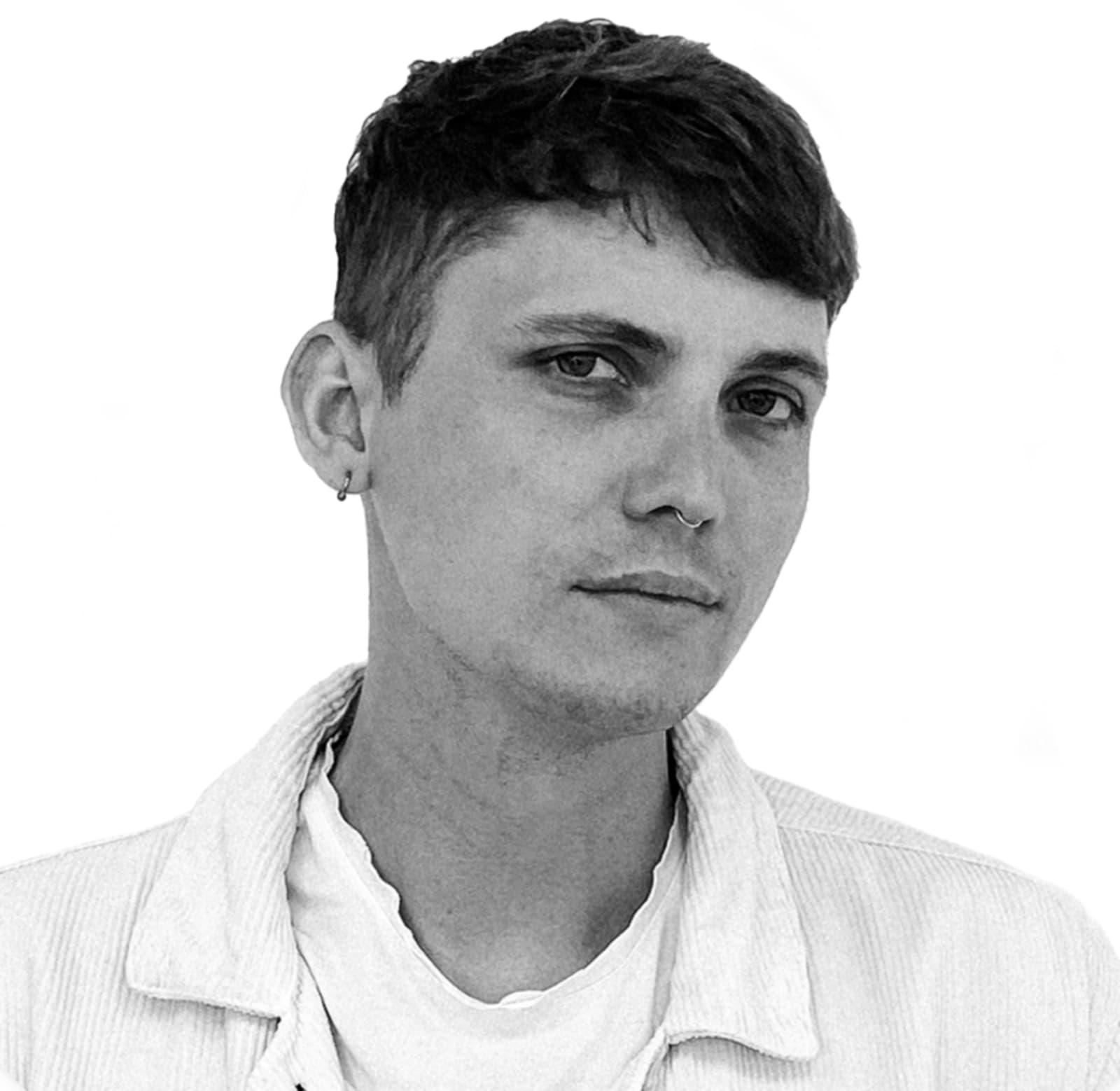
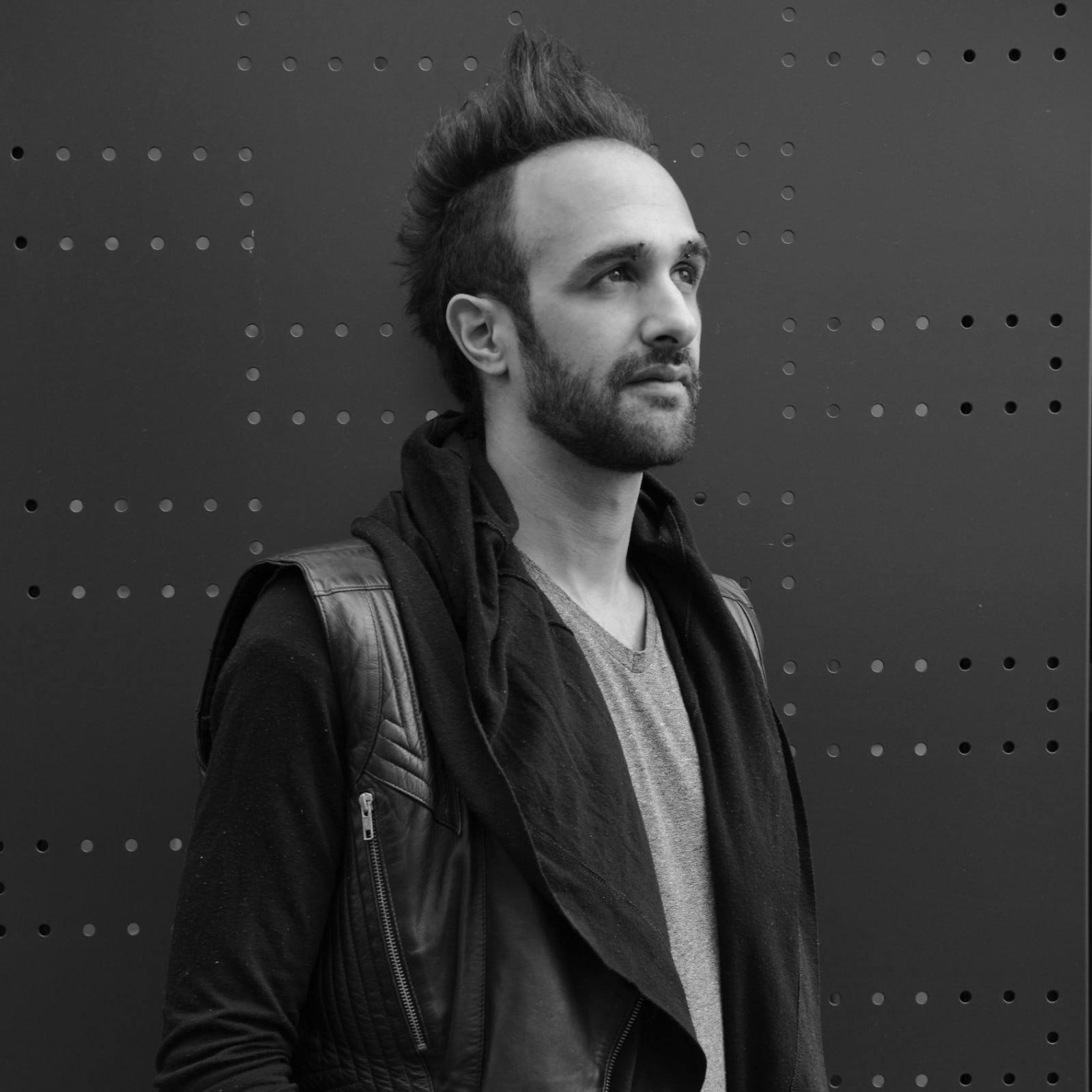
The Next Most Famous Artist, whose real name is Hafiiz Karim, is a digital artist and creative director based in Singapore. His work aims to subtly capture the beauty inherent in the fabric of everyday life, encompassing the full spectrum of human experience – from humour to emotion, and seemingly mundane memories. Specialising in motion design and animation, he has been expressing himself for several years through his series “Intimate Shadows”, a collection of particularly sensitive and mysterious works that explore the complex dialogue between the conscious self and the hidden, darker facets of the psyche. His highly personal style, characterised by watercolour tones and shades of blue-green, consistently offers a profound, serious and emotional narrative that brings to light the whispers, cries and murmurs of our deepest doubts, fears and repressed emotions.
The Next Most Famous Artist invites the viewer to embark on a transformative journey, during which they will be led to confront and acknowledge these aspects of themselves, ultimately celebrating the complex layers that define our human existence. Committed to the causes of mental health and wellbeing, The Next Most Famous Artist is convinced that art can bridge divides and open up essential dialogues.

I've been so hard on myself but I know I'm still worth loving.
That voice can get loud sometimes. The one that keeps pointing out what’s not enough, what could’ve been better, what should’ve been done differently. After a while, it starts to sound like the truth.
But it doesn’t get to decide what you deserve.
There are parts of you that still care, still show up, still try, even when it’s hard. They might not feel big or obvious, but they matter. They always have.
You don’t have to earn the right to be loved by getting everything right. You don’t lose it just because you’re struggling or still figuring things out.
You’re allowed to see yourself as someone worth holding onto, exactly as you are.
illustration
portrait
01:00
2024
More from The Next Most Famous Artist
More on digital art
Collections with the artist