Wild Flowers 2 - Vertical
Wild Flowers 2 - Vertical
- Generative art
- Nature
- Figurative
portrait
generative art
02:00
2023

Lisianthus - Horizontal
Patrick Tresset

The Sea 2
Patrick Tresset

The Sea - Horizontal
Patrick Tresset

Dictmnus Albus - Horizontal
Patrick Tresset

Pink and White Daisies
Patrick Tresset

Champagne
Patrick Tresset

Les Passants - Horizontal
Patrick Tresset

Wild Winter Flowers 1 - Vertical
Patrick Tresset
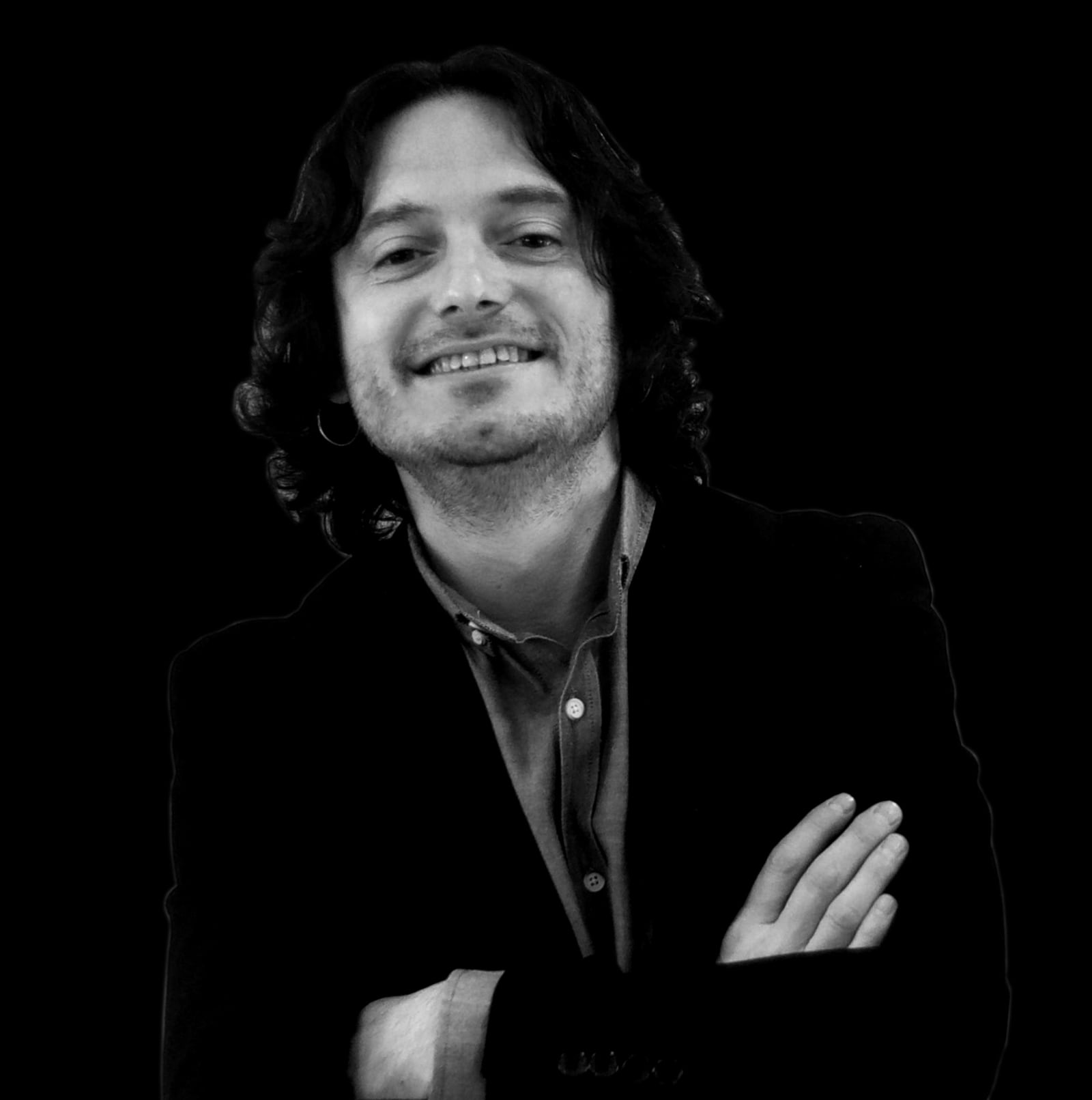
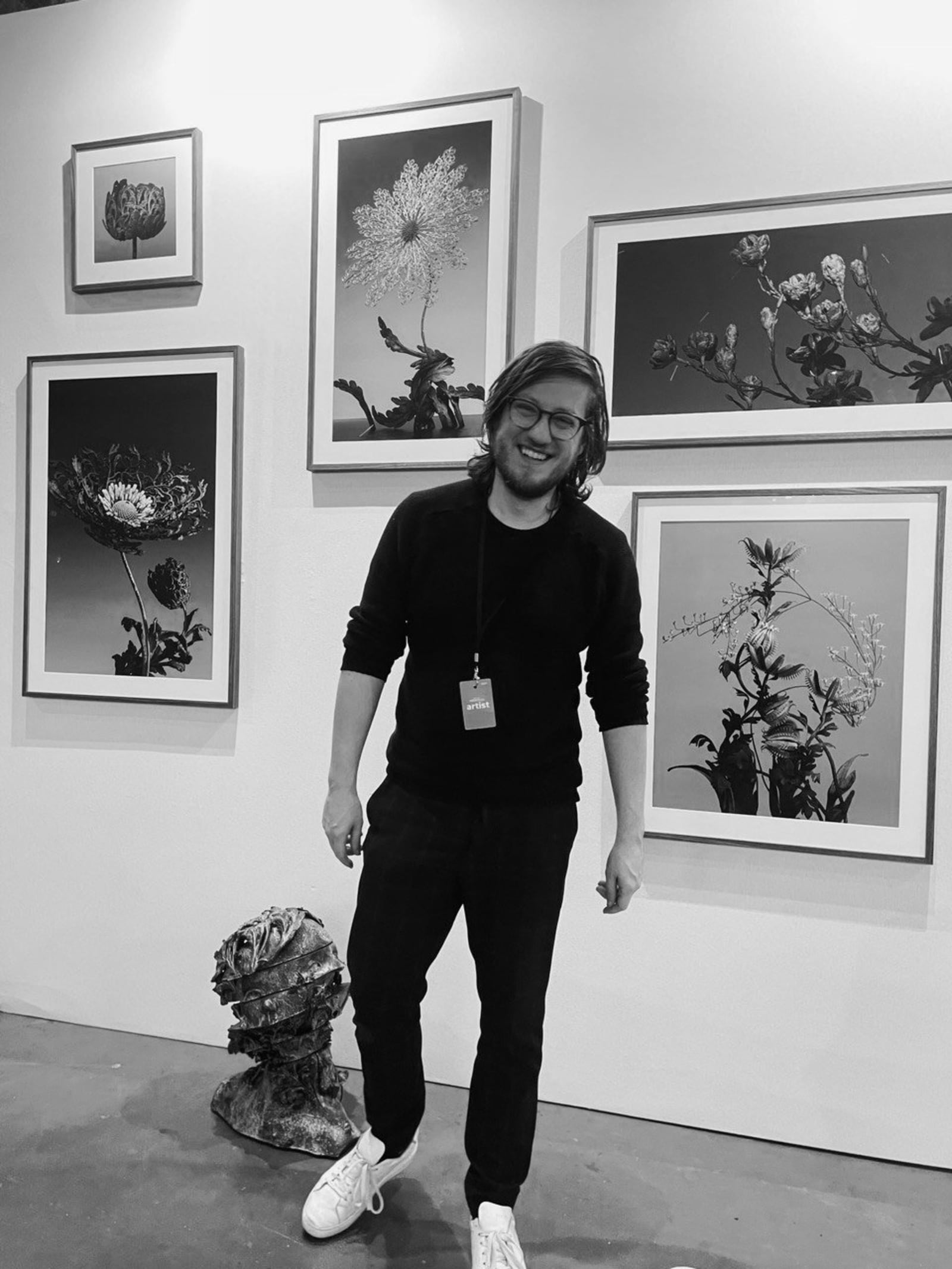
Patrick Tresset is a Brussels-based French artist known for performative installations that explore humanness through computational systems, AI, and robotics. At the centre of his practice are robots, which Tresset calls "stylized actors," programmed with artistic, expressive, and obsessive behaviours that evoke distinctly human traits. Working from research into how humans make marks, perceive artworks, and relate to machines, he crafts computational systems that produce portraitsand still lifes with a quality that is at once mechanical and strangely intimate. "My work is not at all about technology," Tresset has said. "It is about humanness." He holds a Masters and MPhil in Arts and Technology from Goldsmiths College, London.
His installations have been presented in solo and group exhibitions at the Centre Pompidou and Grand Palais in Paris, the Prada Foundation in Milan, the V&A in London, the MMCA in Seoul, Bozar in Brussels, and the Mori Art Museum in Tokyo, among others. His work has been recognised by Lumen, Ars Electronica, the Liedts-Meesen Foundation, and the Japan Media Arts Festival, and in 2017 he was nominated as a WEF Cultural Leader. A monograph, Patrick Tresset: Human Traits and the Art of Creative Machines, was published in 2016. Although Tresset has focused exclusively on his art practice for the past decade, his earlier research is referenced in over 300 academic publications.

Wild Flowers 2 - Vertical
Flowers have long been a constant presence in art history, carrying an innate simplicity: they demand nothing of the viewer, existing entirely in the present. This lack of pretense allows us to look past meaning and engage with them as a subject of pure visual inquiry. In this way, depicting flowers is an avenue for aesthetic exploration.
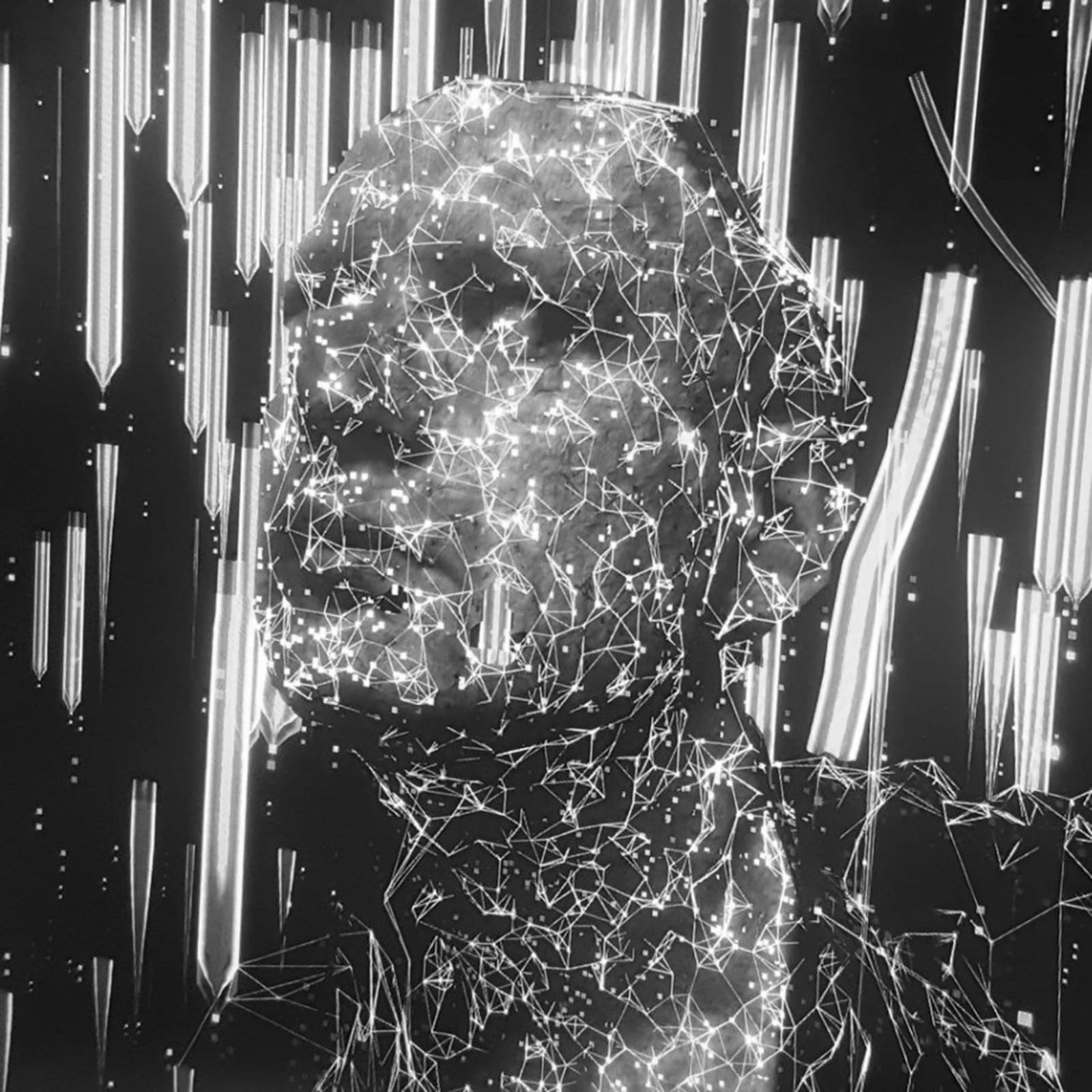
This series is produced with a guided computational system seeded with the output from a txt2img generative model with simple prompts that all included "depicting the birth of venus". The underlying algorithms were developed by Tresset for his autonomous drawing robotic systems. Here instead of the system working by itself, it is an instrument with little freedom but played by the artist to produce multilayered animations.
generative art
portrait
02:00
2023
More from Patrick Tresset
More on digital art
Collections with the artist