Never the Same in Teal - Horizontal
Never the Same in Teal - Horizontal
- Generative art
- Nature
landscape
generative art
01:00
2025

Never the Same in Gold - Horizontal
Nat Sarkissian

Eucalyptus and Sagebrush - Vertical
Nat Sarkissian

Old Grove - Horizontal
Nat Sarkissian

Sunset from the Bluffs - Vertical
Nat Sarkissian

Never the Same in Green - Horizontal
Nat Sarkissian

Bardez - Vertical
Nat Sarkissian

Never the Same in Blue - Horizontal
Nat Sarkissian

Sunset from the Bluffs - Horizontal
Nat Sarkissian
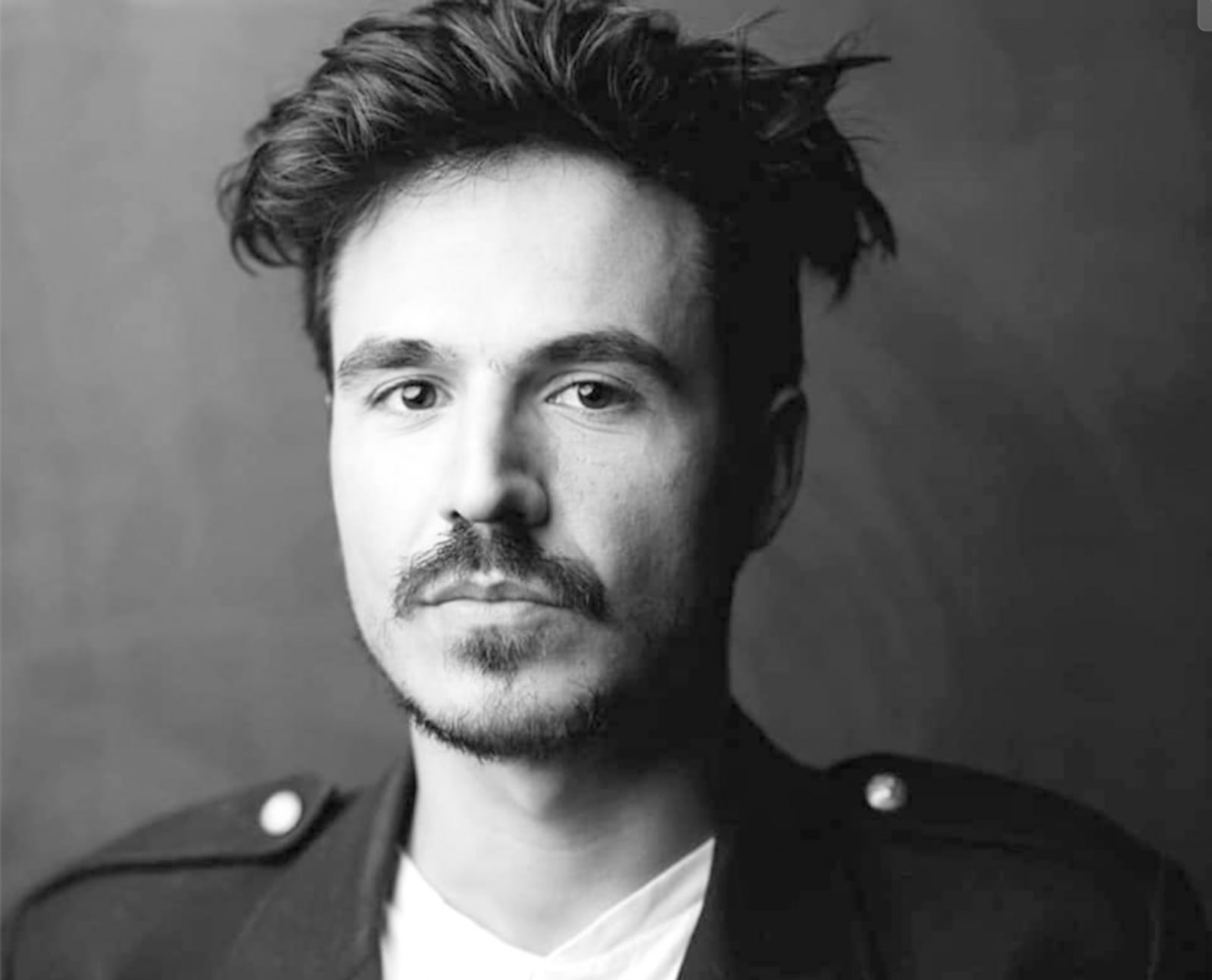
Nat Sarkissian is a San Diego-based generative artist working with code, digital images, video, and print, exploring landscape, light, memory, and natural systems through custom algorithmic processes. He got his start in programming at twelve through game design, a path that led him into graphics and eventually the early Processing-era generative art scene. His California landscape work draws directly from time spent outdoors, sometimes recreating a specific hill or view, sometimes absorbed more subconsciously, alongside Armenian cultural memory that runs through the work as a second undercurrent. As he's described it, each iteration of his landscape algorithms feels like a glimpse out of a car window on a drive up the coast, a pause on a cool morning hike, or a memory of tearing through sharp underbrush with good company. Rather than aiming for precise representation, he breaks a subject down into simpler geometric forms and leans into what the medium itself brings to the image. For Sarkissian, the process of generation is as much a part of the artwork as the final result: many of his pieces are built to be watched as they render, offering viewers a glimpse into how the work was made rather than presenting them with something static.
Sarkissian transitioned to working on his art full-time in early 2022, after years spent as a software engineer. His projects have been commissioned and presented by organizations including Bright Moments, where he held one of his first solo showings in Venice Beach, as well as Davis Editions, reGen, Art Blocks, Bonhams, Christie's, and Samsung Art.

Never the Same in Teal - Horizontal
Every spring, the flowers bloom, and they sway in the breeze. Every spring, we go and see those flowers swaying in the breeze. And when spring is gone, we think about those flowers swaying in the breeze. And when spring returns, the flowers will bloom and sway again, in the breeze. Always the same, and never the same.
This work simulates a grassy meadow with wildflowers. Each flower has various properties, like species, age, etc. and some of these are functions of time. Every time you run this code, the output will be slightly different.
This project is part of the digital section of Cure³ at Bonhams, curated by Alex Estorick and Foteini Valeonti of reGEN.
generative art
landscape
01:00
2025
More from Nat Sarkissian
More on digital art
Collections with the artist