Myth #11: I always unfold into something new - Horizontal
Myth #11: I always unfold into something new - Horizontal
- AI
- Nature
- Meditative
landscape
ai
01:00
2025

Myth #11: I always unfold into something new - Vertical
Slitrobo

Myth #21: The ocean dreams in fractals - Horizontal
Slitrobo

Myth #28: I'm folding inward to discover myself - Vertical
Slitrobo

Myth #18: I seek no destination - Horizontal
Slitrobo

Myth #7: Nothing physical is permanent - Horizontal
Slitrobo

Myth #26: Memory of Light - Horizontal
Slitrobo

Myth #21: The ocean dreams in fractals - Vertical
Slitrobo

Mythology Reel - Vertical
Slitrobo
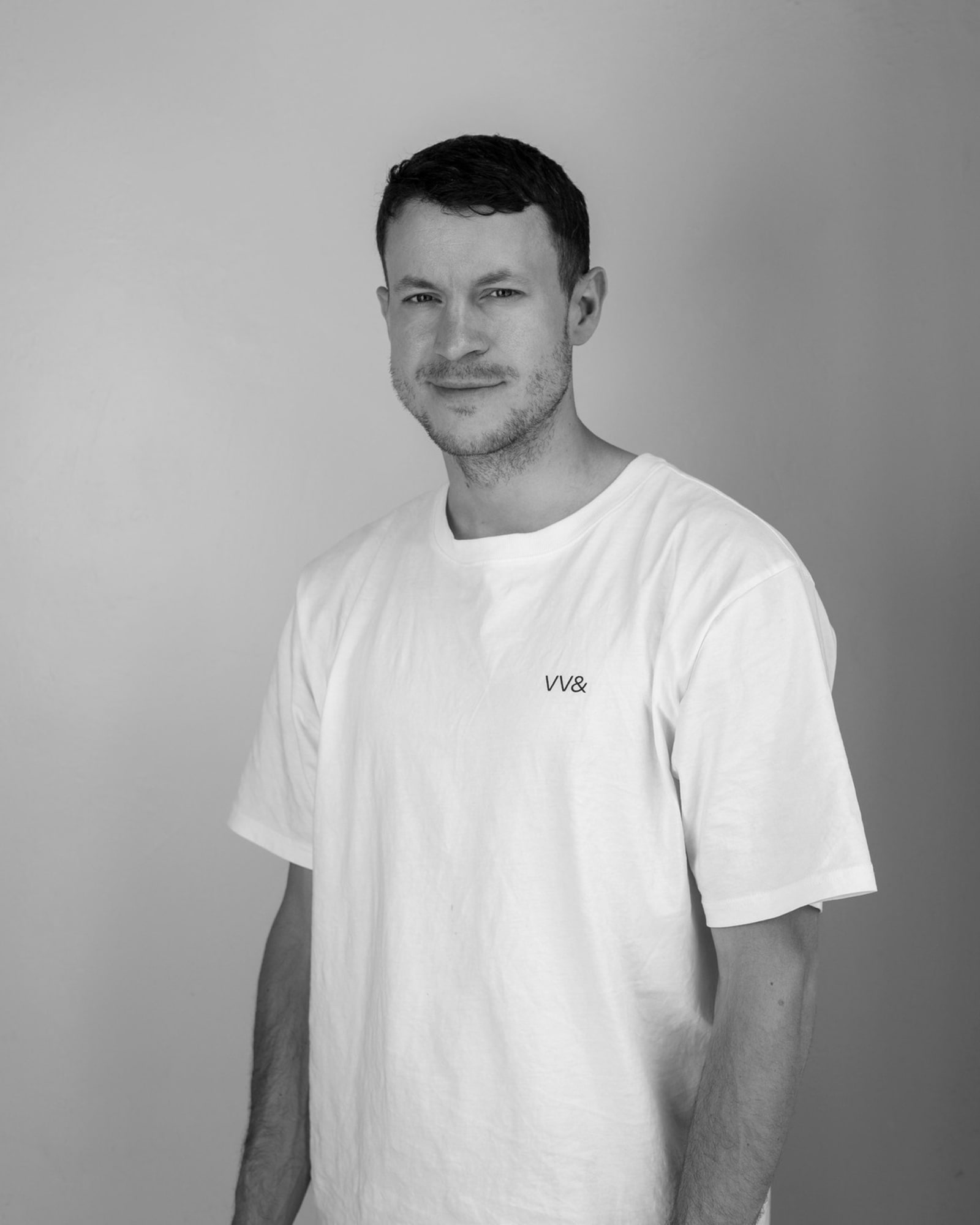
Slitrobo (Vova Shlygin, b. 1991, Russia) is a contemporary artist based in LA, US, working at the intersection of technology, and philosophy. His practice explores the relationship between consciousness and matter, viewing life as a recursive expression of dynamic stability within chaos. Using software systems and audiovisual installations, he creates digital environments that simulate living matter and encourage embodied engagement. He is drawn to themes of duality, emergence, and will, which he expresses through systems that mirror natural behavior: fractals, symmetries, and feedback loops. His works emerge through a dialogue between instinct and code, using procedural algorithms, generative AI, modular synthesis, analog photography, and biometric sensors. Often he begins with real-world data, such as brainwaves, breathing rhythms, or photographs, and embeds them into computational systems. Over time, he shifted from raw measurement to embodied synchrony, as in Mythology (2024), dissolving the individual into shared rhythms of existence. In a world fractured by informational noise and algorithmic distraction, he wants to create works that slow perception, reawaken inner rhythms, and ritualize awareness. For him, digital tools are not an escape from the body but a medium for embodied contemplation, empathy, and collective presence in the here and now.
Slitrobo’s projects have been presented at Valeries Factory (Buenos Aires, 2025) and featured in several pavilions of The Wrong Biennale (2025). His practice also includes collaborations with institutions such as Garage Museum, the Jewish Museum, and Strelka Institute, as well as global brands including Samsung, Snap Inc., eBay and BP.
Myth #11: I always unfold into something new - Horizontal
Stop for a moment and take few slow breaths
Designed after breathwork instruction videos, these audiovisual pieces invite viewers to synchronize their breathing with engaging visuals.
Mythology explores symmetry and recurring patterns across all scales of life: from proteins and cells to fungi, trees, insects, and flowers, ultimately aiming to connect individual perception with larger cycles of life.
This series is an attempt to reclaim our attention in a world where visual content often distracts to monetize data.
ai
landscape
01:00
2025