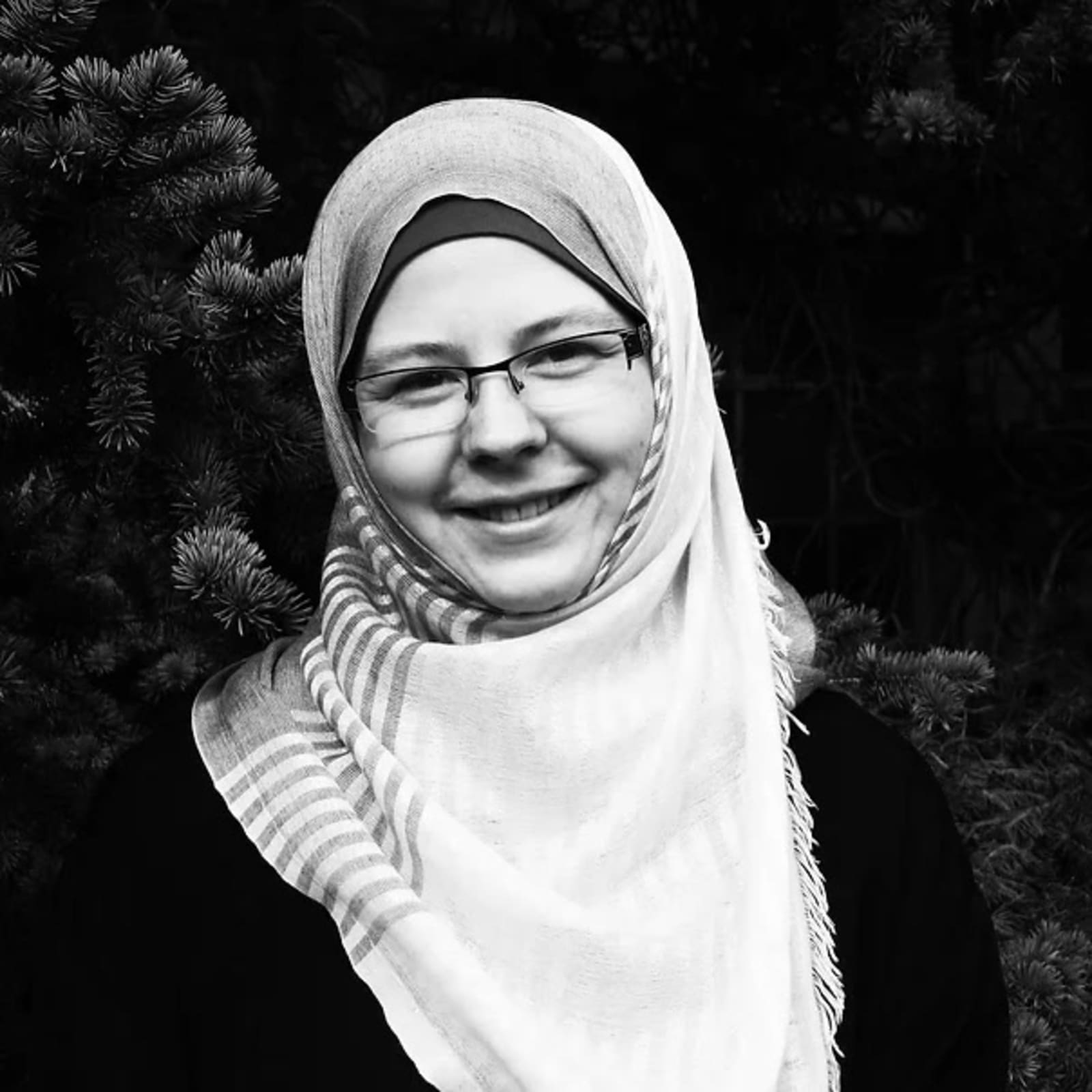
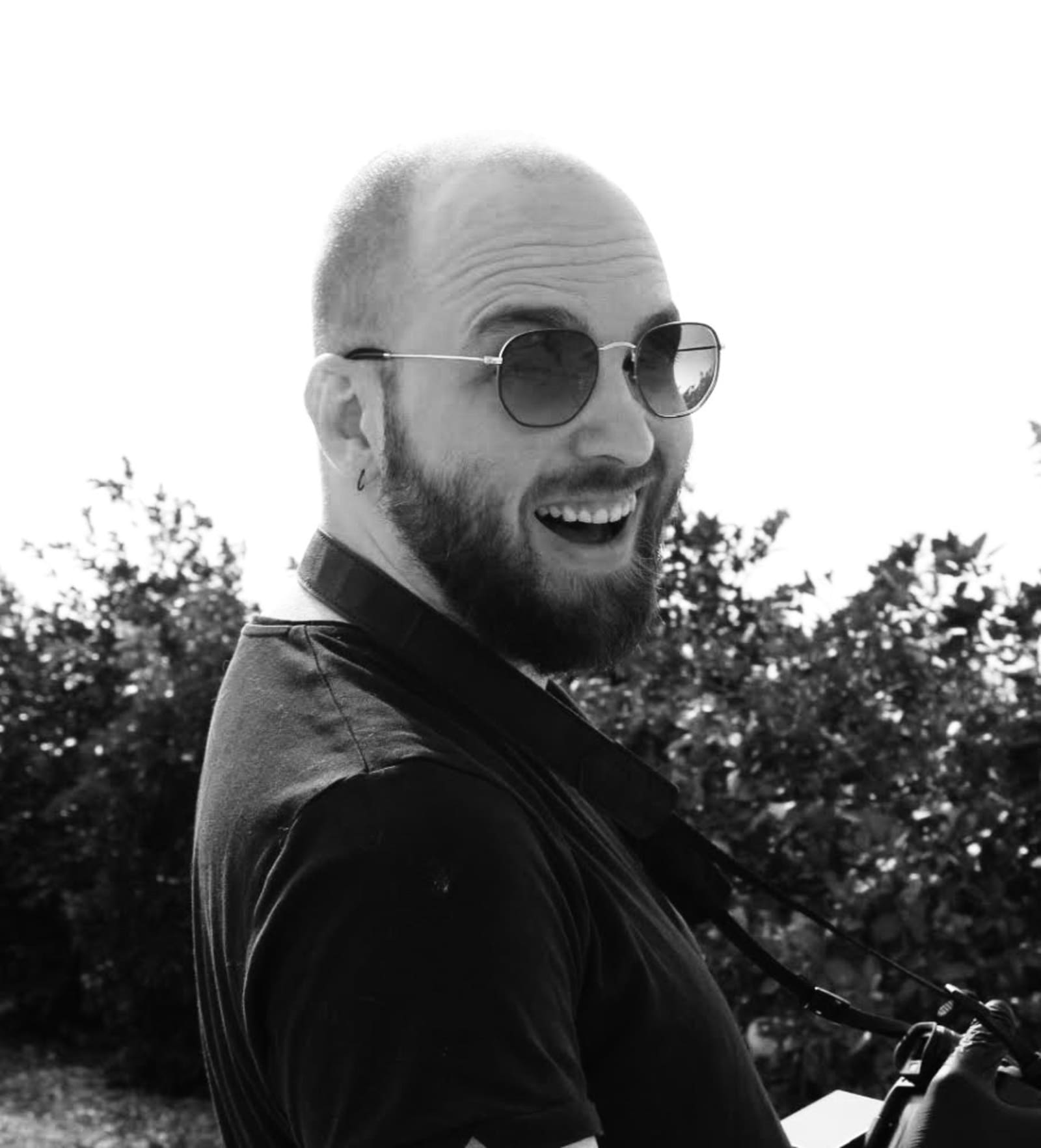
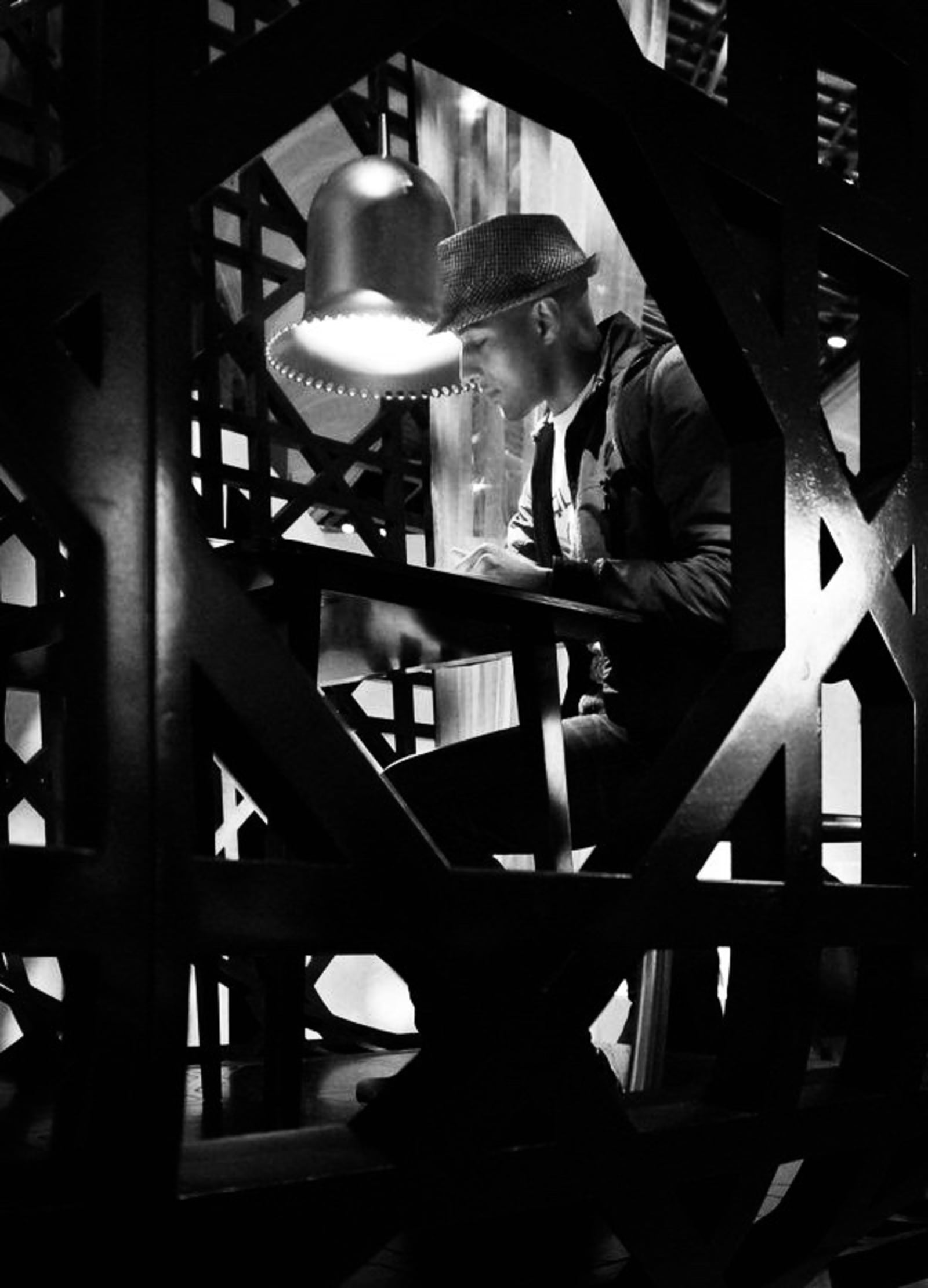
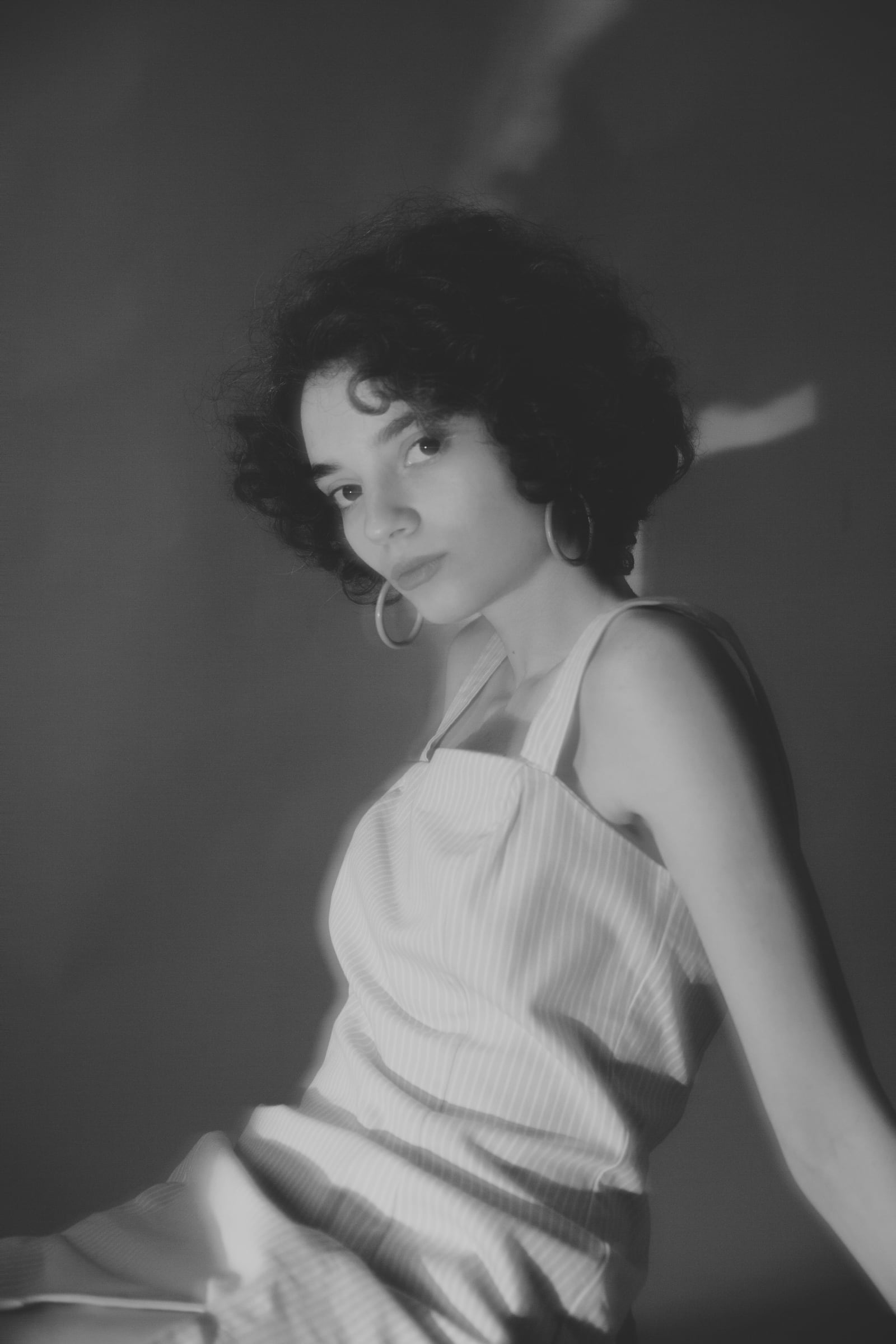
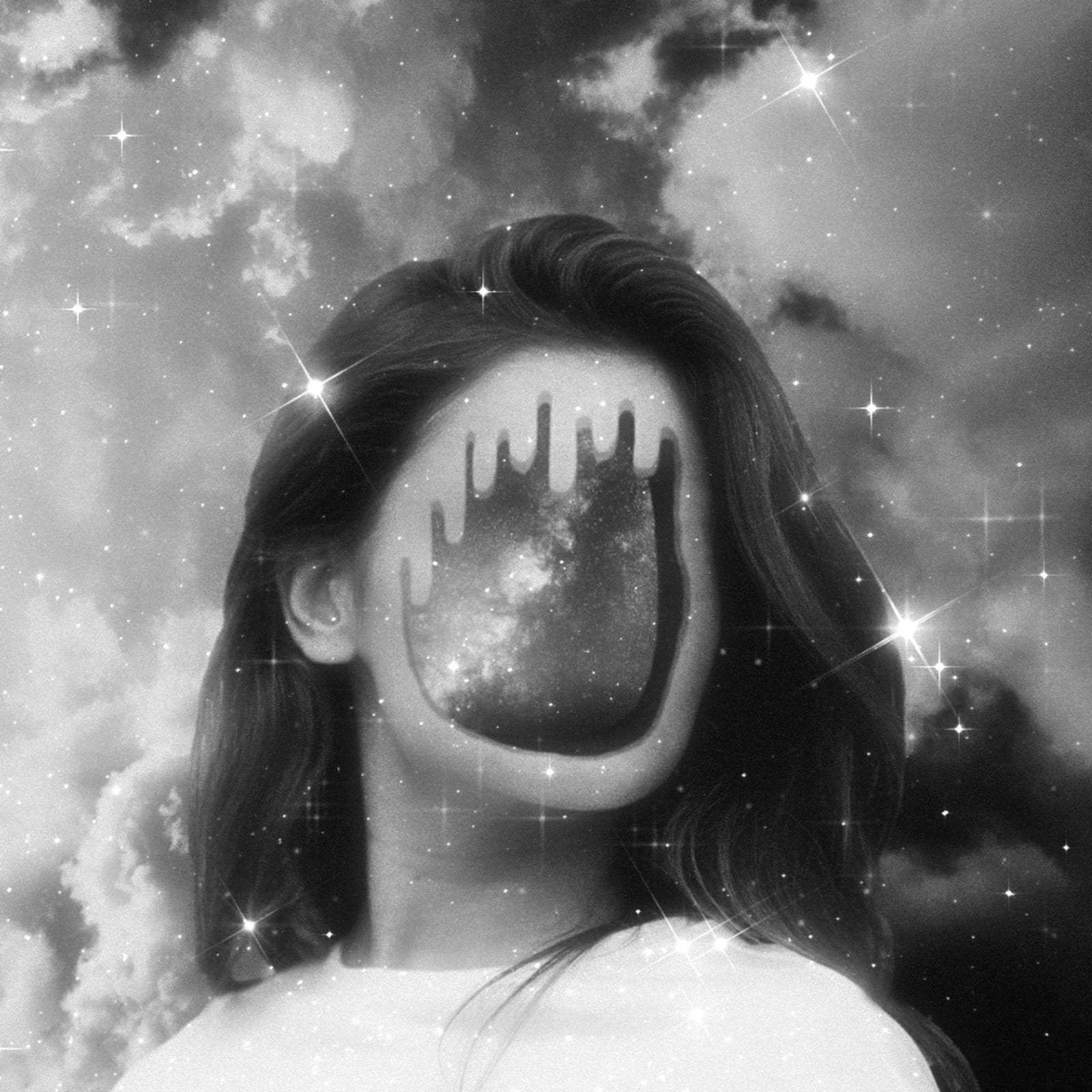
Ivana Zankevich has specialized in digital collage and motion animation since 2020. Aiming to capture the beauty and diversity of the world through digital art, Ivana shapes her own vision by synthesizing social aspects of reality. She weaves together photography, archival images of past eras, and the cultures, traditions and stories of different countries, as in her work on the United Arab Emirates, where she lived for several years, researching archives and speaking with locals. She describes each collage as "a canvas woven from my personal experiences, the things I've seen and heard." From this material come in-between spaces where time and place lose their logic: from airport layovers to childhood road trips, from daydreams to landscapes that could almost exist.

A graduate of the Faculty of Journalism at Lomonosov Moscow State University, Ivana has presented her work in solo exhibitions in Moscow and Dubai. She has also created projects for global brands including L'Oréal, METRO and Esquire.

IMG_8047 2.JPG

Latteria

Latteria_Ivana_Zankevich_Collage.mp4

These works imagine landscapes that feel almost possible, but never quite belong to the real world. Fragments of architecture, nature, distant horizons, and unfamiliar surroundings come together to form places with their own internal logic.

The landscapes are built from collected visual fragments and transformed into new environments. Rather than documenting a place, the artist uses photography as raw material for inventing one.

There is often no clear sense of where these landscapes are or what exists beyond the frame. They might suggest a resort, a forgotten city, a distant planet, or simply a place encountered in a dream. The artist enjoys keeping that ambiguity open and allowing the viewer to construct their own story around the image.

technique

collage

format

portrait

duration

01:19

year

2026

Transport

WANT TO BRING ART INTO YOUR SPACE?

More from Ivana Zankevich

More on digital art

Generative art
Generative art refers to a way of creating artworks using an autonomous system. In digital art, these are usually generated from code and algorithms created by the artist, often with certain predefined parameters or systems. Although these parameters guide the final outcome of the work, generative art is generally a surprising way to create artworks, as the results are often unexpected and the number of possible outcomes can be infinite.
AI
AI art is a branch of generative art that uses artificial intelligence. Unlike other generative artworks, AI artworks use specific complex algorithms and models derived from machine learning. The most common methods for creating AI art today are GANs (generative adversarial networks) or proprietary prompting platforms such as ChatGPT, Sora, Midjourney, or Dall-e.
3D
3D art uses 3D software such as Blender, Cinema4D, Houdini, or video game software such as Unity to create works of art. In 3D works, artists can either arrange assets (the 'objects' in a 3D artwork or world) that they have created themselves or purchased from other creators to create elaborate environments and scenes (an approach to 3D art called 'set dressing'), or specialize in sculpting, which involves creating their own objects and assets.
Photogrammetry
Photogrammetry is a specialized 3D technique that allows 3D objects to be created from numerous photographs taken of an object or scene from multiple angles. These photos are then compiled to determine the specific positioning, shape, and dimensions of the object in space, and then converted into a 3D model. Initially developed for engineering and urban planning, photogrammetry has become a way for artists to produce extremely accurate 3D models from real-life images.
Collage
An extension of the traditional, plastic approach to collage, digital collage involves searching for and cutting out multiple images, extracting them from their original context, and recomposing them in a new arrangement to create a work of art. Artists can use their own photographs or find images on the internet.
Illustration
Digital illustrations are created using software such as Adobe Illustrator, Photoshop, or Procreate. As with drawing on paper, the artist uses a stylus to sketch a figure or object, usually on a tablet, to construct a scene or artistic universe. Unlike traditional drawing methods, digital illustration is much more forgiving, as mistakes can be easily corrected and drawn elements and objects can be easily moved around within a scene.
Video
Video artworks primarily use a recording camera, but may sometimes include additional post-processing or editing to distort, modify or add additional elements to the image. Some artists use state-of-the-art recording equipment to create macro zoom-ins or time lapses, privileging fidelity to the subject matter. Others use additional softwares to significantly modify or warp the video, creating an alternative perspective on the world that surrounds us.

Collections with the artist

Where did you scan from

RATE YOUR EXPERIENCE