Bass Movement - Horizontal
Bass Movement - Horizontal
- 3D
- Generative art
- Abstract
landscape
3d
00:59
2026
Bass Movement - Horizontal
Marcos Micozzi x Hef Prentice

All Movements
Marcos Micozzi x Hef Prentice

Synth Movement - Horizontal
Marcos Micozzi x Hef Prentice

Piano Movement - Horizontal
Marcos Micozzi x Hef Prentice

Piano Movement - Vertical
Marcos Micozzi x Hef Prentice

Bass Movement - Vertical
Marcos Micozzi x Hef Prentice

Guitar Movement - Horizontal
Marcos Micozzi x Hef Prentice

Guitar Movement - Vertical
Marcos Micozzi x Hef Prentice
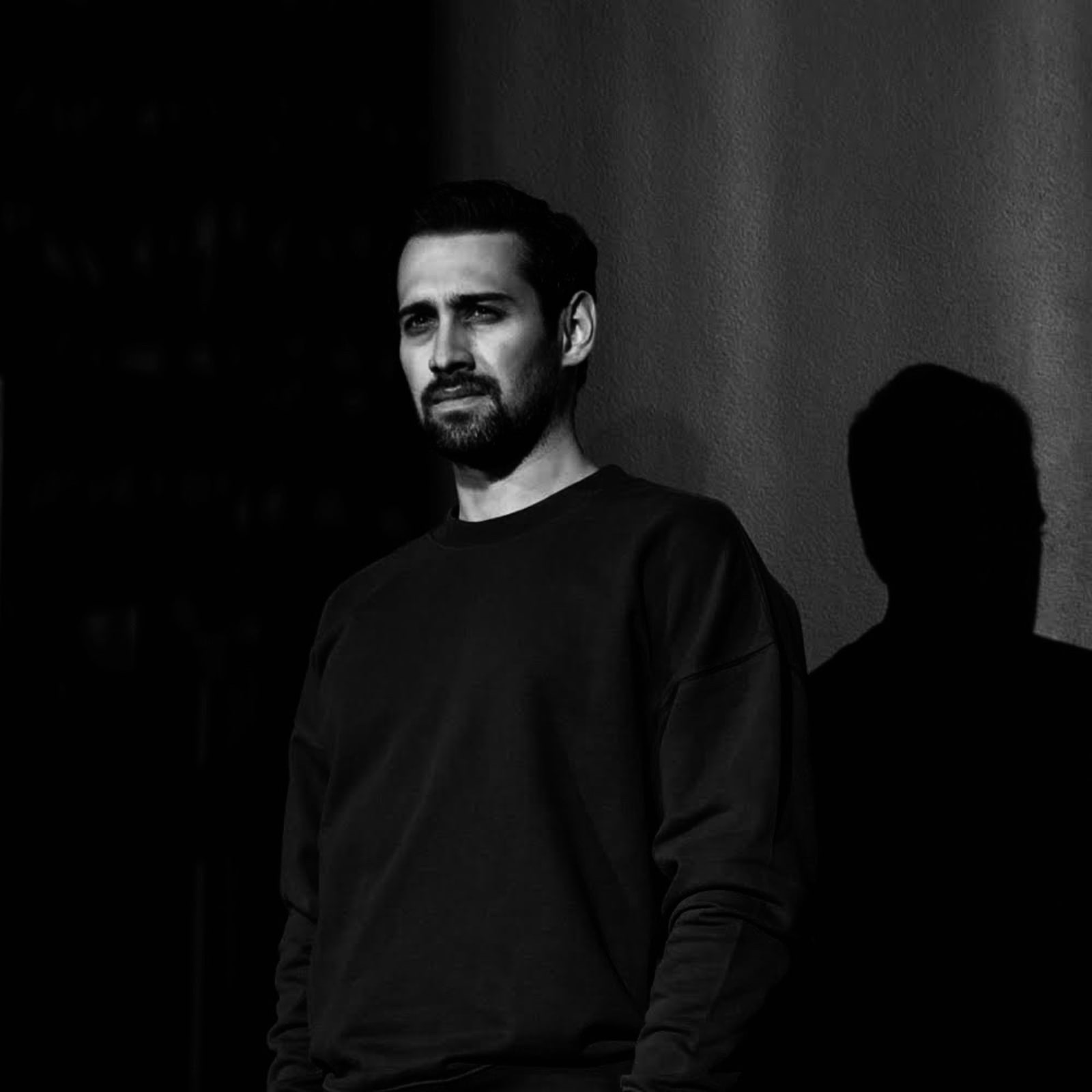
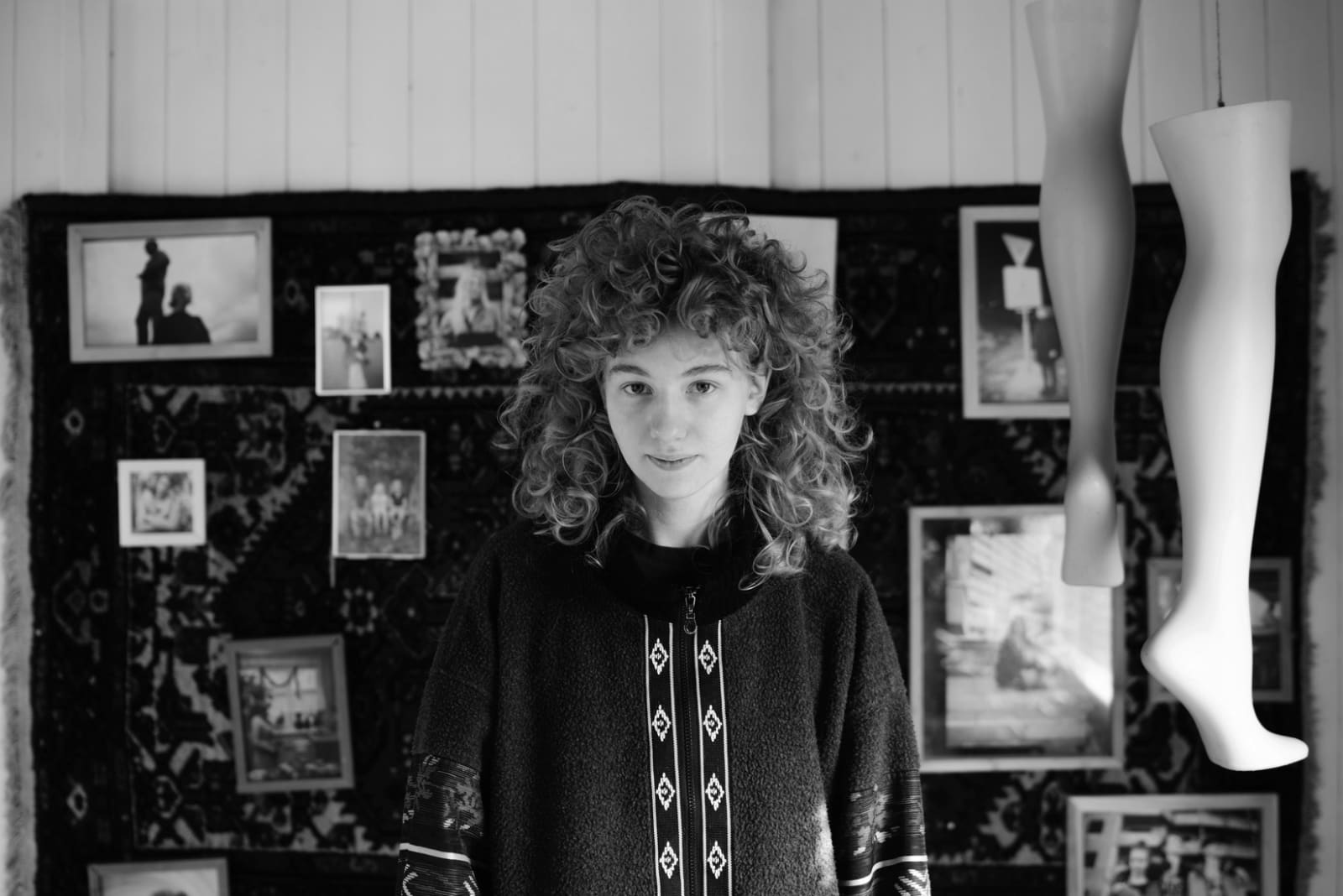
Marcos Micozzi and Hef Prentice are Argentine artists whose collaborative practice brings together sound, sculpture, digital design, and immersive technologies to explore new ways of perceiving memory, space, and time. Together, they transform ephemeral phenomena into material and visual experiences. In their works, sound becomes form and digital information becomes sculptural matter, opening new possibilities for sensory experience and reflection. Their collaborative practice proposes a contemporary dialogue between body, matter, code, and perception.
Marcos Micozzi is an artist, researcher, and audio engineer whose work investigates the relationship between sound, space, and temporality. Combining architecture and audio engineering, he transforms live audio performances into sculptural artifacts, expanding listening into a spatial, embodied experience. Recognized internationally, he has presented his work at the Berlin Fashion Film Festival and Brisbane Street Art Festival, received sponsorship from Sennheiser / Dear Reality, and won Best Audio Project at the SAE International Awards (2022).
Hef Prentice is a Madrid-based artist working across sculpture, photography, animation, and digital design, exploring the boundaries between the organic and the synthetic through hybrid visual languages. Her aesthetic interweaves the mythical with the technological, creating a visual language in which figures transcend both biology and the machine. Her work has been featured by Gallimard and Vogue Italia, presented at MUTEK Argentina and ZAZ Corner New York, and was selected by MediaLab Buenos Aires for Gen_0, a hybrid robotic installation combining sculpture, sensors, and digitally generated imagery in 2025.

Bass Movement - Horizontal
XYZ Sound Sculptures translates the invisible architecture of sound into three-dimensional form.
Using spatial audio software to move and mix sound in three-dimensional virtual space during live performances, Marcos extracts the movement of sound as data coordinates, then Hef sculpts these coordinates into organic forms using 3D modeling tools.
Rooted in her ongoing investigation of organic forms and geometric patterns found in nature, Hef sculpts each sonic trajectory from the inside out, coating spatial paths with forms where matter appears to move through simultaneous states of growth, erosion and transformation.
3d
landscape
00:59
2026
More from Marcos Micozzi x Hef Prentice
More on digital art
Collections with the artist