Louvre, Quiet Bloom
Louvre, Quiet Bloom
- Video
- AI
- Nature
- Architecture
portrait
video
01:00
2026


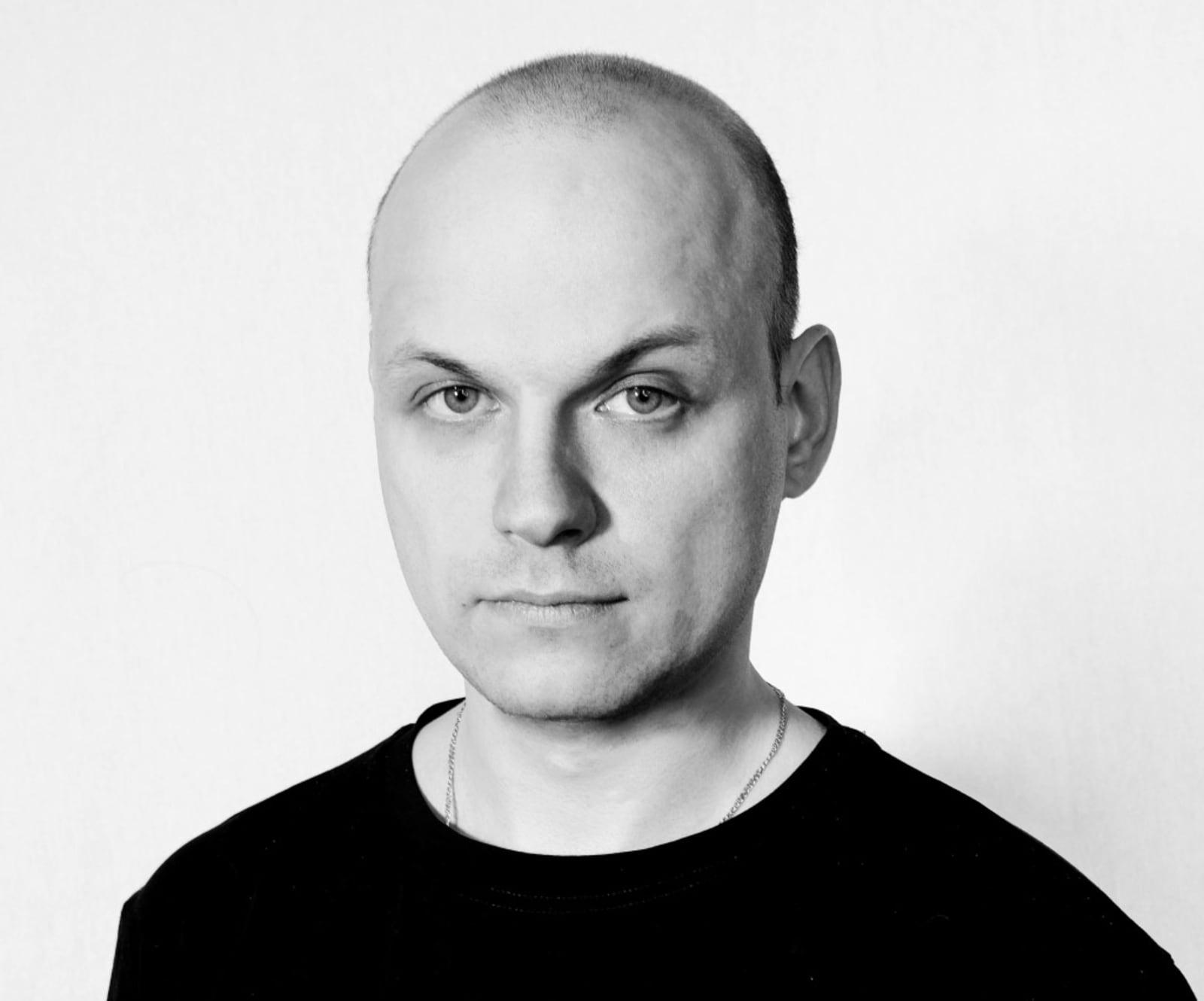
Timo Helgert (Vacades) is a German artist and creative director based in Seoul, whose work lies at the intersection of art, technology, and emotion. His background, marked by a childhood spent in harmony with nature, deeply influences his practice, in which he explores the tension between the organic and the urban, and between serenity and technological innovation. Through his studio, Vacades, he creates immersive digital experiences that combine 3D design, CGI, artificial intelligence, and mixed reality to transform everyday spaces into poetic reflections, evoking nostalgia and wonder. His approach, both cinematic and contemplative, is rooted in the belief that digital art can be both visionary and meditative, offering a visual and emotional escape. Through Vacades, he continues his quest to push the boundaries of digital storytelling, fusing nature, imagination, and technology to create harmonious worlds.
His work has captivated luxury brands and cultural institutions around the world, with which he collaborates to create digital campaigns, installations, and immersive experiences. His partners include prestigious names such as Burberry, Cartier, Hyundai, LVMH, Maserati, Mercedes-Benz, and Tiffany & Co. Recognition of his talent extends far beyond the commercial sphere: a winner of the Korea Design Award (1st prize), Timo Helgert has also been featured by Forbes and participated in a collaborative exhibition at Shanghai International Airport. His creations have been exhibited by the Korean government and showcased by SeoulMySoul. They have also been praised by the international press, with features in publications as diverse as Elle, Rolling Stone, Marie Claire, and the Korean Design Annual.

Louvre, Quiet Bloom
The Louvre Pyramid stands clear and precise, but everything around it begins to soften. The rigid geometry of Paris meets something slower, more patient. Lavender fields grow outward in perfect rows at first, then gradually feel less controlled, like they have been there longer than the structure itself.
The glass reflects the sky, but also the color around it, pulling the purple tones into the architecture. What was once sharp and defined starts to blend into the landscape. The pyramid does not disappear, it adapts, becoming part of the field rather than separate from it.
The path leading toward it feels calm, almost ceremonial. Not like entering a museum, more like stepping into something quiet and endless. The scent, the color, the repetition of the flowers shifts the experience from observation to immersion.
This moment imagines the Louvre not as a boundary between art and nature, but as a point where both meet. A version of Paris where even its most modern symbol feels grounded in something organic, slow, and continuous.
video
portrait
01:00
2026
More from Vacades
More on digital art
Collections with the artist