Faraway Wind 002
Faraway Wind 002
- Video
- Nature
- Meditative
landscape
video
00:57
n/a
Faraway Wind 002
Billy Ryan

Symphonies in Wattle
Billy Ryan

AMA 0001 Ocean Dance
Billy Ryan

AMA 0002 Bush Reverie - Horizontal
Billy Ryan

Faraway Wind 003
Billy Ryan

AMA 0004 Reverie Around the Rocks
Billy Ryan

Symphonies in Wisteria - Horizontal
Billy Ryan

AMA 0003 Ocean Reverie - Horizontal
Billy Ryan
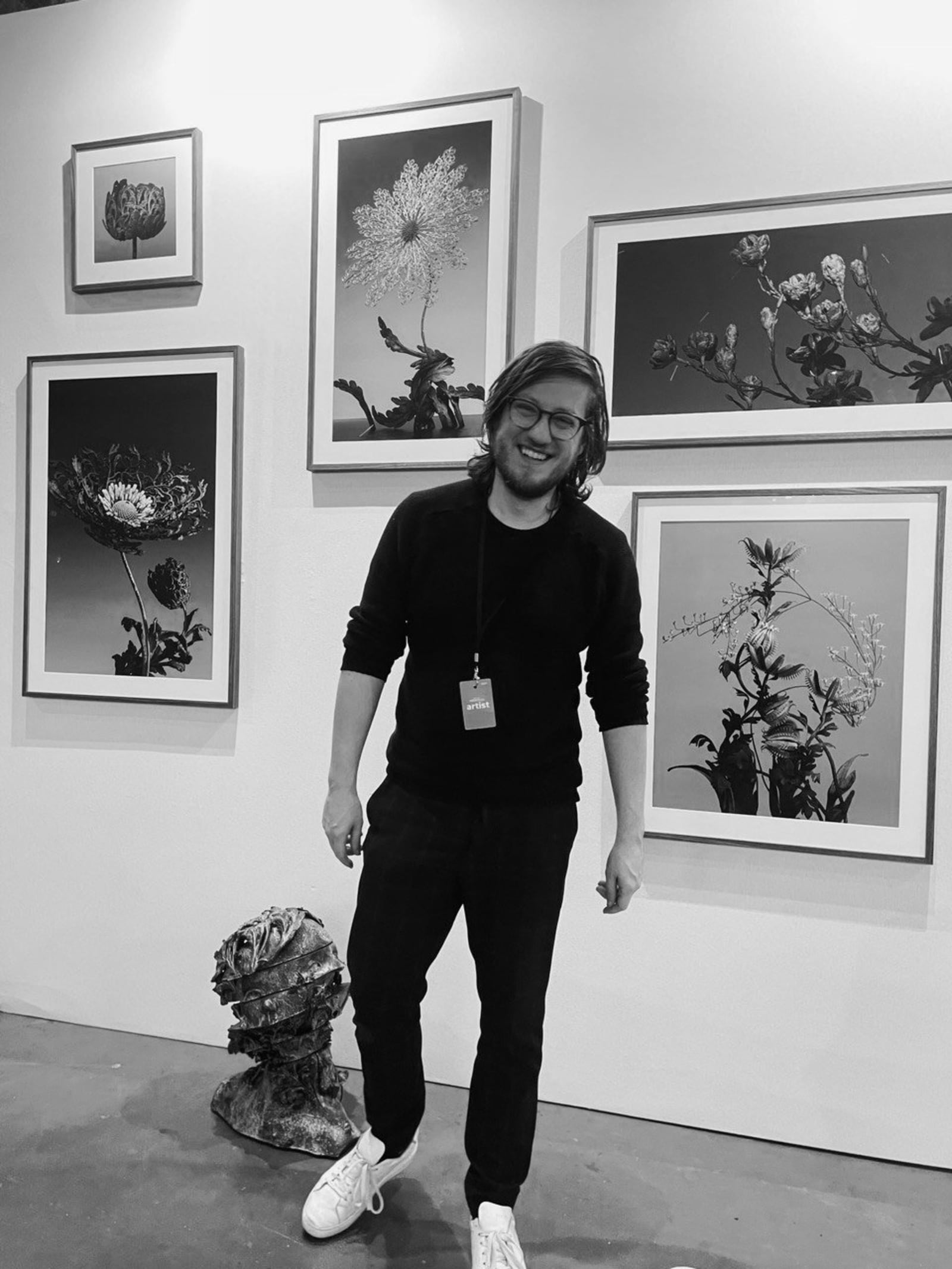
Billy Ryan is a video and photographic artist based in Sydney, Australia. His practice is deeply rooted in a fascination with nature and its ability to evoke wonder, imagination, and echo the strange logic of dreams. Working across multiple disciplines, he explores ‘the unseen’: the ethereal realm that surrounds us, but often escapes perception. Ryan personifies elements of nature by blending them with threads of speculative fiction, childhood memory, and daydream. Through this poetic lens, he creates imaginative depictions of the environment that resonate with the human experience, generating a vivid interplay between the organic and the constructed. To visualise these hidden dimensions, Ryan employs the use of optical technology - a full-spectrum camera - capable of capturing light beyond the visible range (Infrared and ultraviolet). This expanded way of seeing renders landscapes in hypnotic and uncanny ways, offering a heightened perspective that feels both intensely hyperreal and strangely familiar.
Ryan is also co-founder and a lead artist at creative studio Babekühl, a creative studio transforming ideas into expressive visual worlds through motion and immersive experiences. From creating music videos, to taking part in the Pixels Show in Times Square, and being exhibited across galeries in Australia, Billy Ryan's unique artistic vision appeals to audiences partial to finding beauty in natural phenomena.

Faraway Wind 002
Faraway Gums is a tribute to the awe-inspiring beauty and remarkable resilience of the Sydney Red Gum, also known as Kajimbourra, and Angophora Costata.
This gum tree possess a regenerative ability that defies belief, and their twisted silhouettes bear witness to the turbulence of nature. The scars of lightning, fire, and insect carvings have become haunting ghost limbs and misshapen bumps that are rugged yet graceful – each telling a unique story that has unfolded over centuries.
Named in reference to British author Enid Blyton’s well-known collection of children’s books, ‘The Enchanted Wood’, this series aims to capture the wonder and mystery of these majestic trees, inviting the viewer to experience them in a whole new youthful way. Part fantasy, part study on nature – a documentation of natural history, a fresh perspective on the earth that is magical, mesmerising and alluring.
This is an ongoing multimedia series since 2019. It consists of a Photographic series, along with video portraiture.
—
Exploring beyond the familiar and searching for new, hidden perspectives and strange beauty, these majestic trees were captured using a special full spectrum camera (infrared) that sees wavelengths invisible to the human eye. The magenta/ red hue is the reflection of infra-red light combined with a portion of visible light in the 550-1000 nanometer range.
Angophora Costata is a tree species that is native to the east coast of Australia, specifically the sandy soils and rocky ridgelines that run alongside the coastal regions and adjacent waterways of New South Wales. This species can be found from the northern parts of Sydney to the Central Coast, thriving particularly well on Hawkesbury sandstone, where it forms pure stands or close-knit groups.
In the wild, damaged limbs of trees are isolated by an internal tourniquet. Over time, these lifeless branches are severed by age, causing the trunk to take on a gnarled silhouette.
A period of shedding occurs in spring and early summer. Bark is seen cascading down on a windy day, large grey flakes drop to the bush below, revealing a smooth pink and red trunk.
In addition to their remarkable ability to shed damaged limbs, these trees possess an internal defense mechanism against attacking insects and wood-boring beetles. They produce a sap-like substance called Kino that oozes out of the tree, covering and trapping any intruders that dare to breach its bark.
video
landscape
00:57
n/a
More from Billy Ryan
More on digital art
Collections with the artist