Xanthopsia 104: Tracking Light in Movement
Xanthopsia 104: Tracking Light in Movement
- Collage
- Pop
- Dynamic
portrait
collage
00:59
2025

Hypertexte Sémantique: Xanthopsia 192
Treeskulltown

Fenêtre de l'âme: Xanthopsia 204
Treeskulltown

Peaceful Reveries: Xanthopsia 170
Treeskulltown

The Meaning: Xanthopsia 165
Treeskulltown

Le Tramage : Xanthopsia 161
Treeskulltown

The City With Organic Mapping: Xanthopsia 212
Treeskulltown

Subtitles: Xanthopsia 148
Treeskulltown

LIRE
Treeskulltown
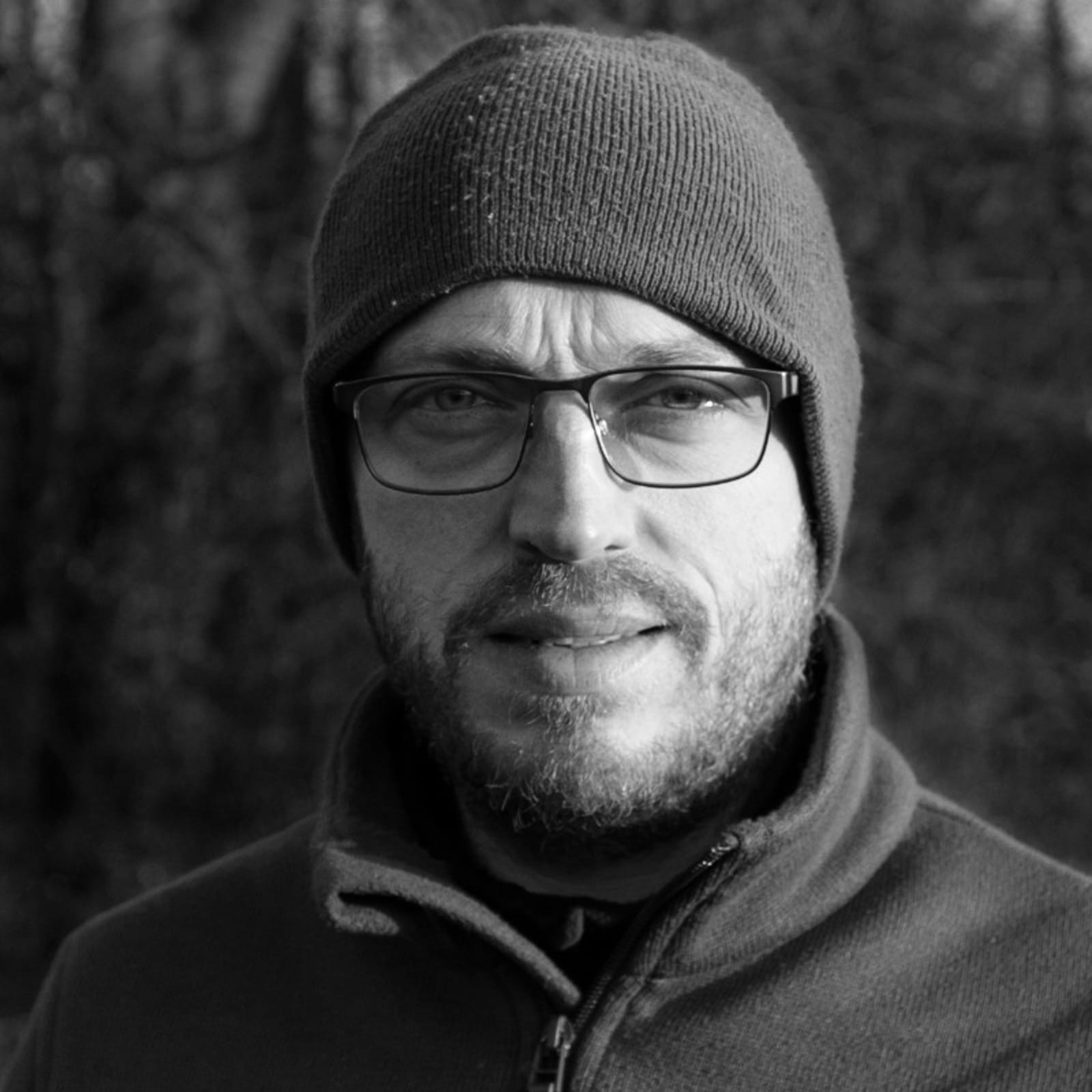
Treeskulltown is the conceptual avatar of a French multidisciplinary artist. For the last 4 years, he has been working in the field of digital art. Having grown up in the 80s, the emergence and development of computer technologies and techniques resonated with him and fuelled his curiosity. With 20 years of experimentation and hybridisation between physical and digital art under his belt, his work today is as much a personal quest as an artistic one. When he became a father, a need for simplicity and freedom, combined with the constraints of mobility, led him to return to the source of the desire to create and the pleasure of doing so, using organic materials (earth, paper, paint, cardboard, wood, etc.). It's a way of rediscovering meaning by naturally reconnecting with feelings and emotions. His aim is to develop a temporal parallel, a conversation, with the masters of classical art, to create a sub-reality to art history using mixed media animation techniques, thus creating an analogue palimpsest in digital strata.
Very involved in the crypto-artist community, his works are collected in Ethereum on FOUNDATION, in Tezos on OBJKT and in Bitcoin on GAMMA. Since 2022, his work has been exhibited and presented internationally at major events such as Art Crush Gallery, MOWNA, NFT NYC, NFT Japan, DAM Zine, NFC Lisbon, NFT Factory Paris, R HAUS Art Basel Miami, QUANTA Gallery London, IHAM NFT Gallery Paris. He was also selected in 2024 in The Hug 100 artists to watch and in the N3W Society Bookzine with the web3 agency: BRAWHAUS. His continual quest to reinvent himself and experiment provokes an emotional interaction with the viewer while guiding them with a subtle and conceptualised narrative.

Xanthopsia 104: Tracking Light in Movement
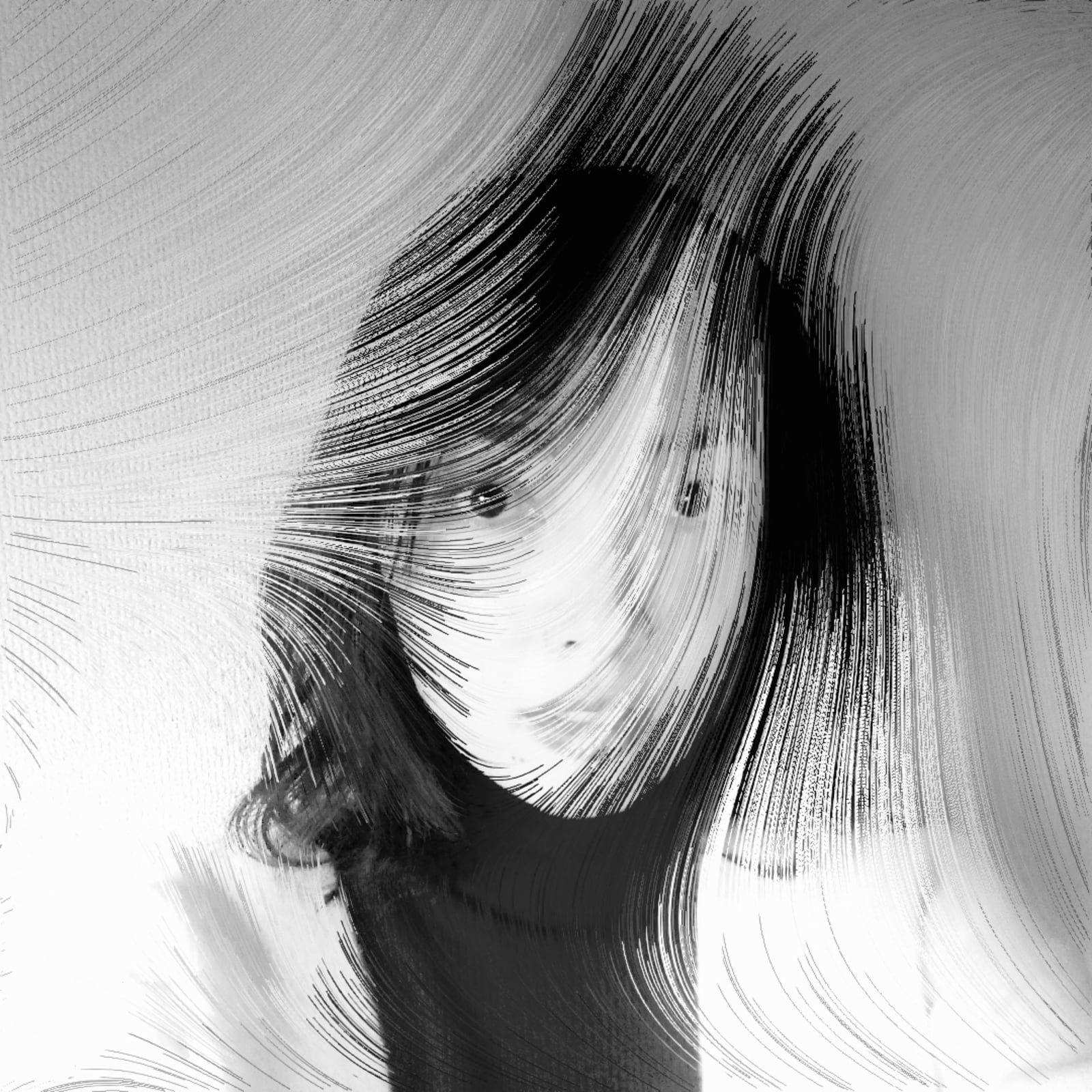
The conceptualization of my work, "tracking light in movement," is an exploration that weaves together artistic heritage, the philosophy of perception, and the possibilities offered by contemporary techniques. By revisiting Van Gogh's "View from Auvers," I attempt to create a temporal and technical dialogue that resonates on multiple levels.
A Contemplative Allegory: The Visual Palimpsest
My approach to subrealist and unconventional abstraction makes this piece a true palimpsest. Not a simple covering, but a deliberate superposition of layers that both reveal and conceal. The idea of digital archaeology tracking light and movement in art history is particularly evocative. It suggests that the artistic act is also an act of excavation, seeking the timeless resonances of emotion and perception beyond eras. Light, a central element in Van Gogh's work, here becomes a metaphysical quest, a light that transcends the canvas to illuminate the viewer's mind. This light, if brought daily by the artist, signifies for me an accomplishment far beyond any commercial success, touching on the very essence of artistic contribution.
A Technical and Sensory Symbiosis
The mixed technique I employ—physical and digital painting, blending watercolor and acrylic with instinctive strokes using a wooden spatula on photographed and scanned canvas, then transformed into hand-cut layers, and finally enriched with digital paint in stop-motion animation—embody the duality and coexistence I seek to explore, not only thematically, but also materially. The choice to layer traditional mediums and digital tools is not insignificant; it reflects a desire to embrace the evolution of art while honoring its roots. Stop-motion animation adds a crucial temporal dimension, transforming Van Gogh's static work into perpetual motion, a visual breathing that echoes Abstract Expressionism in motion.
Xanthopsia: Vision Transformed
The inclusion of the Xanthopsia (Yellow Vision) collection anchors my work in a profound symbolic dimension. Xanthopsia is an alteration of perception, a yellow lens through which the world is seen. By linking it to the utopian idea of finding positivity in dark moments, I hope to offer a poetic and philosophical key to interpretation. It is an invitation to see beyond the obvious, to unearth beauty even in the darkness, much in the same way that Van Gogh himself, confronted with his own torment, was able to transform pain into an explosion of color and form. This altered perspective becomes a tool of enrichment, a means of transcending raw reality to reach a deeper truth. Van Gogh's work, representing a transformative moment, becomes an anchor for exploring duality and coexistence in nature, reflecting the tensions and harmonies so characteristic of his own work.
Artistically, my work is both a tribute and a subversion. A tribute to Van Gogh, not through mimicry, but through a profound resonance with his vital impulse and quest for expression. Subversion, because I break with conventional representation to embrace an abstraction that draws on the visual memory of the original while creating a new, autonomous entity. It is a demonstration of the continued relevance of the Old Masters in contemporary art, showing how the past can illuminate and inspire the present.
Tribute to Van Gogh: « View of Auvers »
See the original artwork at : Van Gogh Museum
collage
portrait
00:59
2025
More from Treeskulltown
More on digital art
Collections with the artist