Loading Parameters: Xanthopsia 167
Loading Parameters: Xanthopsia 167
- Collage
- Pop
- Abstract
landscape
collage
01:00
2025

Hypertexte Sémantique: Xanthopsia 192
Treeskulltown

Fenêtre de l'âme: Xanthopsia 204
Treeskulltown

Peaceful Reveries: Xanthopsia 170
Treeskulltown

The Meaning: Xanthopsia 165
Treeskulltown

Le Tramage : Xanthopsia 161
Treeskulltown

The City With Organic Mapping: Xanthopsia 212
Treeskulltown

Subtitles: Xanthopsia 148
Treeskulltown

LIRE
Treeskulltown
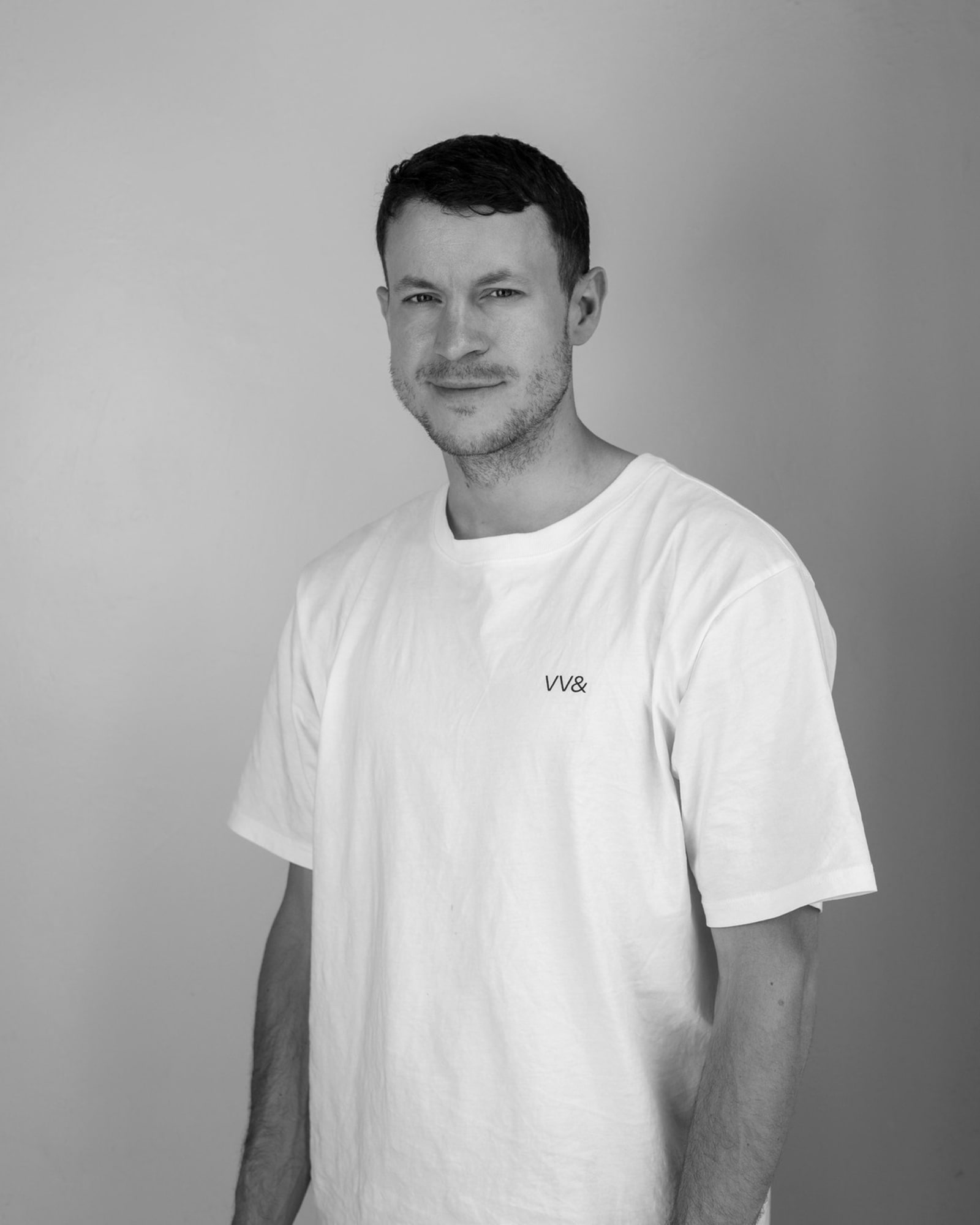
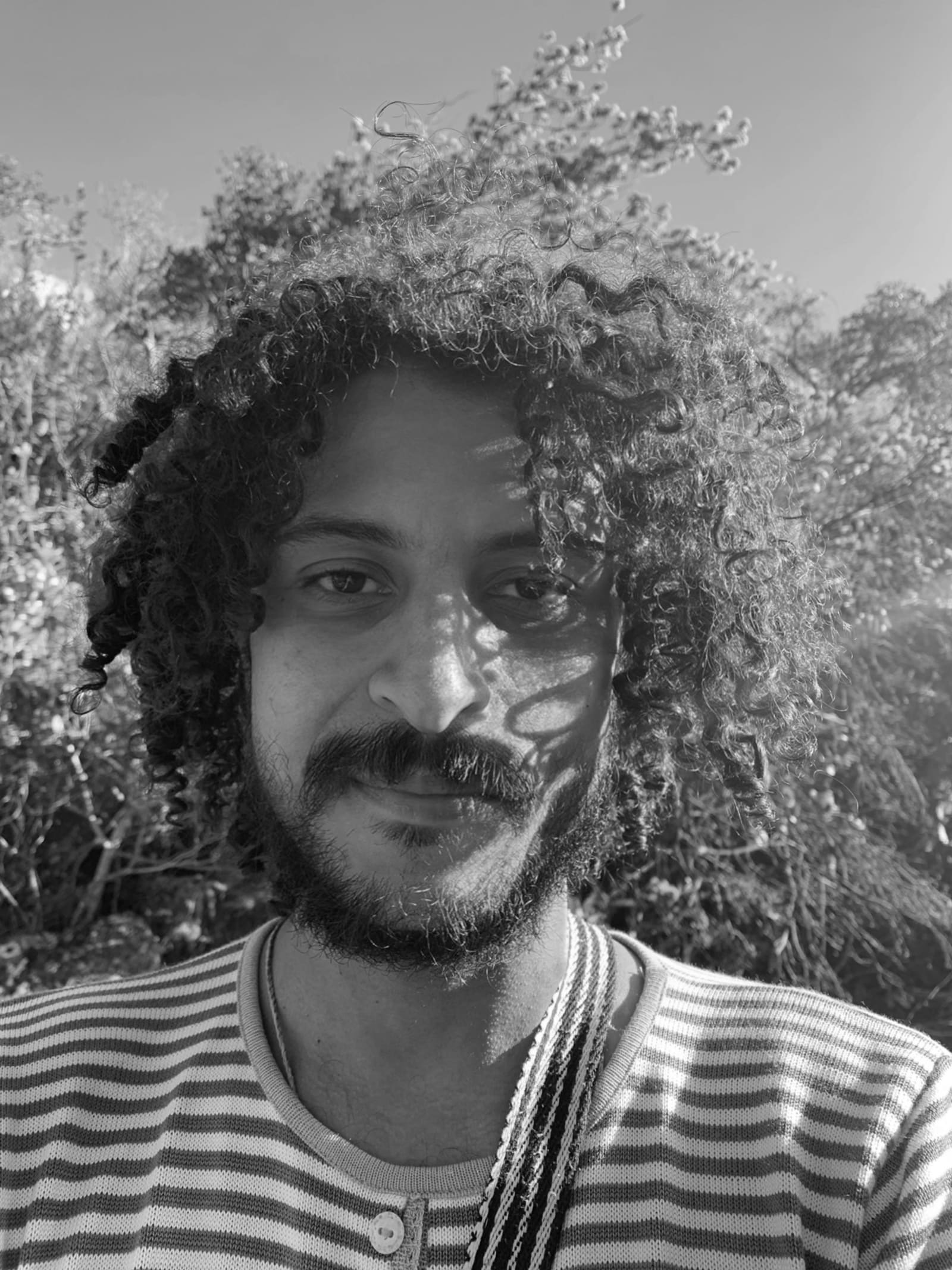
Treeskulltown is the conceptual avatar of a French multidisciplinary artist. For the last 4 years, he has been working in the field of digital art. Having grown up in the 80s, the emergence and development of computer technologies and techniques resonated with him and fuelled his curiosity. With 20 years of experimentation and hybridisation between physical and digital art under his belt, his work today is as much a personal quest as an artistic one. When he became a father, a need for simplicity and freedom, combined with the constraints of mobility, led him to return to the source of the desire to create and the pleasure of doing so, using organic materials (earth, paper, paint, cardboard, wood, etc.). It's a way of rediscovering meaning by naturally reconnecting with feelings and emotions. His aim is to develop a temporal parallel, a conversation, with the masters of classical art, to create a sub-reality to art history using mixed media animation techniques, thus creating an analogue palimpsest in digital strata.
Very involved in the crypto-artist community, his works are collected in Ethereum on FOUNDATION, in Tezos on OBJKT and in Bitcoin on GAMMA. Since 2022, his work has been exhibited and presented internationally at major events such as Art Crush Gallery, MOWNA, NFT NYC, NFT Japan, DAM Zine, NFC Lisbon, NFT Factory Paris, R HAUS Art Basel Miami, QUANTA Gallery London, IHAM NFT Gallery Paris. He was also selected in 2024 in The Hug 100 artists to watch and in the N3W Society Bookzine with the web3 agency: BRAWHAUS. His continual quest to reinvent himself and experiment provokes an emotional interaction with the viewer while guiding them with a subtle and conceptualised narrative.

Loading Parameters: Xanthopsia 167
The work "Loading Parameters" is part of a subrealist reinterpretation of Van Gogh's "Rive de la Seine," merging physical (acrylic on canvas) and digital (stop-motion animation) techniques. This artistic hybridization embodies a profound reflection on transmission, memory, and abstraction in a contemporary context marked by digital culture.
On a philosophical level, the work explores the principle of abstraction as a universal language of transfer. It draws on an allegory of the computer backup process—where the parameters of a system are transferred from one entity to another—to question how art transmutes and reinterprets itself across time, media, and subjectivities. This extended metaphor evokes the continuity and fragmentation of creation, from Van Gogh's expressionist gesture to current digital reinterpretations. Subrealism and Gestural Abstraction
Subrealism, here, does not seek to reproduce reality, but to extract an emotional and conceptual essence from it, in the manner of Abstract Expressionism (e.g., Pollock, De Kooning). Physical acrylic brushstrokes, photographed and digitally reworked, become gestural traces that symbolize both the materiality of painting and its dematerialization in the digital space. The minimalist, sequential animation reinforces this idea of "flow" and transfer, evoking the progressive loading of data as a metaphor for the creative process itself.
Duality and Coexistence: Homage and Reinvention
The Xanthopsia collection, centered on a "yellow vision"—an altered but optimistic perception—serves as a prism for revisiting Van Gogh's work. "Loading Parameters" embodies this duality: on the one hand, a tribute to the harmonic tension dear to Van Gogh (light/darkness, chaos/order); On the other, a break with convention through digital technology.
- The physical canvas preserves the texture, energy, and imperfection of the gesture.
- Digital processing introduces a temporal and mutable dimension, symbolizing the persistence and adaptation of the work through the ages.
This coexistence of the physical and the virtual illustrates how art can simultaneously inhabit multiple realities—just as “parameters” transferred from one computer to another retain their essence while adapting to a new context.
Digital Culture and Hybridization: A New Transmission
The work is rooted in a digital subculture where creation is a process rather than a final product. The “upload” evokes file transfers, cloud backups, and more broadly the way in which works circulate, remix, and reinterpret themselves in the digital age.
- Digital painting in frame-by-frame animation recalls GIFs or loops, contemporary forms of minimal and repetitive storytelling, conducive to contemplation. - The artistic gesture becomes data, just as Van Gogh's brushstroke becomes reinterpretable, recoded.
This approach asks: can we preserve the soul of a work while transforming it? The answer lies in the very process of transfer: like the parameters of a system, the artistic intention persists, but its expression evolves.
Reinvention and Transcendence
"Loading Parameters" goes beyond simple reinterpretation; it offers a meditation on the durability of art. By blending meditation (through the contemplation of superimposed layers) and potential interactivity (via digital media), the work invites an intimate connection with Van Gogh's work, while making it accessible to a contemporary sensibility.
This reinterpretation raises questions about:
- The fragmentation of artistic authority: the work no longer belongs only to its original creator, but also to those who rework it. - Enrichment through technology: digital technology allows us to explore dimensions (movement, algorithmic depth) invisible in traditional media.
Conclusion
"Loading Parameters" is much more than a tribute: it is an effective metaphor for artistic and cultural transmission in the digital age. It embodies xanthopsia—seeing light in darkness—by transforming a classical scene into a vibrant reflection on continuity, adaptation, and hybridization. By merging the expressionist gesture with digital language, the work affirms that art does not die; it recharges, reparameterizes itself, and persists across subjectivities and media.
Loading Parameters: Xanthopsia 167:
Tribute to Van Gogh : « Bank of the Seine »
Original in : Van Gogh Museum
Digital art version :
3840 x 2160 px / 4K MP4 / 156 Mo / 15 fps / 1/1 édition on @objkt
collage
landscape
01:00
2025
More from Treeskulltown
More on digital art
Collections with the artist