Refractions of Memory Ember
Refractions of Memory Ember
- Generative art
- Meditative
portrait
generative art
04:00
2023

Lightfall Ember - Horizontal
Melissa Wiederrecht

Vapor I
Melissa Wiederrecht

Bankhoor Assandal IV - Horizontal
Melissa Wiederrecht

Liquid Static - Horizontal
Melissa Wiederrecht

Nebula
Melissa Wiederrecht

Bakhoor Asssandal II - Horizontal
Melissa Wiederrecht

Bakhoor Assandal IV
Melissa Wiederrecht

Bakhoor Assandal I - Horizontal
Melissa Wiederrecht
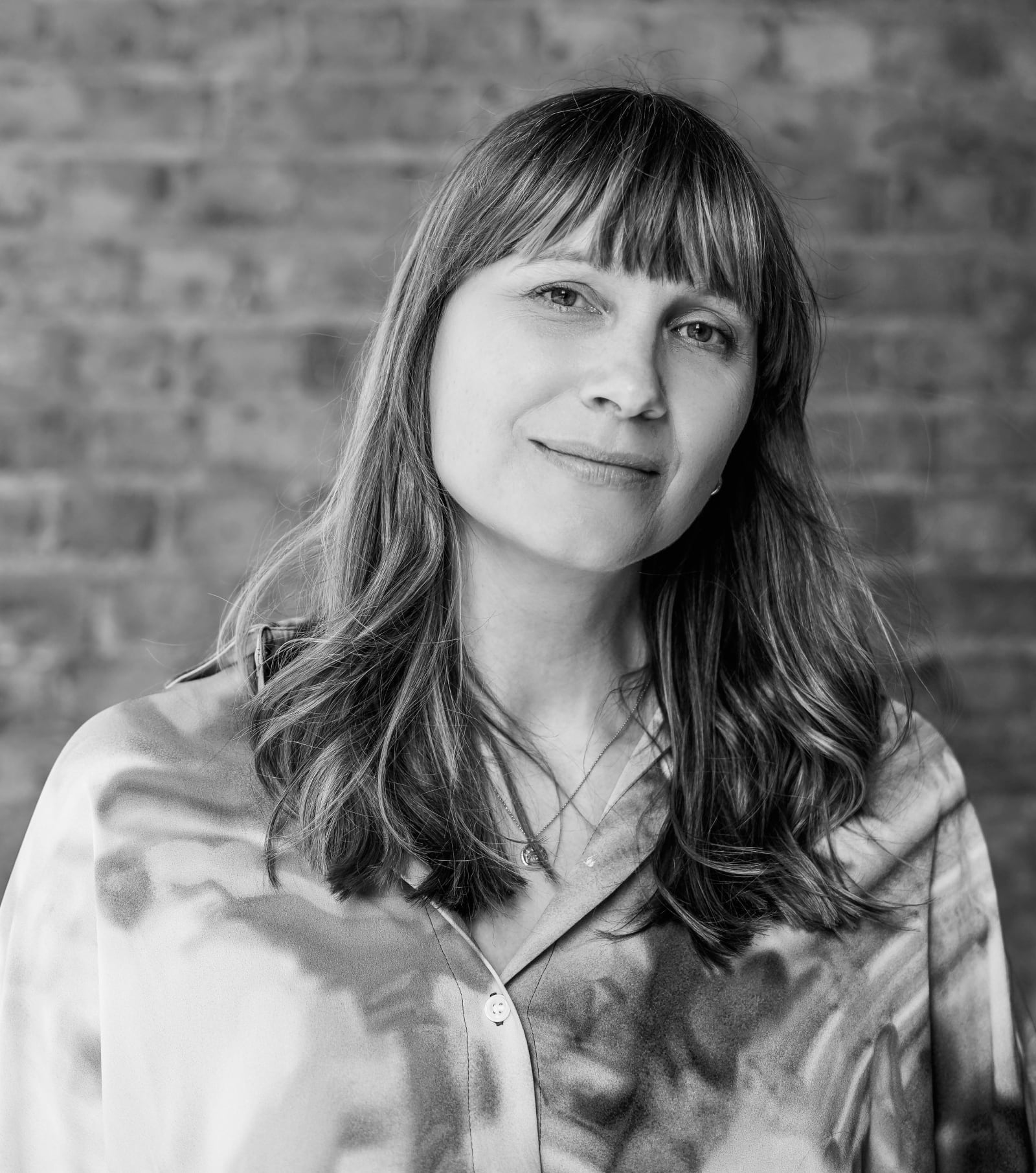
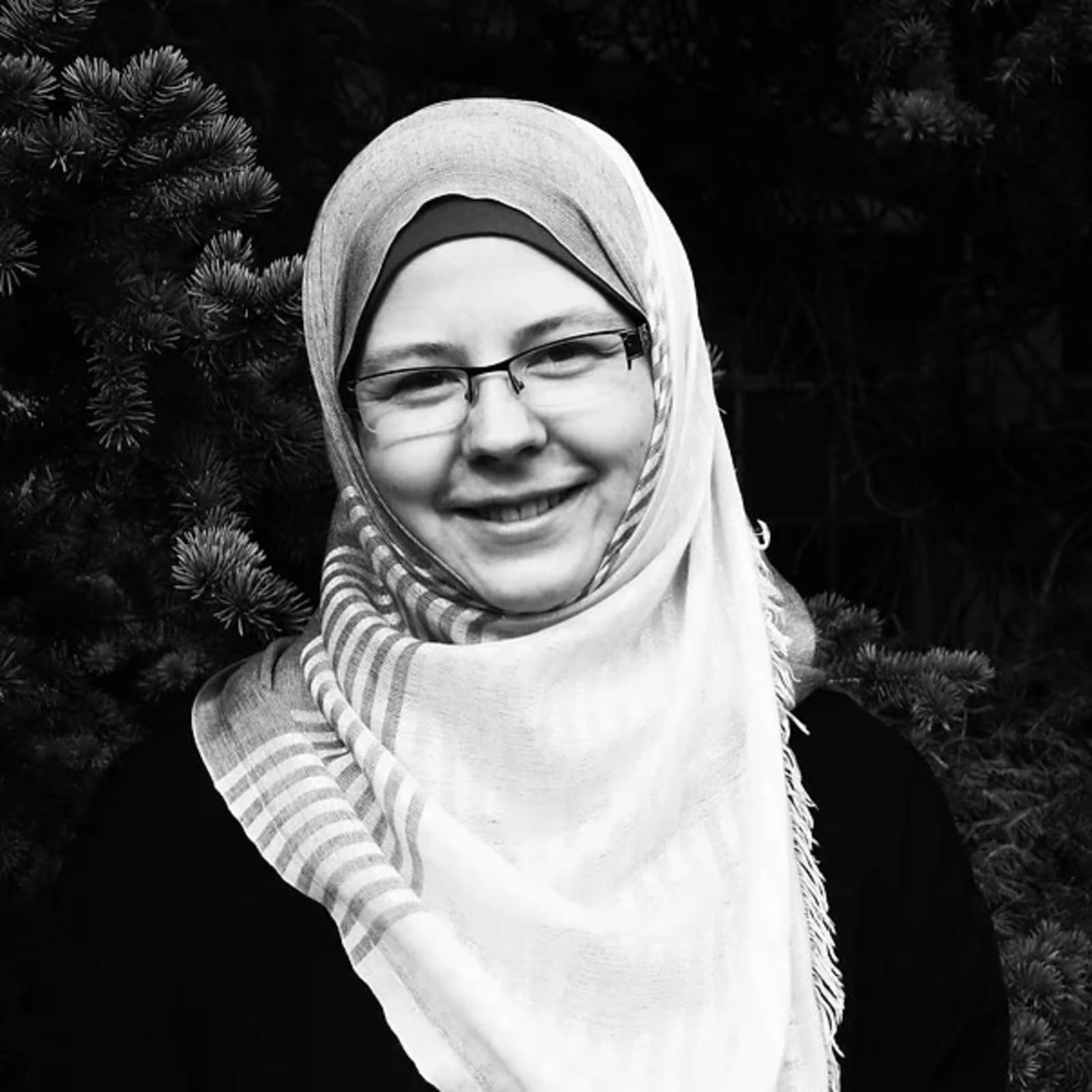
Melissa Wiederrecht is an American algorithmic generative artist who has lived and worked in Makkah, Saudi Arabia for the past decade. Trained in computer science, machine learning, and AI, she has been making generative art for over twenty years, since long before it had a name or an audience, and now exhibits internationally. She calls her work a "precise blur." Precise, because it is built entirely from mathematical code systems she writes herself. Blur, because what those systems produce is paradox, ambiguity, and in-betweenness. She works in the oscillation, the both/and: art that is extremely intentional yet overflowing with randomness, cold and mathematical yet emotionally moving, obviously a painting and obviously not, a single frozen frame and an infinite algorithm at once. Running through all of it is a bringing-together of traditional values and ancient forms with the most modern of media, code.
Melissa Wiederrecht has exhibited at the United Nations Headquarters, the Museum of the Moving Image, Gucci Art Space, Gazelli Art House, Art Dubai Digital, Art Blocks, and Feral File, among many others. Her work has also been showcased at prominent international venues and platforms, including HeK Basel, Unit London, GalerieData in Paris, Verse, VerticalCrypto Art (Berlin), and ArtRepublic Global during Miami Art Basel. Reflecting her impact on the digital art community, she was nominated for the Diversity Award at The Crypties by Decrypt Media in 2023.
Refractions of Memory Ember
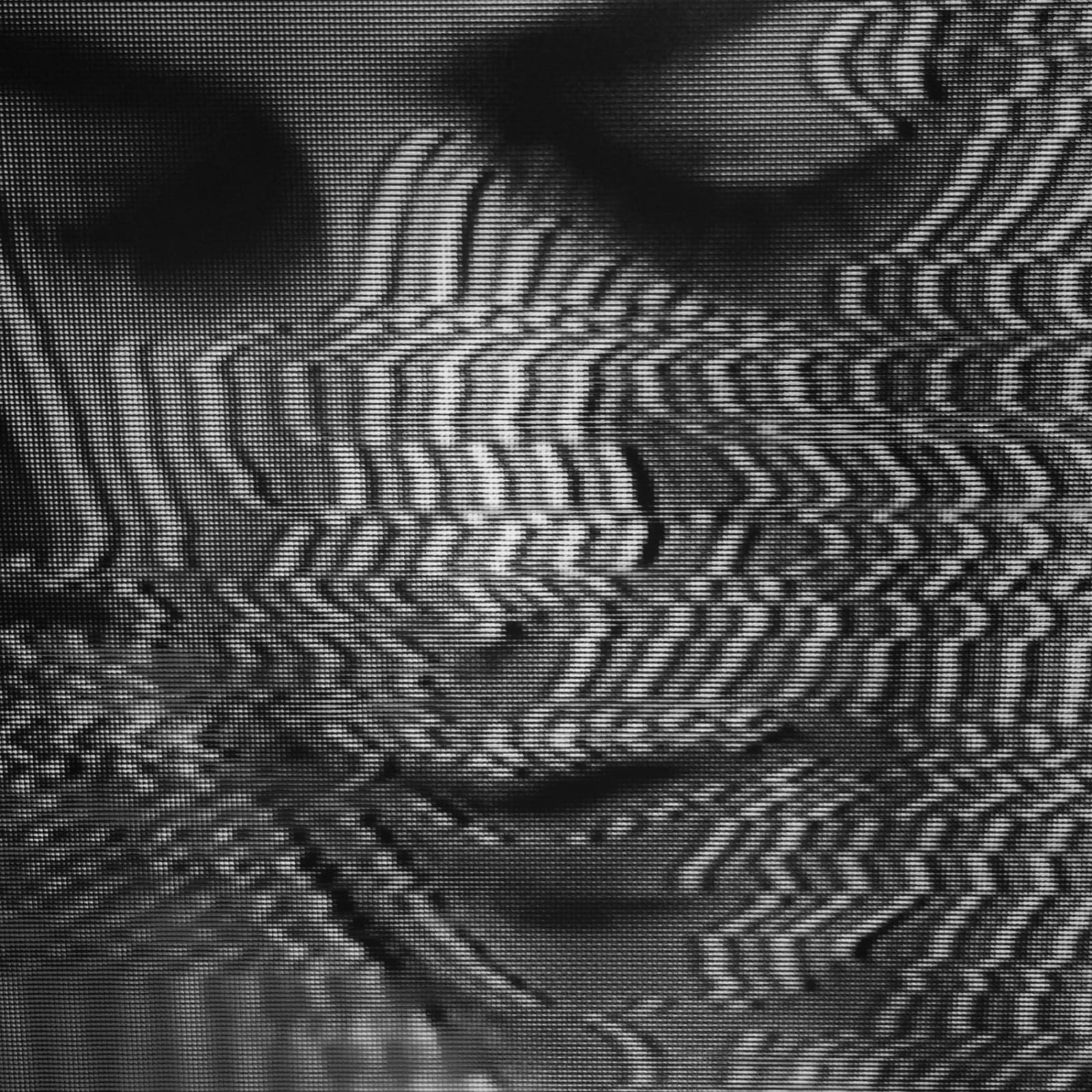
This piece explores the enduring light of memory, fluid, shifting, and ever-present. Luminous forms move like water or glass, refracting colors and shapes behind them, as if glimpsing moments remembered but never fully grasped. The interplay of obscurity and clarity evokes nostalgia, a sense of something beautiful and enduring just beyond reach. Beneath this shifting surface lies a quiet depth, an earlier work of mine, blurred and transformed, resurfacing to become part of something new. Above it all, my signature fabric texture grounds the piece, a reminder of presence amidst the movement. The work reflects resilience through transformation: like light passing through layers, memory persists, even when refracted or altered. It speaks to the beauty of the unseen, how the essence of who we are remains, even as life shifts and changes around us. Through its fluid motion and luminous depth, this piece invites viewers to contemplate the enduring strength and light within themselves, revealed in fragments, glimpses, and the quiet rhythm of memory.
Shown in The Light Within, the digital art exhibition presented by Art Republic and the WithHER Fund at United Nations Headquarters, New York, March 2025. Computational and procedural techniques, custom GLSL code, JavaScript.
generative art
portrait
04:00
2023
More from Melissa Wiederrecht
More on digital art
Collections with the artist