United States of America

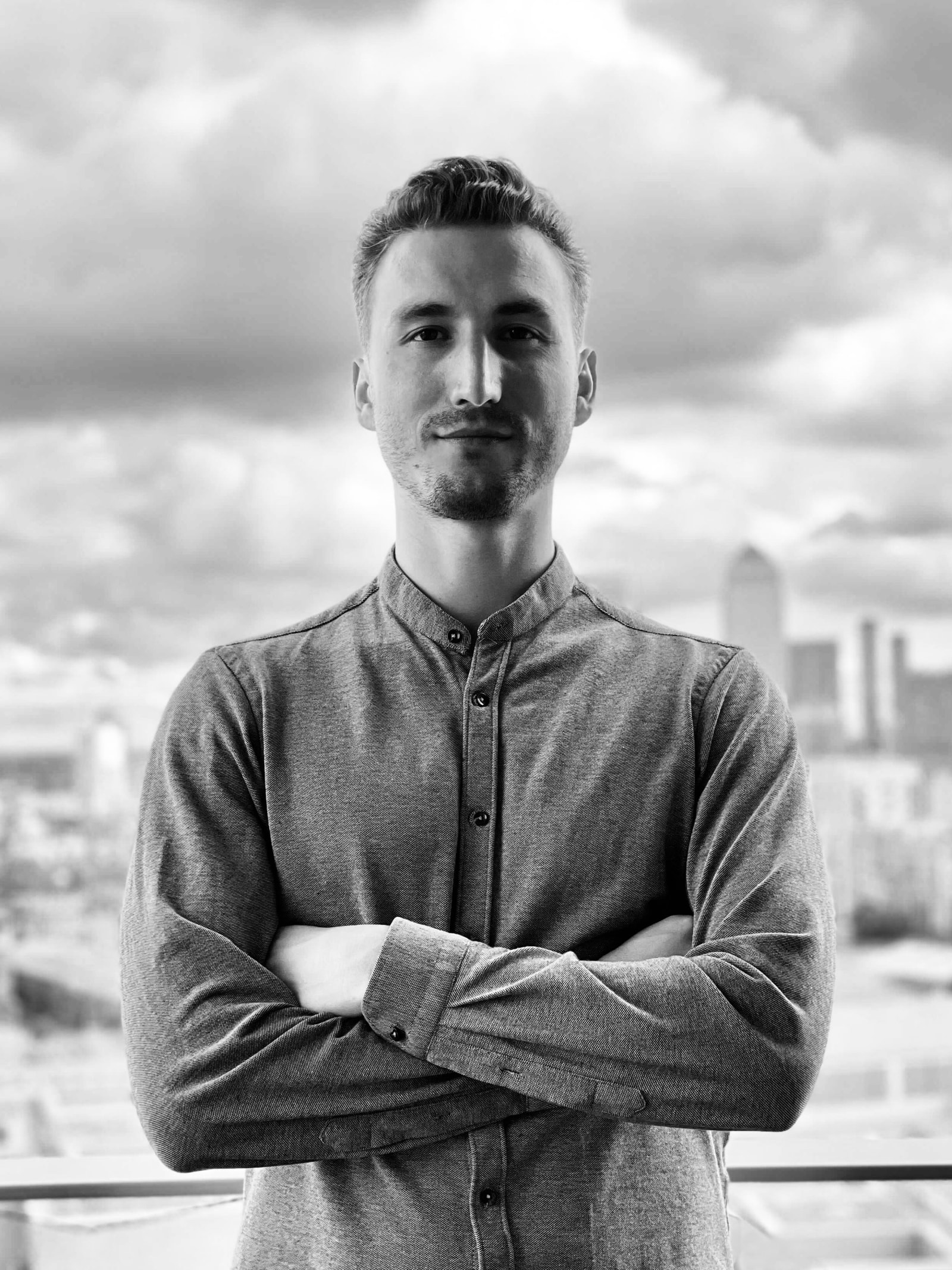
Jamie Scott is a British visual artist and photographer who specializes in special effects and time-lapse photography. With over 20 years of experience, he combines a background in media production and 3D animation from Bournemouth University in England with a career marked by technical innovation and artistic sensibility. He began his career at The Mill post-production studio in London, then moved on to Mass Market/Psyop in New York. His work explores the fleeting beauty of time, transforming natural phenomena into contemplative visual experiences where nature becomes a moving canvas and viewers discover intriguing shapes and patterns. Through meticulous compositions and the play of light, he seeks to reveal the invisible, capturing unique moments in a poetic work about life, death, and fragility. He continues to push the boundaries between the real and the digital, while incorporating technologies such as blockchain to preserve the impermanence of his works. His projects, often born of personal passions, invite viewers to slow down, immerse themselves, and rediscover a childlike sense of wonder.

Known for his approach that blends technical expertise with a dreamlike quality, Jamie Scott has projected his creations in Times Square (Midnight Moments, 2018) and worked for brands such as Chanel, Dell, Spotify, and Florence and the Machine. Throughout his career, he has collaborated with renowned directors such as Frank Budgen and Michel Gondry, winning awards for projects like Nike Human Chain and Audi Synchronized. After working at Method Studios (Los Angeles), he began a freelance career with studios such as Framestore and MPC.
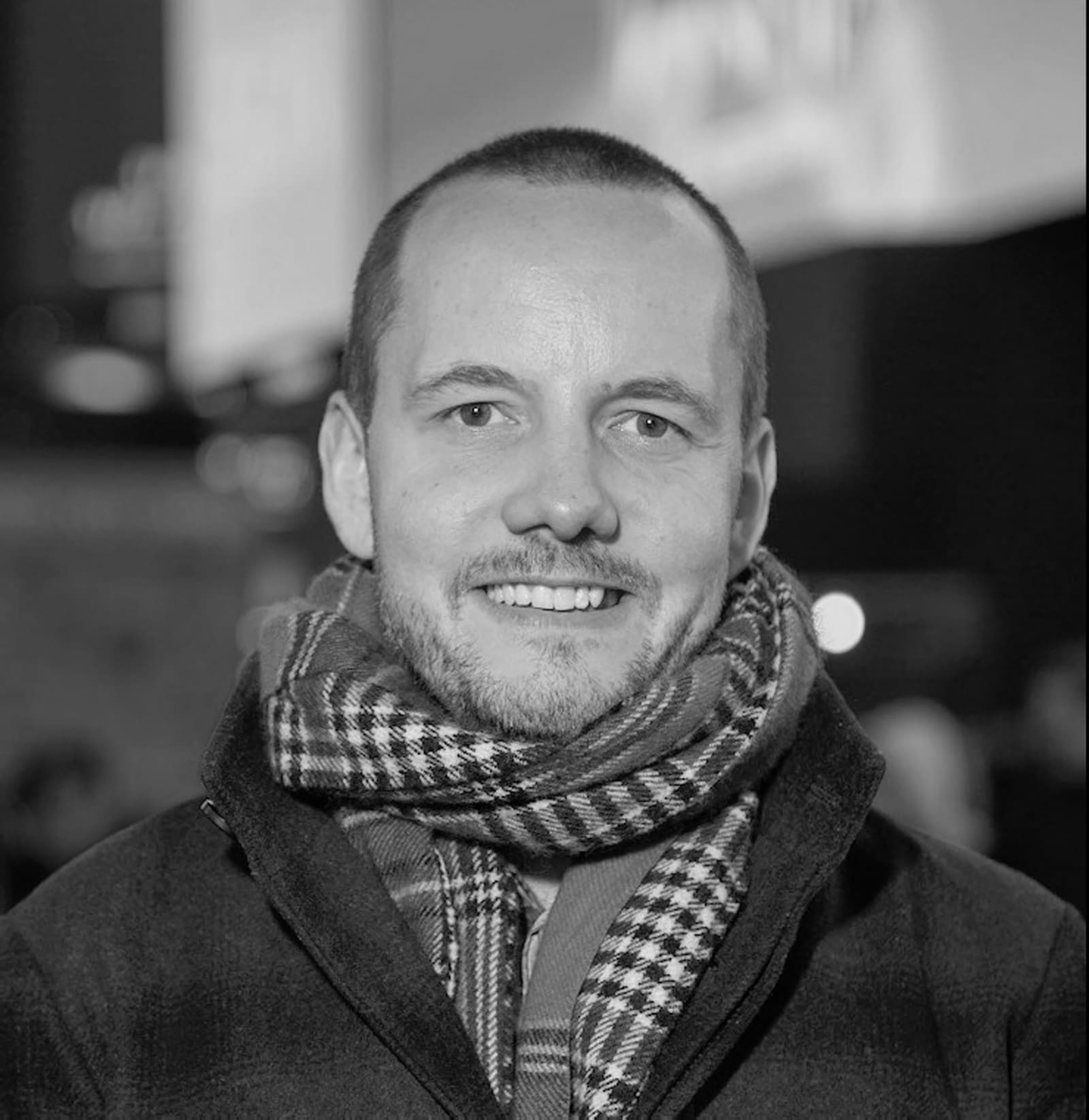

Jamie_Scott_Photography.jpg

Peonies burg - vertical

Peonies_burg_-_vertical_Jamie_Scott_Photography.mp4
Peonies differ from other flowers. Most flowers have only one layer of petals - once they open, the show is over. Peonies are different, they contain several layers. When the artist selects a specimen for a time-lapse, he has no idea what it contains. It’s always a nice surprise to discover interesting shapes and patterns.
technique

photography

format

portrait

duration

01:50

year

n/a

Transport

WANT TO BRING ART INTO YOUR SPACE?

More from Jamie Scott

More on digital art

Generative art
Generative art refers to a way of creating artworks using an autonomous system. In digital art, these are usually generated from code and algorithms created by the artist, often with certain predefined parameters or systems. Although these parameters guide the final outcome of the work, generative art is generally a surprising way to create artworks, as the results are often unexpected and the number of possible outcomes can be infinite.
AI
AI art is a branch of generative art that uses artificial intelligence. Unlike other generative artworks, AI artworks use specific complex algorithms and models derived from machine learning. The most common methods for creating AI art today are GANs (generative adversarial networks) or proprietary prompting platforms such as ChatGPT, Sora, Midjourney, or Dall-e.
3D
3D art uses 3D software such as Blender, Cinema4D, Houdini, or video game software such as Unity to create works of art. In 3D works, artists can either arrange assets (the 'objects' in a 3D artwork or world) that they have created themselves or purchased from other creators to create elaborate environments and scenes (an approach to 3D art called 'set dressing'), or specialize in sculpting, which involves creating their own objects and assets.
Photogrammetry
Photogrammetry is a specialized 3D technique that allows 3D objects to be created from numerous photographs taken of an object or scene from multiple angles. These photos are then compiled to determine the specific positioning, shape, and dimensions of the object in space, and then converted into a 3D model. Initially developed for engineering and urban planning, photogrammetry has become a way for artists to produce extremely accurate 3D models from real-life images.
Collage
An extension of the traditional, plastic approach to collage, digital collage involves searching for and cutting out multiple images, extracting them from their original context, and recomposing them in a new arrangement to create a work of art. Artists can use their own photographs or find images on the internet.
Illustration
Digital illustrations are created using software such as Adobe Illustrator, Photoshop, or Procreate. As with drawing on paper, the artist uses a stylus to sketch a figure or object, usually on a tablet, to construct a scene or artistic universe. Unlike traditional drawing methods, digital illustration is much more forgiving, as mistakes can be easily corrected and drawn elements and objects can be easily moved around within a scene.
Video
Video artworks primarily use a recording camera, but may sometimes include additional post-processing or editing to distort, modify or add additional elements to the image. Some artists use state-of-the-art recording equipment to create macro zoom-ins or time lapses, privileging fidelity to the subject matter. Others use additional softwares to significantly modify or warp the video, creating an alternative perspective on the world that surrounds us.

Collections with the artist

  • Firewheel_Mia_Forrest_Video.mp4
    Bloom
    155 artworks
  • Anemone_group_white_Jamie_Scott_Photography.mp4
  • Skyline_42_Enzo_Roff_Video.mov
  • Pink_Girl_Dancing_Luzroja_Video.mp4
  • Wisdom_is_the_key_to_happiness_Andrei_Stan_Collage.mp4
  • Ethereal_Escape_Laura_Alonso_3D.mp4
  • Pulpy_Caterpillar_Lena_Charobay_3D.mp4
  • Stretching_Canvas_Eric_Anton_3D.mp4
  • Perit_-_Irae_Sares_AI.mp4
  • Flower_Double_Red_Alex_McLeod_3D.mp4
  • Dreaming_of_the_Butterflies_Mariano_Peccinetti_Collage.mp4
  • Synchronicity_Alan_Bolton_3D.mp4
  • Where did you scan from

    RATE YOUR EXPERIENCE