Manifestation of the Poetry of Life: Xanthopsia 175
Manifestation of the Poetry of Life: Xanthopsia 175
- Collage
- Pop
- Abstract
portrait
collage
01:00
2025

Hypertexte Sémantique: Xanthopsia 192
Treeskulltown

Fenêtre de l'âme: Xanthopsia 204
Treeskulltown

Peaceful Reveries: Xanthopsia 170
Treeskulltown

The Meaning: Xanthopsia 165
Treeskulltown

Le Tramage : Xanthopsia 161
Treeskulltown

The City With Organic Mapping: Xanthopsia 212
Treeskulltown

Subtitles: Xanthopsia 148
Treeskulltown

LIRE
Treeskulltown
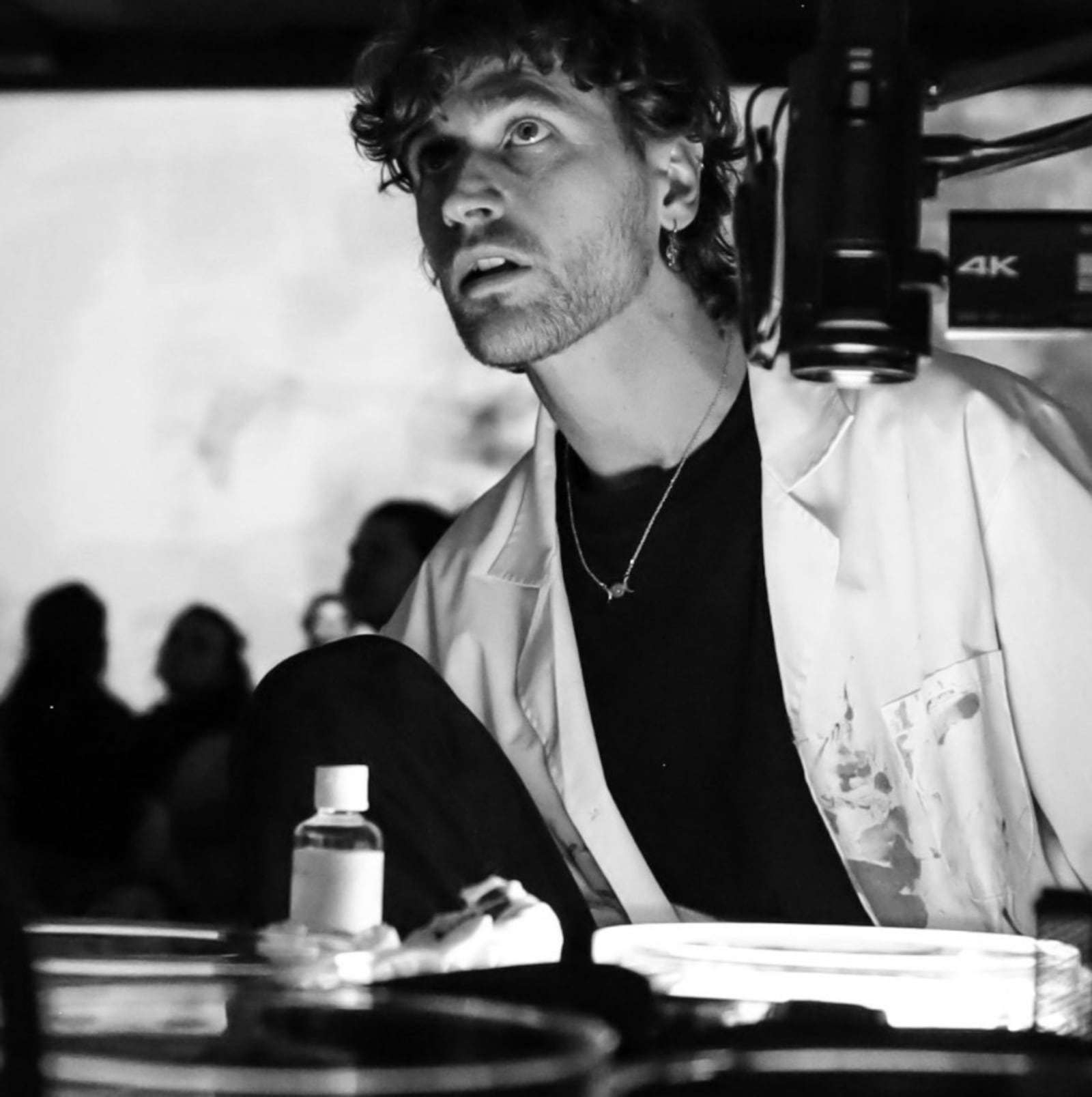
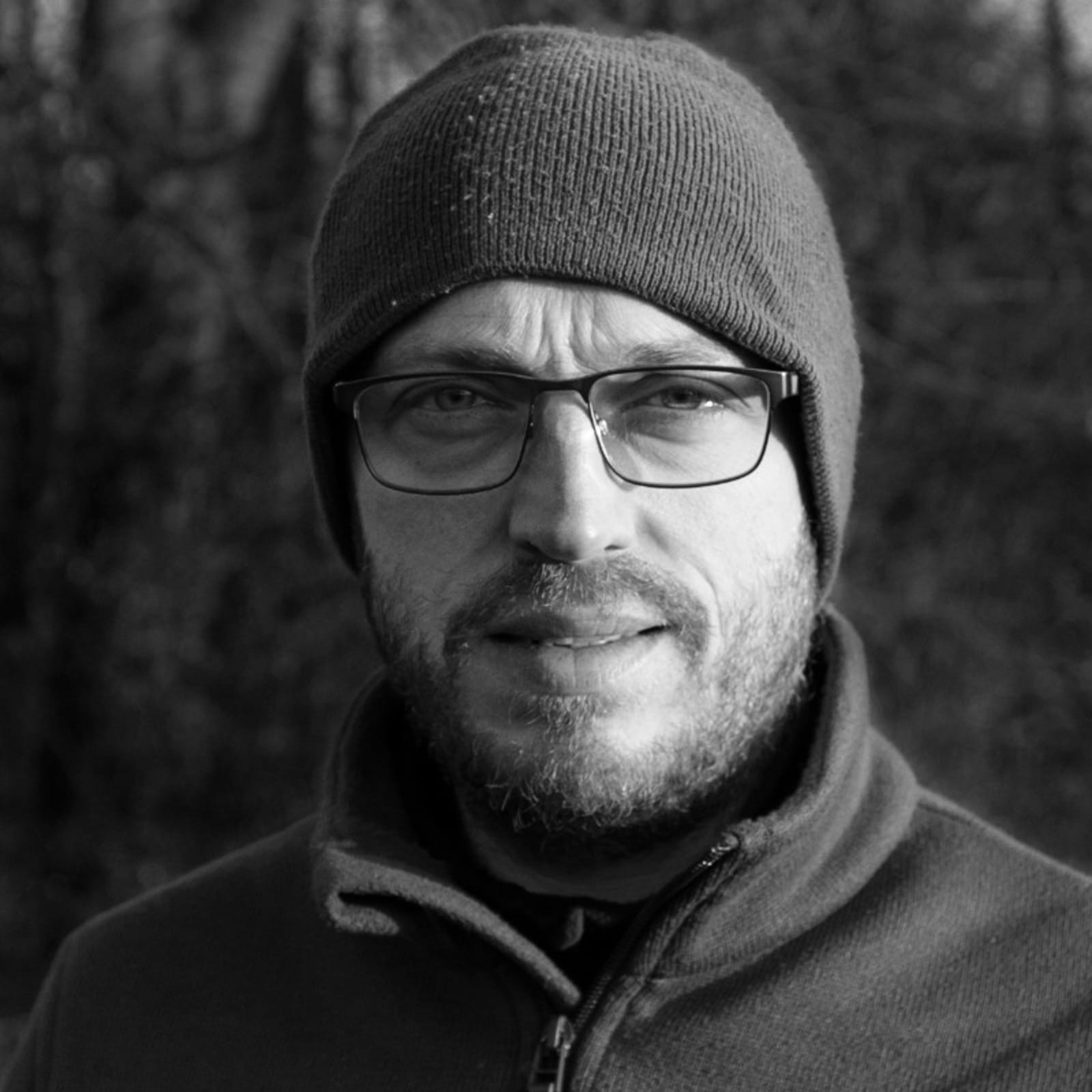
Treeskulltown is the conceptual avatar of a French multidisciplinary artist. For the last 4 years, he has been working in the field of digital art. Having grown up in the 80s, the emergence and development of computer technologies and techniques resonated with him and fuelled his curiosity. With 20 years of experimentation and hybridisation between physical and digital art under his belt, his work today is as much a personal quest as an artistic one. When he became a father, a need for simplicity and freedom, combined with the constraints of mobility, led him to return to the source of the desire to create and the pleasure of doing so, using organic materials (earth, paper, paint, cardboard, wood, etc.). It's a way of rediscovering meaning by naturally reconnecting with feelings and emotions. His aim is to develop a temporal parallel, a conversation, with the masters of classical art, to create a sub-reality to art history using mixed media animation techniques, thus creating an analogue palimpsest in digital strata.
Very involved in the crypto-artist community, his works are collected in Ethereum on FOUNDATION, in Tezos on OBJKT and in Bitcoin on GAMMA. Since 2022, his work has been exhibited and presented internationally at major events such as Art Crush Gallery, MOWNA, NFT NYC, NFT Japan, DAM Zine, NFC Lisbon, NFT Factory Paris, R HAUS Art Basel Miami, QUANTA Gallery London, IHAM NFT Gallery Paris. He was also selected in 2024 in The Hug 100 artists to watch and in the N3W Society Bookzine with the web3 agency: BRAWHAUS. His continual quest to reinvent himself and experiment provokes an emotional interaction with the viewer while guiding them with a subtle and conceptualised narrative.

Manifestation of the Poetry of Life: Xanthopsia 175
Philosophical and Artistic Synthesis
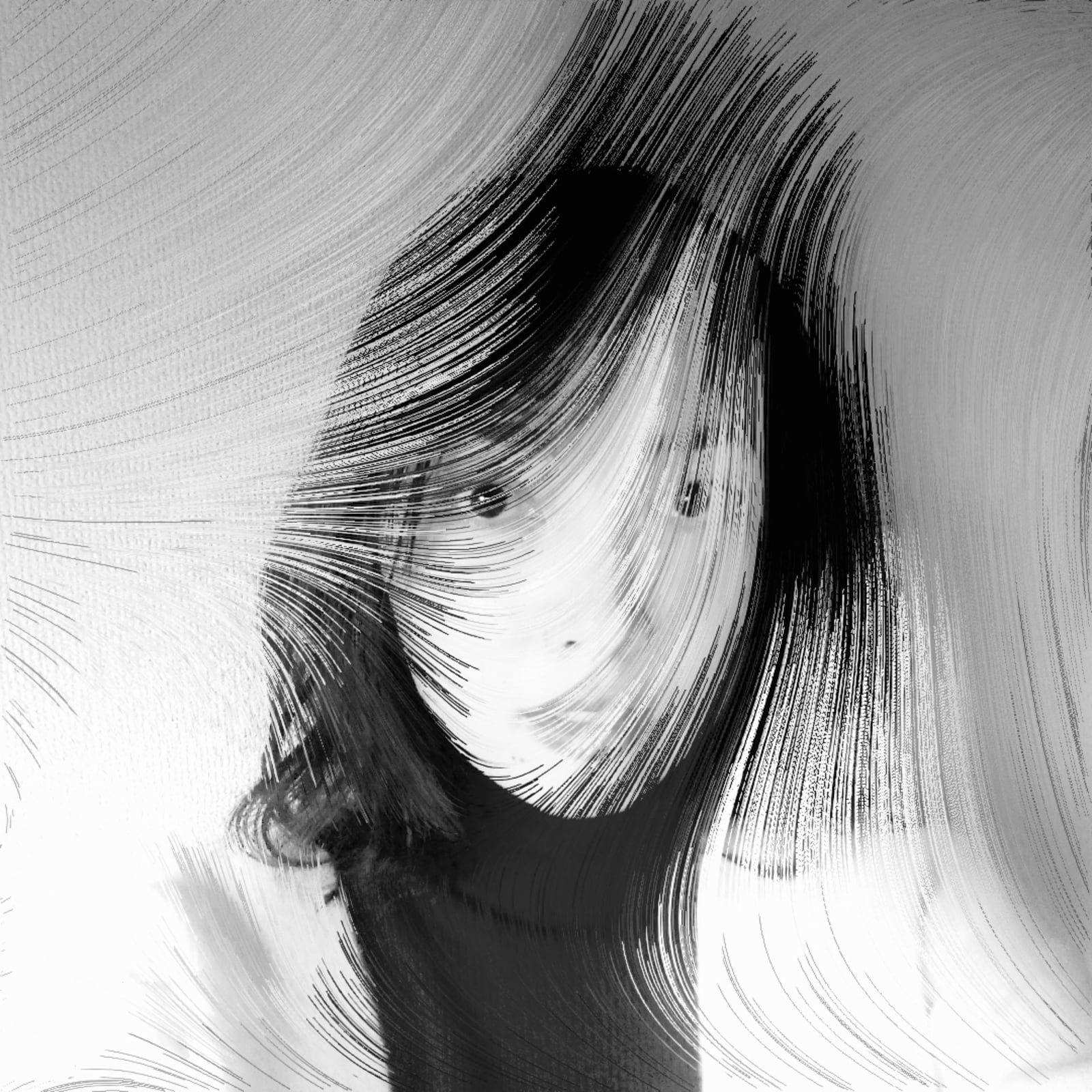
"Manifestation of the Poetry of Life" is part of a subrealist reinterpretation of Van Gogh's work, "Butcher's Shop Seen Through a Window." This hybrid piece fuses acrylic paint on canvas and minimalist digital animation to explore the gestation, evolution, and symbiosis of life with its environment. It embodies a contemplative allegory where contemporary abstraction meets gestural Abstract Expressionism, while questioning dualities (shadow/light, organic/digital, treeskulltown/Van Gogh). The Xanthopsia collection—symbolizing an altered perception turned toward positivity—serves as a common thread for this reflection on the coexistence of opposites. Technical Approach and Digital Subculture
The work combines:
- Physical Acrylic Painting: Gestural brushstrokes, inspired by the energy of Van Gogh, captured in high-definition photography to preserve the material texture.
- Stop-motion Digital Animation: Minimalist digital overlays of organic movements animate the canvas, evoking the cycle of life.
- Hybridization of Media: The photographed canvas becomes a digital "body," where digital painting symbolically extends the symbiosis between nature and artifice. This method reflects today's digital culture, where the physical and the virtual coexist to create new narratives.
Conceptual Depth
- Subrealism: The work goes beyond realism to reveal an invisible poetry—the original shop becomes a metaphor for life in flux, where the violence of natural cycles is sublimated by a contemplative aesthetic.
- Duality and Harmony: By reinterpreting the yellow vision (Xanthopsia), the work transforms Van Gogh's tensions (anguish/beauty) into a meditation on resilience. The minimalist animation, through its micro-movements, embodies the idea of persistent vitality amidst chaos.
- Temporal Transcendence: This digital reinterpretation does not replace the original, but enriches it with a modern sensory layer, questioning how contemporary tools can reveal new poetic dimensions in classical works.
Conclusion
"Manifestation of the Poetry of Life" illustrates art's ability to reinvent itself through the ages. By blending physical gestures and digital language, it offers an immersive experience where the viewer is invited to perceive life as a continual flux, both brutal and sublime. This approach aligns with the spirit of Van Gogh: seeking light in the darkness, while affirming that art remains a permanent dialogue between the past, the present and possible futures.
Manifestation of the Poetry of Life: Xanthopsia 175:
Tribute to Van Gogh:
« View of a Butcher's Shop »
in Van Gogh Museum collection
Digital art version :
2160 x 3840 px / 4K MP4 / 108 Mo / 7 fps / 1/1 édition on @objktcom
collage
portrait
01:00
2025
More from Treeskulltown
More on digital art
Collections with the artist