United States of America

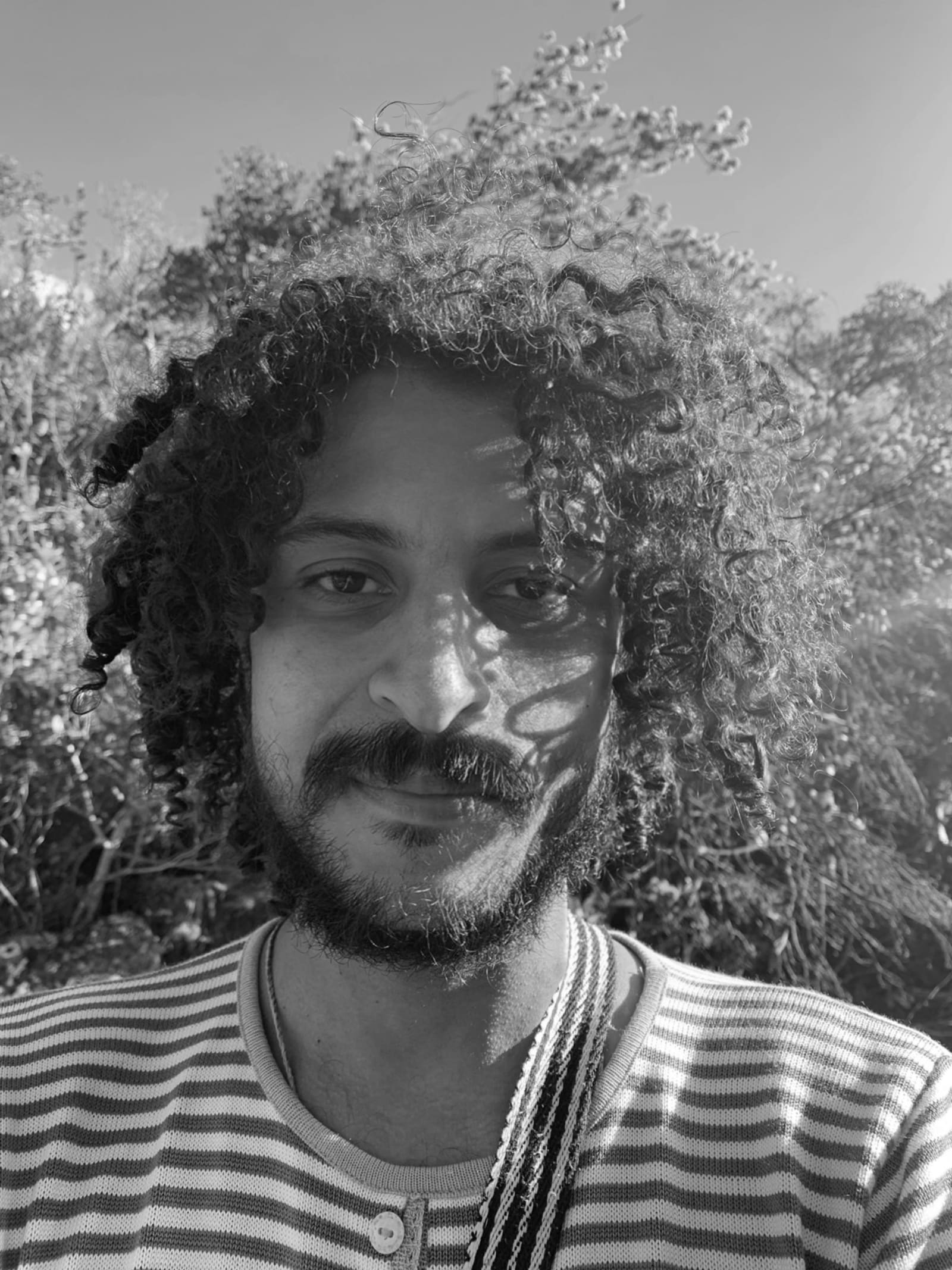
PERFECTL00P is a multidisciplinary artist based in the mountains of Colorado whose looping visual works are rooted in retro computing culture and early software aesthetics. Originally a sound designer and composer for interactive media, he now blends multiple software tools to create endless, hypnotic visuals, reworking Windows 95 icons, wallpapers, and classic games like Mario Bros into high-contrast, high-saturation GIFs. Glitch is central to his language: rather than an error, he treats it as a revelation, a way of uncovering the hidden beauty of the digital process. Though his work is deeply computer-based, his daily life is not. He homeschools his kids and values a quieter pace, a contrast that shapes his pursuit of flow, where ideas move continuously, forward and back, grounded in rhythm and repetition.

His work has been presented by AOTM (Art of This Millennium), where he took part in the Artists in Residence VI program alongside DeltaSauce and RJ, and he is among the artists featured in Kento’s Season 01 line of collectible physical art cards. He has also released a collection with Ninfa, which published an interview with him, and his work has entered the collection of Cozomo de’ Medici. Online, his GIPHY channel counts more than 360 uploads and over 900 million views.


PERFECT-L00P-Logo-800.png

Bounce

Bounce_PERFECTL00P_Video.mp4

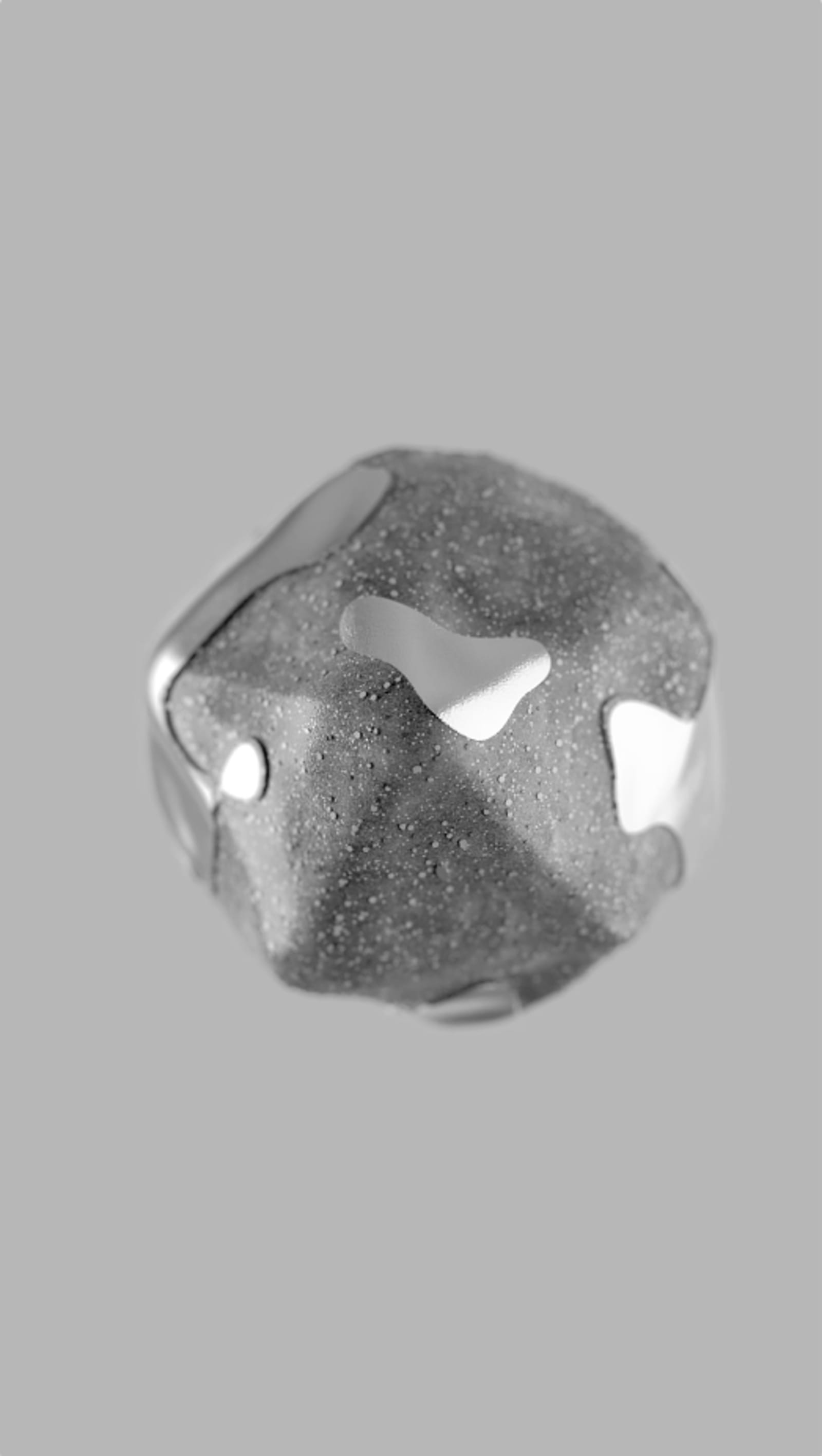
Drawing on the look and feel of late-90s PC games, this artwork taps into a very specific kind of nostalgia, one that can surface even for a game never actually played. Looped and glitched, the figure moves endlessly, caught in motion that never resolves, only repeats.

Each artwork is built around the mechanics of the loop itself: a cycle with no clear start or end, designed to pull the viewer into repetition rather than resolution. PERFECTL00P has described this as a kind of inescapable, dreamlike state, where the loop becomes less a technical constraint than the actual subject of the work. Visually, that loop runs through dense layers of glitch and artifact, pulling from the aesthetic of early software and 90s computing. As he's put it, a glitch "can make you nostalgic for something you never actually experienced, but you still feel it when you see it," a sensation that depends less on memory than on the texture of the image itself.

technique

video

format

landscape

duration

03:00

year

n/a

Transport

WANT TO BRING ART INTO YOUR SPACE?

More from PERFECTL00P

More on digital art

Generative art
Generative art refers to a way of creating artworks using an autonomous system. In digital art, these are usually generated from code and algorithms created by the artist, often with certain predefined parameters or systems. Although these parameters guide the final outcome of the work, generative art is generally a surprising way to create artworks, as the results are often unexpected and the number of possible outcomes can be infinite.
AI
AI art is a branch of generative art that uses artificial intelligence. Unlike other generative artworks, AI artworks use specific complex algorithms and models derived from machine learning. The most common methods for creating AI art today are GANs (generative adversarial networks) or proprietary prompting platforms such as ChatGPT, Sora, Midjourney, or Dall-e.
3D
3D art uses 3D software such as Blender, Cinema4D, Houdini, or video game software such as Unity to create works of art. In 3D works, artists can either arrange assets (the 'objects' in a 3D artwork or world) that they have created themselves or purchased from other creators to create elaborate environments and scenes (an approach to 3D art called 'set dressing'), or specialize in sculpting, which involves creating their own objects and assets.
Photogrammetry
Photogrammetry is a specialized 3D technique that allows 3D objects to be created from numerous photographs taken of an object or scene from multiple angles. These photos are then compiled to determine the specific positioning, shape, and dimensions of the object in space, and then converted into a 3D model. Initially developed for engineering and urban planning, photogrammetry has become a way for artists to produce extremely accurate 3D models from real-life images.
Collage
An extension of the traditional, plastic approach to collage, digital collage involves searching for and cutting out multiple images, extracting them from their original context, and recomposing them in a new arrangement to create a work of art. Artists can use their own photographs or find images on the internet.
Illustration
Digital illustrations are created using software such as Adobe Illustrator, Photoshop, or Procreate. As with drawing on paper, the artist uses a stylus to sketch a figure or object, usually on a tablet, to construct a scene or artistic universe. Unlike traditional drawing methods, digital illustration is much more forgiving, as mistakes can be easily corrected and drawn elements and objects can be easily moved around within a scene.
Video
Video artworks primarily use a recording camera, but may sometimes include additional post-processing or editing to distort, modify or add additional elements to the image. Some artists use state-of-the-art recording equipment to create macro zoom-ins or time lapses, privileging fidelity to the subject matter. Others use additional softwares to significantly modify or warp the video, creating an alternative perspective on the world that surrounds us.

Collections with the artist

Where did you scan from

RATE YOUR EXPERIENCE