Brazil

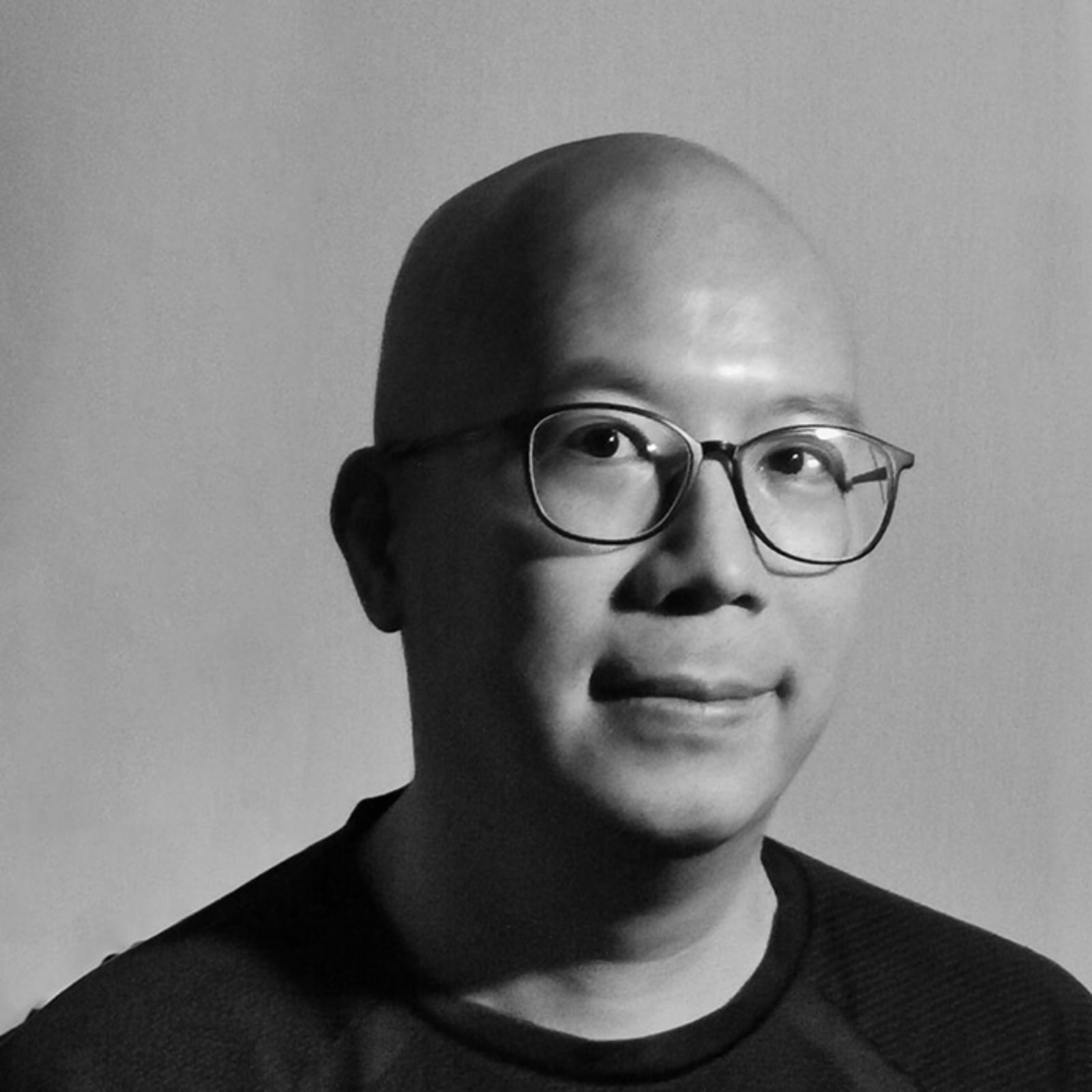
bevarela (Bernardo Varela) is a Brazilian-born, London-based artist working with digital and situated experiences through installations, audiovisual performances, and interactive systems. Drawing on experimental psychology, his research correlates multi-sensory ambiguity with the effects of digital technologies on attentional bias. Using everyday stimuli as source material to explore behavioural predictability and sensory filtering through aesthetic experiments that reframe our relationship with our environment.

In the early 2000s, he co-founded Moleculagem, a Brazilian collective exploring the intersections of art, video, music, and technology; he later formalized this research through a Master's in Design for Performance and Interaction at UCL. Alongside his experiential work, bevarela has over two decades of experience as a visual effects artist. This extensive background in moving images gave him a practical understanding of image creation and the intricate use of natural phenomena in visual storytelling, a technical foundation that continues to inform the precision behind his more experimental, perception-driven work.


ChatGPT Image 4 août 2026, 17_03_52.jpeg

Band Pass Scanner - Vertical

Band_Pass_Scanner_-_Vertical_bevarela_Video.mp4

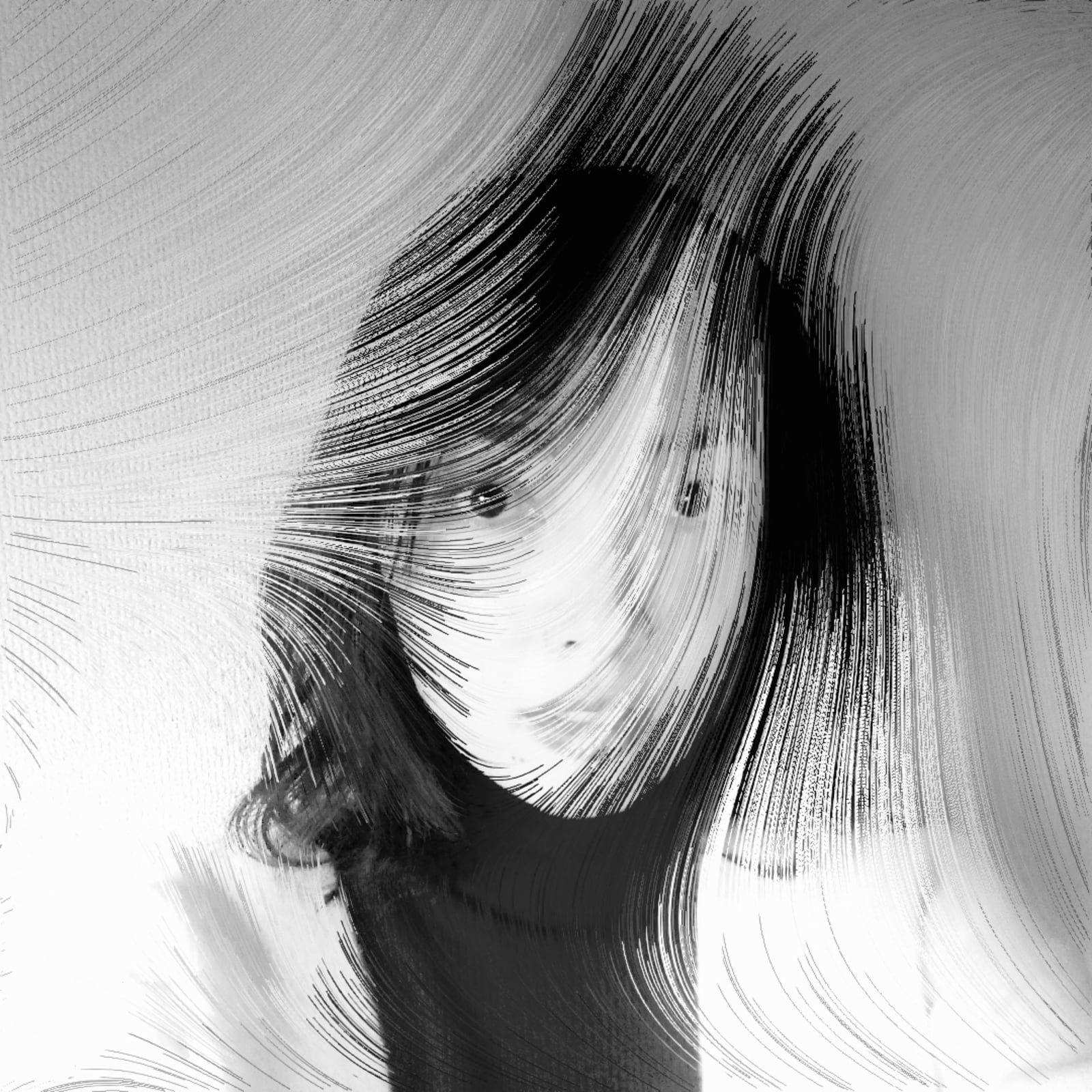
Created in the rural landscape outside Barcelona, Spain, Scan Fields is a site-specific series of works that form part of an ongoing exploration of environmental projections. Using minimal generative video projections, the series reveals what is already present in nature through a slow, scanning movement of light across the landscape.

Rather than transforming the environment, the projections celebrate it—drawing attention to details that often go unnoticed and allowing the landscape to gradually reveal itself through time.

technique

video

format

portrait

duration

03:25

year

2023

Transport

WANT TO BRING ART INTO YOUR SPACE?

More from bevarela

More on digital art

Generative art
Generative art refers to a way of creating artworks using an autonomous system. In digital art, these are usually generated from code and algorithms created by the artist, often with certain predefined parameters or systems. Although these parameters guide the final outcome of the work, generative art is generally a surprising way to create artworks, as the results are often unexpected and the number of possible outcomes can be infinite.
AI
AI art is a branch of generative art that uses artificial intelligence. Unlike other generative artworks, AI artworks use specific complex algorithms and models derived from machine learning. The most common methods for creating AI art today are GANs (generative adversarial networks) or proprietary prompting platforms such as ChatGPT, Sora, Midjourney, or Dall-e.
3D
3D art uses 3D software such as Blender, Cinema4D, Houdini, or video game software such as Unity to create works of art. In 3D works, artists can either arrange assets (the 'objects' in a 3D artwork or world) that they have created themselves or purchased from other creators to create elaborate environments and scenes (an approach to 3D art called 'set dressing'), or specialize in sculpting, which involves creating their own objects and assets.
Photogrammetry
Photogrammetry is a specialized 3D technique that allows 3D objects to be created from numerous photographs taken of an object or scene from multiple angles. These photos are then compiled to determine the specific positioning, shape, and dimensions of the object in space, and then converted into a 3D model. Initially developed for engineering and urban planning, photogrammetry has become a way for artists to produce extremely accurate 3D models from real-life images.
Collage
An extension of the traditional, plastic approach to collage, digital collage involves searching for and cutting out multiple images, extracting them from their original context, and recomposing them in a new arrangement to create a work of art. Artists can use their own photographs or find images on the internet.
Illustration
Digital illustrations are created using software such as Adobe Illustrator, Photoshop, or Procreate. As with drawing on paper, the artist uses a stylus to sketch a figure or object, usually on a tablet, to construct a scene or artistic universe. Unlike traditional drawing methods, digital illustration is much more forgiving, as mistakes can be easily corrected and drawn elements and objects can be easily moved around within a scene.
Video
Video artworks primarily use a recording camera, but may sometimes include additional post-processing or editing to distort, modify or add additional elements to the image. Some artists use state-of-the-art recording equipment to create macro zoom-ins or time lapses, privileging fidelity to the subject matter. Others use additional softwares to significantly modify or warp the video, creating an alternative perspective on the world that surrounds us.

Collections with the artist

Where did you scan from

RATE YOUR EXPERIENCE