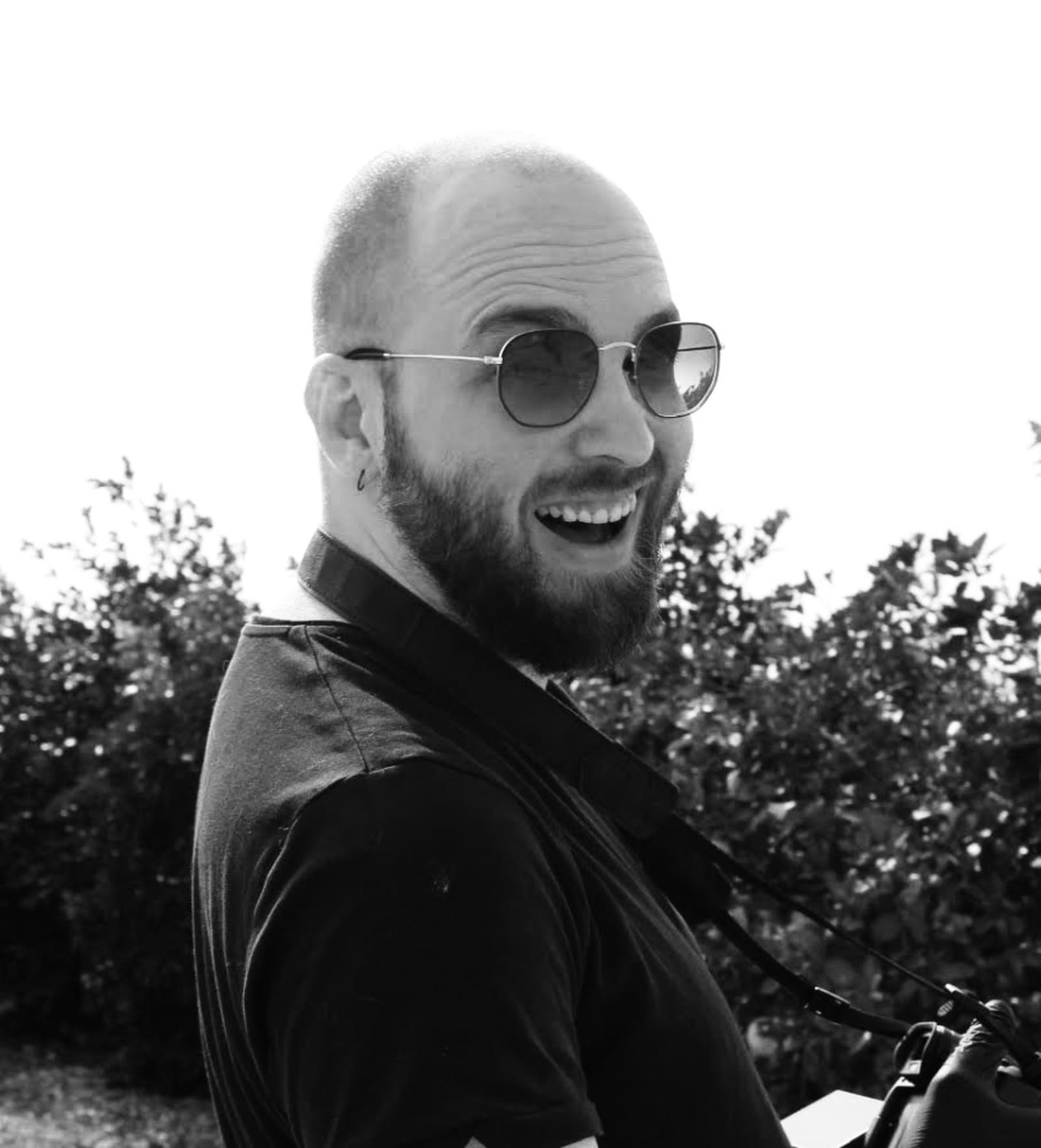
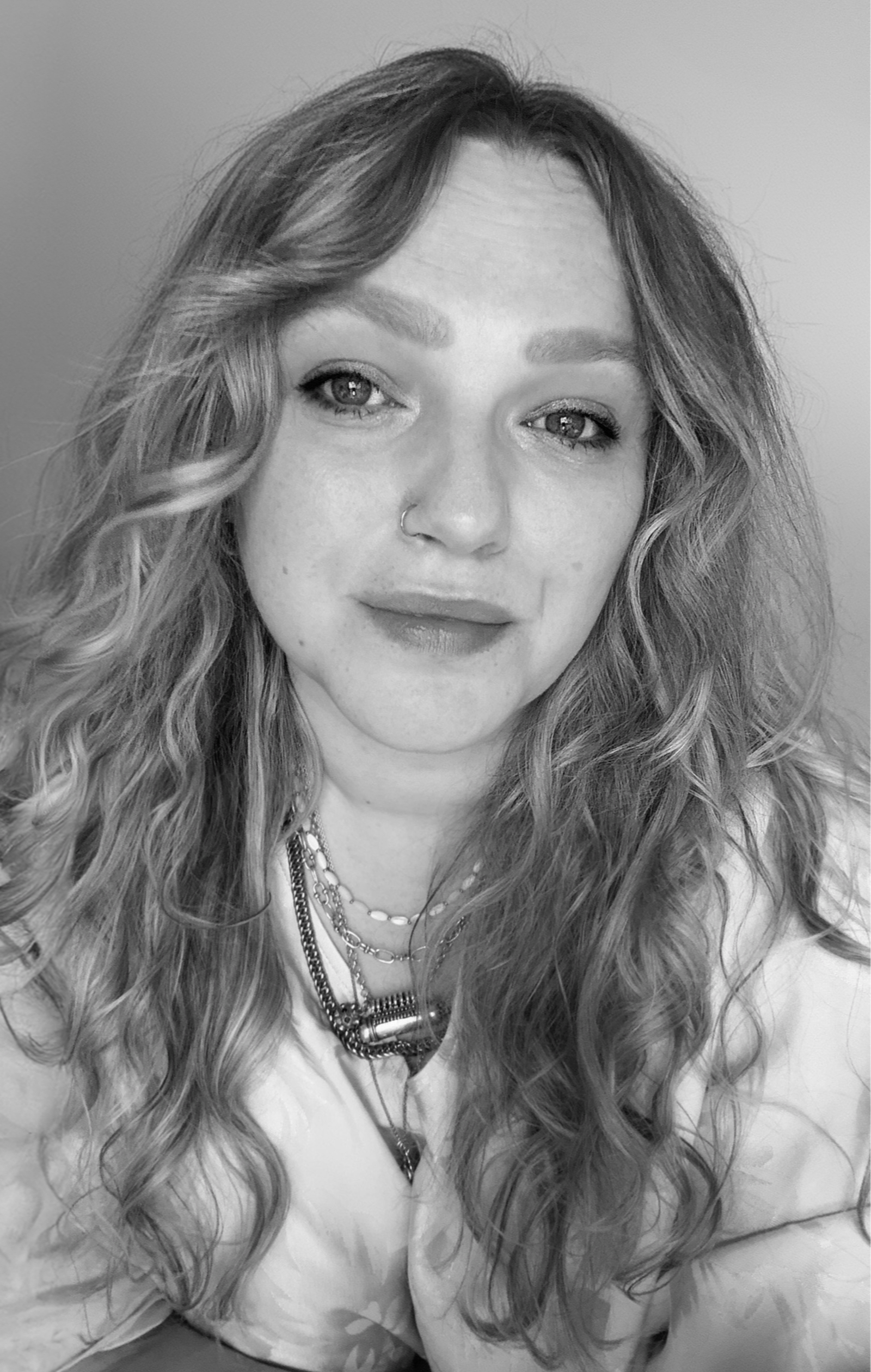
Hsin-Chien Huang is a Taiwanese new media artist whose practice integrates art, design, technology, literature, and performance. Since 1995, his work has explored interdisciplinary forms including interactive experience, mechanical apparatus, algorithmic computation, video installation, and immersive media, alongside collaborations with artists including Laurie Anderson and Jean-Michel Jarre.
Huang graduated from National Taiwan University with two Presidential Awards, later studying product design at ArtCenter College of Design and earning a master's degree from the Institute of Design at Illinois Institute of Technology as a full Moholy-Nagy scholar. He has held roles as a researcher at Interval Research Corporation and Art Director at Sega and Sony Computer Entertainment, and currently serves as a professor in the Department of Design at National Taiwan Normal University. His work has been presented at the Venice Film Festival, Festival de Cannes, SXSW, MoMA, the Taipei Fine Arts Museum, the Shanghai Biennale, the Venice Biennale, and Ars Electronica, and in 2026 he was invited to serve as a jury member for Cannes Immersive at the Festival de Cannes. His recognitions include Best VR Experience at the Venice Film Festival, the Masque d'Or at NewImages Festival, Best VR Story at Cannes XR, the SXSW Virtual Cinema Jury Award, and multiple Honorary Mentions at Ars Electronica.

The Bunker

A form generated from the accumulated afterimages of a body touching the interior wall of a bunker, while reaching through its peepholes toward the space beyond. The work records a body caught between protection and confinement, between the desire to hide and the impulse to reach out.
Media: Motion capture, custom software, 3D-printed nylon
Award: Prix Ars Electronica 2026, Digital Humanity — Honorary Mention
Media: Motion capture, custom software, 3D-printed nylon
Award: Prix Ars Electronica 2026, Digital Humanity — Honorary Mention
Initiated in 2015, The Sculptures of Touch is an ongoing research-based practice that repositions the human body not as an image to be captured, but as a medium through which historical pressure is sensed, translated, and given form. Its central proposition is that when the body becomes the recording instrument, the archive itself changes: it ceases to be merely a repository of objects and becomes a field of embodied decisions.
The work proposes somatic archiving as a post-visual heritage practice: an archive in which the body does not merely document historical sites, but is acted upon by them. Touch becomes a way of receiving pressure, hesitation, refusal, and care. Digital tools are reoriented away from extraction and toward contact, translation, and return.
In an era when cultural heritage is often measured by resolution, fidelity, and forensic completeness, the project follows another path. Rather than reconstructing contested political sites as stable objects of knowledge, it asks how historical spaces might be remembered through embodied encounter: through touch, pressure, hesitation, reach, and restraint.
The body is never neutral. It selects. It pauses. It withdraws. The direction, duration, and intensity of each contact become affective inscriptions—marks of what the body is willing, or unable, to approach.
Here, motion capture does not function as a tool for reproducing architecture. It records a body's negotiation with architecture. Data is not treated as objective evidence, but as the residue of bodily decisions. The resulting 3D-printed forms are not replicas of monuments, walls, bunkers, or rooms. They are condensed volumes of contact: spatial records of fear, curiosity, confinement, desire, and memory.
• The human becomes the medium.
• Touch becomes the archive.
• Movement becomes testimony.
The project therefore does not preserve ruins as objects. It preserves the choices a body makes in the presence of history.
Across successive exhibitions and research phases, each iteration extends the question of how technological recording can move beyond representation and become an embodied practice of remembrance.
Future phases may extend this method to contested political sites across different geographies, forming a transnational tactile archive composed not of measurements, but of encounters.
In a data-driven era, The Sculptures of Touch proposes a different model of memory: history need not be reproduced in perfect detail in order to endure. It can be carried through the body, translated through touch, and returned as sculpture.
3d
landscape
02:13
2015
More from Hsin-Chien Huang
More on digital art
Collections with the artist