Lacrimae of Lethe
Lacrimae of Lethe
- Collage
- Photography
portrait
collage
05:15
2025

Metamorphosis
David C Morton

Allure
David C Morton

Expanse extended
David C Morton

Metamorphosis Extended
David C Morton

Envelop
David C Morton

Envelop Extended
David C Morton

Expanse
David C Morton

Repose
David C Morton
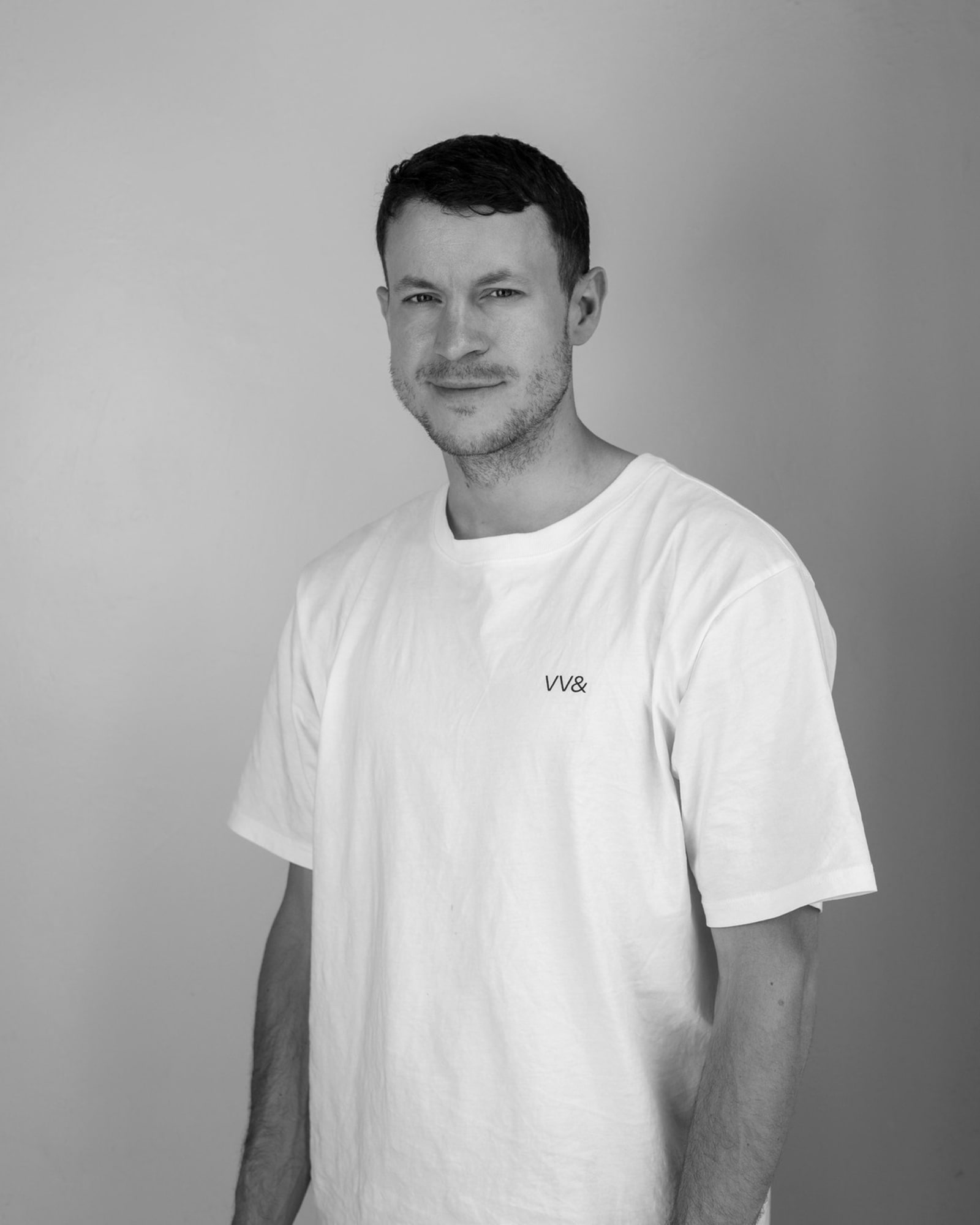
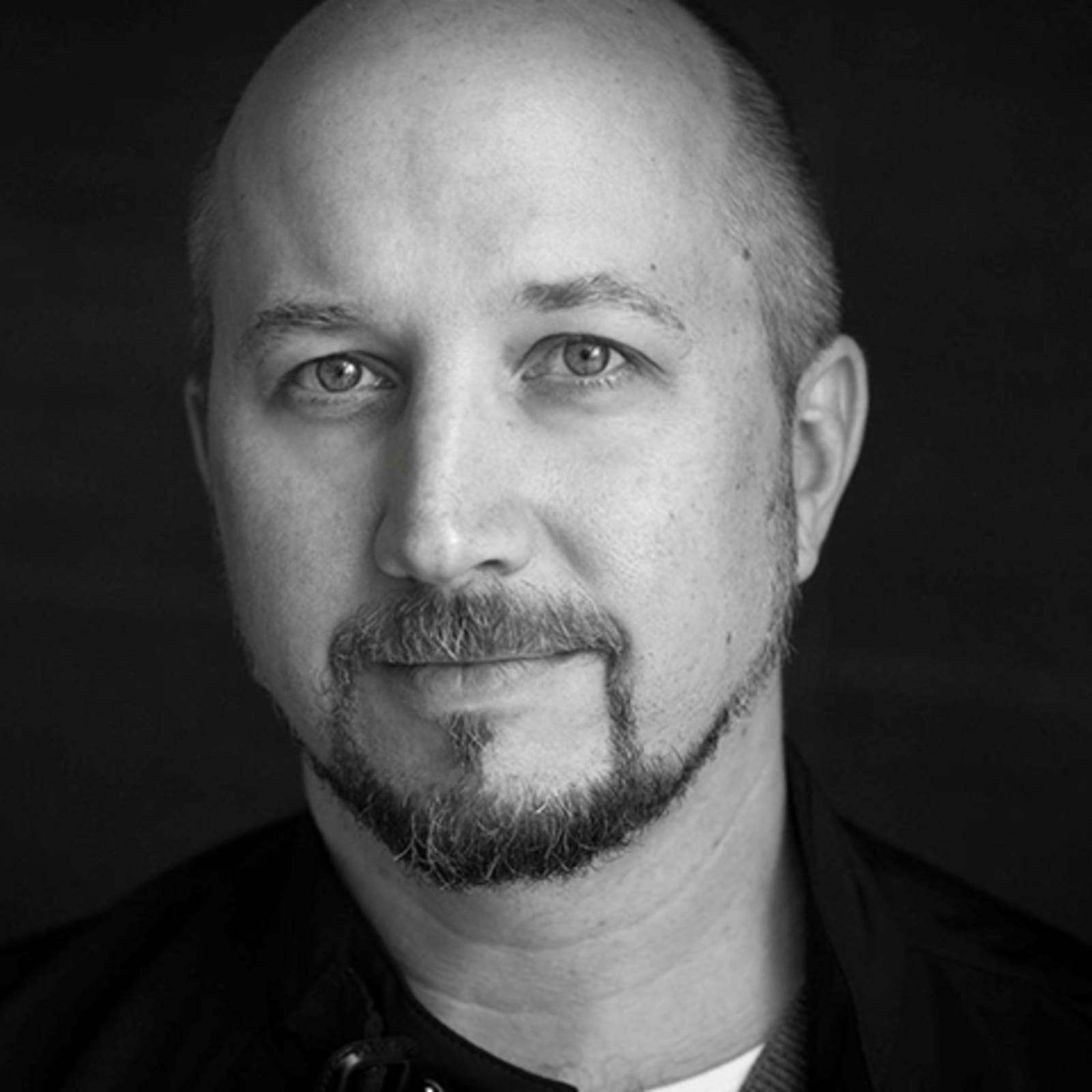
David C Morton is a Berlin-based artist working in monochrome digital collage. He holds a Bachelor of Visual Communication Design (Honours) from Monash University in Melbourne. His practice combines hand-made surfaces - marbling, pigment, ink, painting, and drawing, with photographic fragments of the human figure.
Morton's practice moves between mediums and back again. Best known for his monochrome collage work, his marbled, warped and torn aesthetic centres on a connection to humanity, material experimentation and creation through destruction. Photographic imagery is broken down through painting, drawing, and physical mark-making, then reassembled digitally - a cycle of construction, deconstruction, and reinvention that gives each work its weathered, layered quality.
His work has been exhibited from Berlin to Melbourne and London, blending avant-garde projects, prestigious collaborations, notably with Nike, and musical artworks. Recently honored in 2025 with Intelligent Kin at Berlin New Media Week (Mahalla), his career boldly navigates between physical and virtual spaces: from Australian galleries (Forth_e_decade at Backwoods, Fort Earth at Marfa, No Vacancy, Beautiful Delirium) to the frontiers of the Metaverse (Terminus), via London’s Brick Lane Gallery (Art in Mind). This distinctive aesthetic has also made its mark in contemporary publishing through Alice.D Magazine (Censorship and Out of Order) and the Saturation of Self collaboration for Charles Oliver. David was also awarded First Place in the Experimental Category at the Tokyo Type Directors Prize in 2015.

Lacrimae of Lethe
She does not fall; she unravels. Her tears are indistinguishable from the water flowing around and through her.
A meditation on sorrow, memory, and forgetting, drawn from Lethe — the river of oblivion in Greek mythology. In the myth, Lethe offers the comfort of forgetting. Here, forgetting becomes a grief of its own.
collage
portrait
05:15
2025
More from David C Morton
More on digital art
Collections with the artist