Bakhoor Assandal II
Bakhoor Assandal II
- Generative art
- Meditative
- Abstract
portrait
generative art
04:00
2023

Lightfall Ember - Horizontal
Melissa Wiederrecht

Vapor I
Melissa Wiederrecht

Bankhoor Assandal IV - Horizontal
Melissa Wiederrecht

Liquid Static - Horizontal
Melissa Wiederrecht

Nebula
Melissa Wiederrecht

Bakhoor Asssandal II - Horizontal
Melissa Wiederrecht

Bakhoor Assandal IV
Melissa Wiederrecht

Bakhoor Assandal I - Horizontal
Melissa Wiederrecht
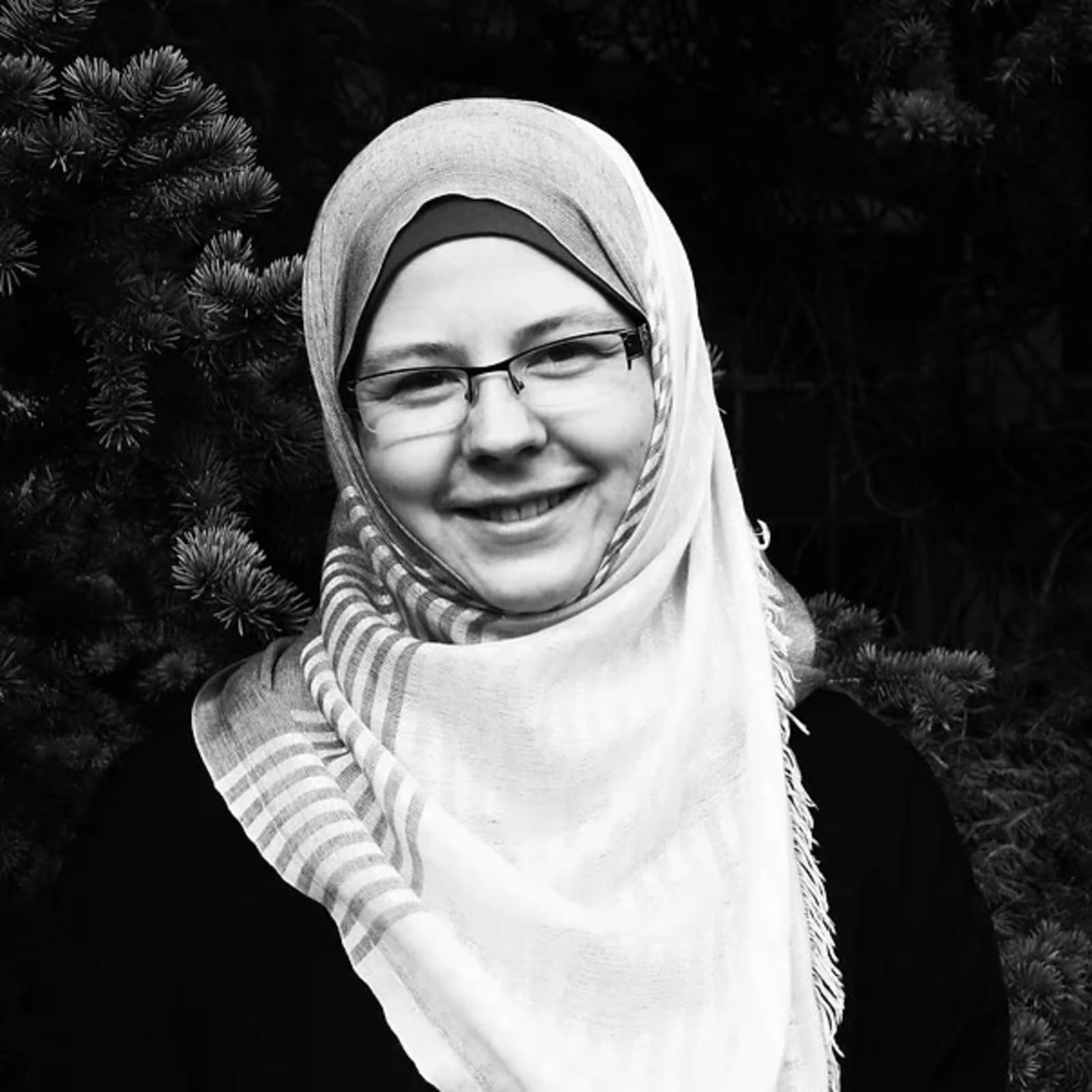
Melissa Wiederrecht is an American algorithmic generative artist who has lived and worked in Makkah, Saudi Arabia for the past decade. Trained in computer science, machine learning, and AI, she has been making generative art for over twenty years, since long before it had a name or an audience, and now exhibits internationally. She calls her work a "precise blur." Precise, because it is built entirely from mathematical code systems she writes herself. Blur, because what those systems produce is paradox, ambiguity, and in-betweenness. She works in the oscillation, the both/and: art that is extremely intentional yet overflowing with randomness, cold and mathematical yet emotionally moving, obviously a painting and obviously not, a single frozen frame and an infinite algorithm at once. Running through all of it is a bringing-together of traditional values and ancient forms with the most modern of media, code.
Melissa Wiederrecht has exhibited at the United Nations Headquarters, the Museum of the Moving Image, Gucci Art Space, Gazelli Art House, Art Dubai Digital, Art Blocks, and Feral File, among many others. Her work has also been showcased at prominent international venues and platforms, including HeK Basel, Unit London, GalerieData in Paris, Verse, VerticalCrypto Art (Berlin), and ArtRepublic Global during Miami Art Basel. Reflecting her impact on the digital art community, she was nominated for the Diversity Award at The Crypties by Decrypt Media in 2023.
Bakhoor Assandal II
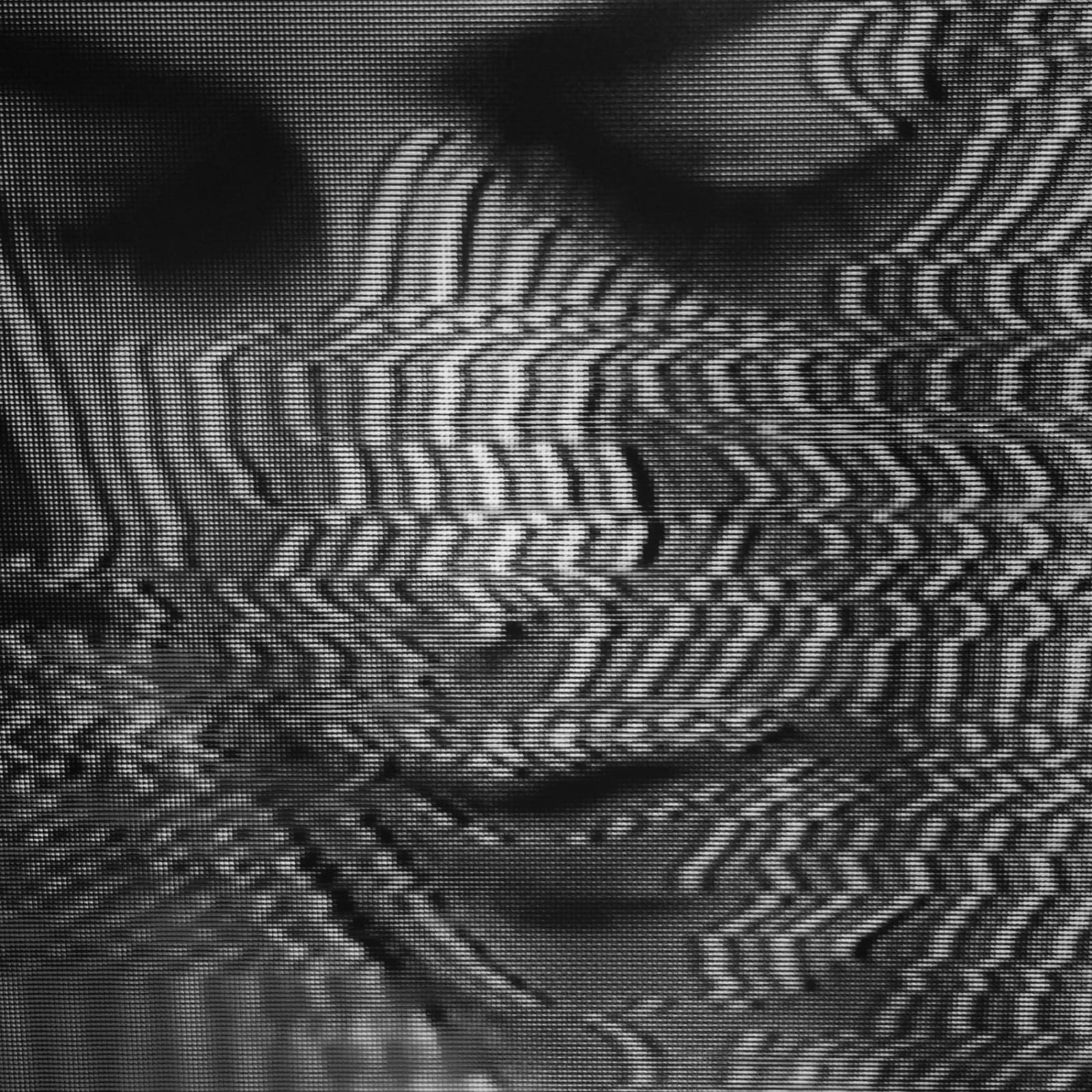
Bakhoor Assandal is the continuation of Sandaliya. Sandaliya was the sandalwood perfume, the oil; this is Bakhoor, the incense made from the same wood and burned on coals, the same substance gone up in smoke. Sandaliya was made in Sudan, in color and hope, while I worked to build a school there. Then, in April 2023, civil war ignited and my family was forced to flee Omdurman. This is what came after.
I said I won't forget Sudan.
I had no idea what that would mean.
That, for now, all we have left of our home in Sudan is our memories.
The broken system officially broke,
And the people took the broken roads right out of town.
Were the ladies dressed in bright colors and patterns as they escaped to the sound of bombing?
When a Sudanese home goes up in smoke does it smell like sandalwood incense?
Do the walls covered in hopeful graffiti still stand?
Does the mango tree still bear fruit, and does it remember our family?
Has the war reached the school we built? Do the walls still stand?
How many years will it be before the school system reopens?
Will the idea that a school would be used for ... school … be a mere memory of a good intention?
When the rebel army broke into our abandoned home,
Ransacked everything the Sudanese part of our family owns,
Then went upstairs, and found the beginnings of a learning center,
Intended to giving young bright Sudanese people a window into the world of blockchain and AI,
Any chance they didn't steal everything?
Or is our learning center ... a mere memory ... of a good intention?
When the rebel army chose to live in our abandoned home for a term,
Did they feel and sense our memory echoing off the walls?
If we are ever able to return, will we feel and sense the memory of them?
If my niece-in-law (who is two -- or maybe three now) has already forgotten the anthem,
and refers to the family home as the “house of shooting,”
what does that mean for the future of Sudan?
If all the displaced Sudanese people are able to hold onto their memories,
treasure them, and someday bring them back to Omdurman,
Can Sudan be regenerated ... like a forest after a wildfire ...
perhaps stronger and less broken than it was before?
The algorithm carries the same idea. Beneath an abstract, ever-shifting blur, blobs of color drift in the background that you never quite see, building layer by layer, each pixel in perpetual shift, never repeating its past form: a testament to life's relentless change. Like the ephemeral smoke of burning incense, we embrace the flow, knowing we will remember the scent. Bakhoor Assandal, like Sandaliya before it, explores my signature variable blur, here given a new dimension: the blur has direction, varying from pixel to pixel. The piece is overlaid on itself so the colors stay luminous rather than turning muddy where they merge, with my fiber-and-grain textures layered on top.
This is the Bakhoor Assandal algorithm, released as a series of 200 on Art Blocks Presents as part of ReGEN, a charitable auction of generative art for the Cure Alzheimer's Fund. These catalog works are distinct artist editions made with that same algorithm, not tokens from the minted series.
generative art
portrait
04:00
2023
More from Melissa Wiederrecht
More on digital art
Collections with the artist