Glimmer
Glimmer
- Video
- Photography
- Figurative
- Meditative
portrait
video
00:17
2023

Satori: Unleashed Passion - Horizontal
Ilan Derech

Unforgettable Nights | 忘れられない夜
Ilan Derech

Satori: La Metamorfosis - Vertical
Ilan Derech

Infinite
Ilan Derech

Satori: Spectrum - Horizontal
Ilan Derech

Blue Soul | 青い魂
Ilan Derech

White Flower
Ilan Derech
Glimmer
Ilan Derech
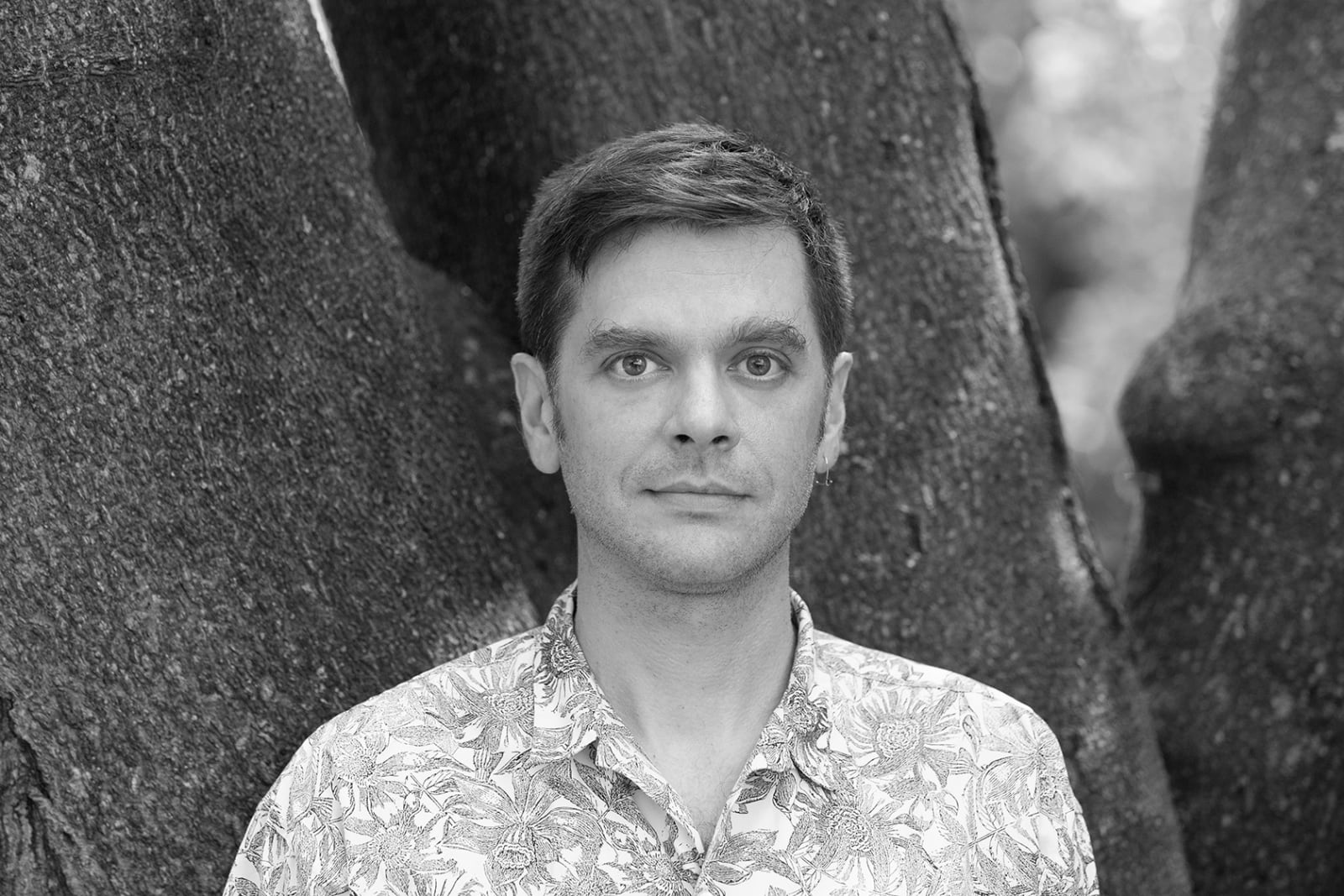
Born in Mexico City in 1990, Ilan Derech trained on the fringes of traditional cinema, in the worlds of animation, 3D design, and generative coding, before photography and video came to give his vision a new emotional texture. This dual background has shaped a visual language in which the precision of digital abstraction serves the poetry of reality. He approaches filmmaking as one might write a haiku: he captures scenes that unfold in silence and stillness, blending natural light, ambient sound, and spontaneous street encounters to create images that are at once composed and accidental, cinematic and intimate. Deeply influenced by wabi-sabi, ukiyo-e, and the bittersweet beauty of impermanence, he finds his visual material in the fleeting scenes of everyday life: petals falling from a sakura tree, transparent umbrellas in the neon rain, a stranger’s fleeting glance, snow falling in silence. The passing of his father, followed by his move to Tokyo in 2020, a year marked by the pandemic, transformed his perspective and infused his work with a new intimacy, prioritizing presence over perfection and emotion over narrative, while allowing silence, light, and negative space to compose his images.
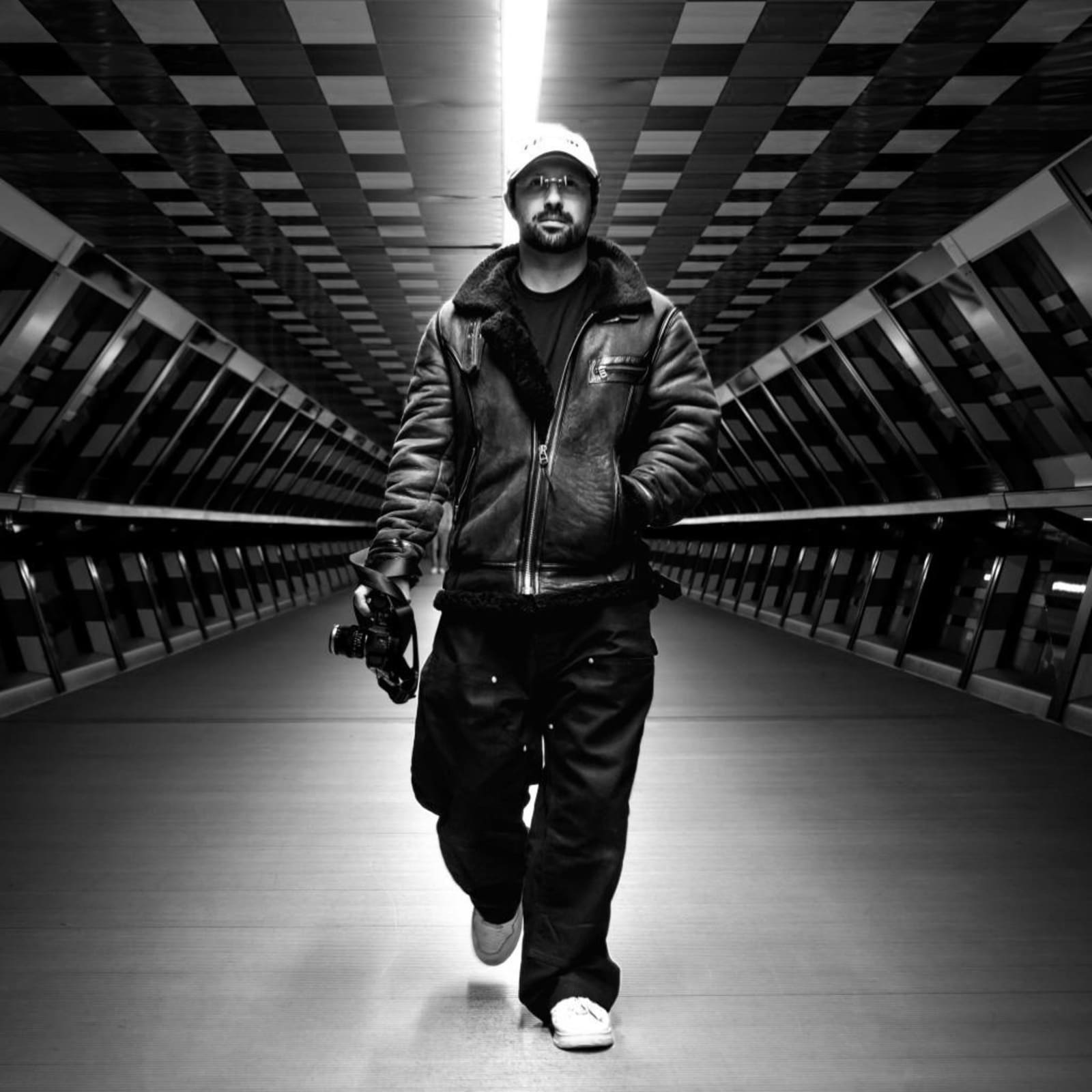
Ilan Derech’s work has been featured on major digital art platforms such as SuperRare, Foundation, and OpenSea, where it has been praised for its cinematic sensibility, and his works have been included in international exhibitions and auctions, solidifying his place on the contemporary art scene. He collaborated with ZEISS on the Capturing Mobility project, a poetic exploration of nocturnal movement in London captured through ZEISS ZM lenses. His video installations were notably shown at the Non Fungible Conference in Lisbon in 2024, where his entire body of work was projected as a video mapping display onto the walls of the Pavilhão Carlos Lopes.
Glimmer
Glimmering lanterns,
Japanese night festival,
Joy in darkness shines.
In the hushed embrace of a Japanese night, Amidst the lanterns' soft and golden light, A summer festival comes alive with glimmer, Where dreams and wonder gleam and shimmer.
The yukatas sway like blooming flowers, In the breeze that whispers through the hours, As paper lanterns dance in graceful flight, Painting the darkness with hues so bright.
The scent of yakitori fills the air, And laughter weaves its magic everywhere, With joyous hearts and spirits unencumbered, Under the moon's watch, the night is numbered.
In this enchanting realm of festal delight, The soul finds solace and the heart takes flight, For in each glimmer, a moment's delight, In Japanese summer nights, memories alight.
Each section of the artwork holds its very own meaning.
The top panel reflects the history, showcasing a Nebuta (giant warrior-shaped paper lantern) symbolizing pride and Summer in Japan.
The central panel portrays dreams through three layers:
Moon - represented the silhouette of a girl in a kimono standing in front of a traditional circular rice paper window.
Joy - Fireworks launched during the festivals. Meticulously placed to fit into the girl’s silhouette to depict her joy for the Summer days.
Stars - Tokyo's nighttime cityscape, the background layer that through glimmering city lights emulates stars in the night sky.
The lower panel represents the souls, with hundreds of lamps illuminating the path where endless silhouettes perpetually walk, akin to the concept of "glimmer."
video
portrait
00:17
2023
More from Ilan Derech
More on digital art
Collections with the artist