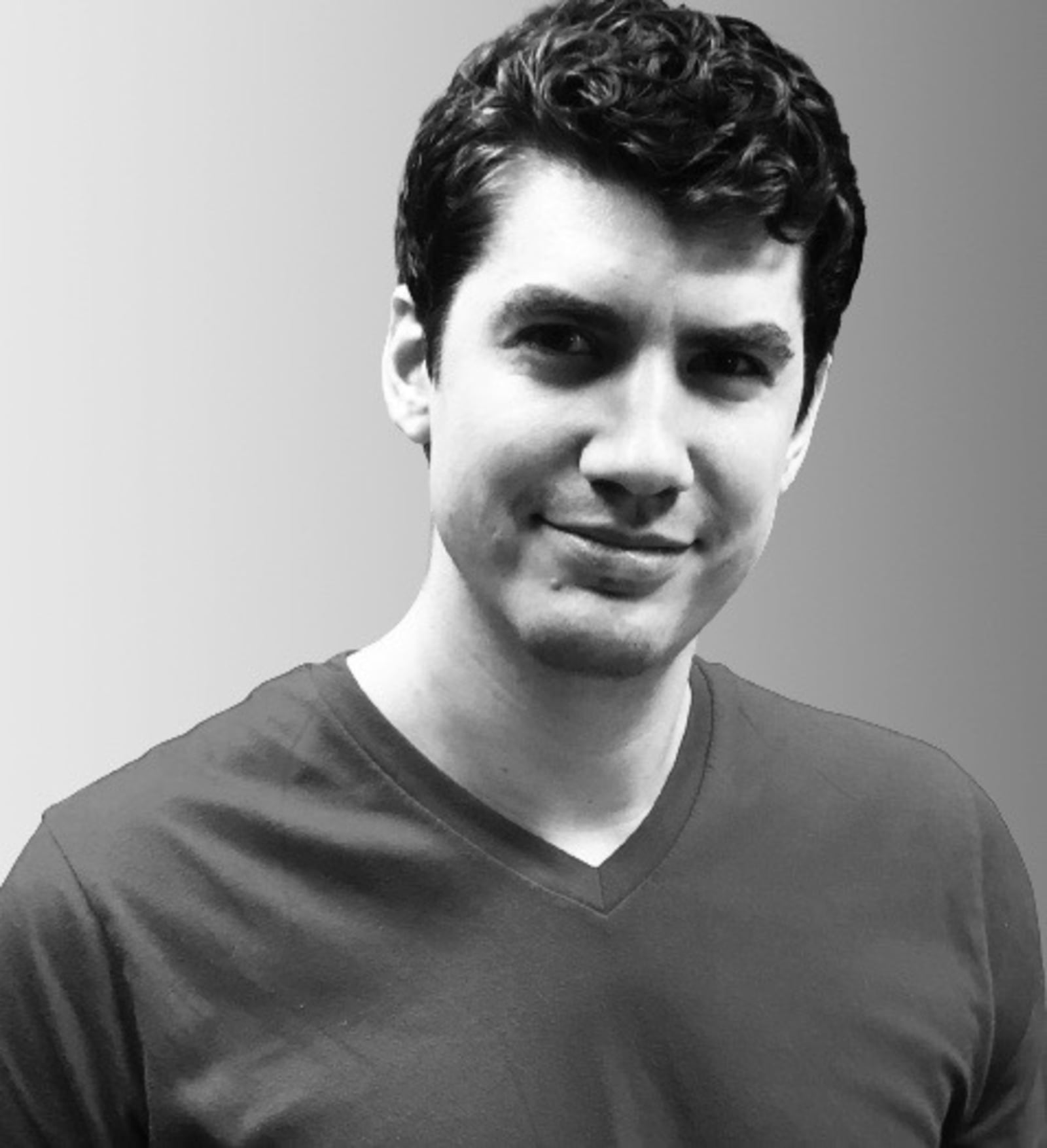
Markos Kay

Cyprus

Markos R. Kay (né Christodoulou) is a multidisciplinary artist and director with a focus in art & science and generative art. He is best known for the artificial-life video art experiment aDiatomea (2008), first exhibited at Ernst Haeckel's Phyletic Museum, the generative short film The Flow (2011), shown worldwide, and the series of particle simulation paintings Quantum Fluctuations (2016), now part of the Fidelity Art Collection. His art and design practice ranges from screen-based media to print and has been featured in museums, exhibitions, festivals, and publications such as the ArtScience Museum, Museum of Contemporary Digital Art, Bill and Melinda Gates Foundation, Ars Electronica, National Geographic, Wired and VICE.


His work can be described as an ongoing exploration of digital abstraction through experimentation with generative methods. His experiments often explore the complexity of the invisible and mysterious worlds of molecular biology and particle physics. A major theme in his work is the computational paradigm of the natural sciences as seen in the relationship between scientific observation, simulation and visualisation. He has worked with various scientific, government and art organizations including: MIT, Belfast City, European Parliament, Howard Hughes Medical institute, Simons Foundation, National Hemophilia Foundation, and Playgrounds Design Festival. He has also worked with commercial clients such as: Apple, Fox, Disney, Nike, Adidas, Maserati, Ford, MTV, Nvidia, BBC, Vimeo, Warner Bros and Channel 4.


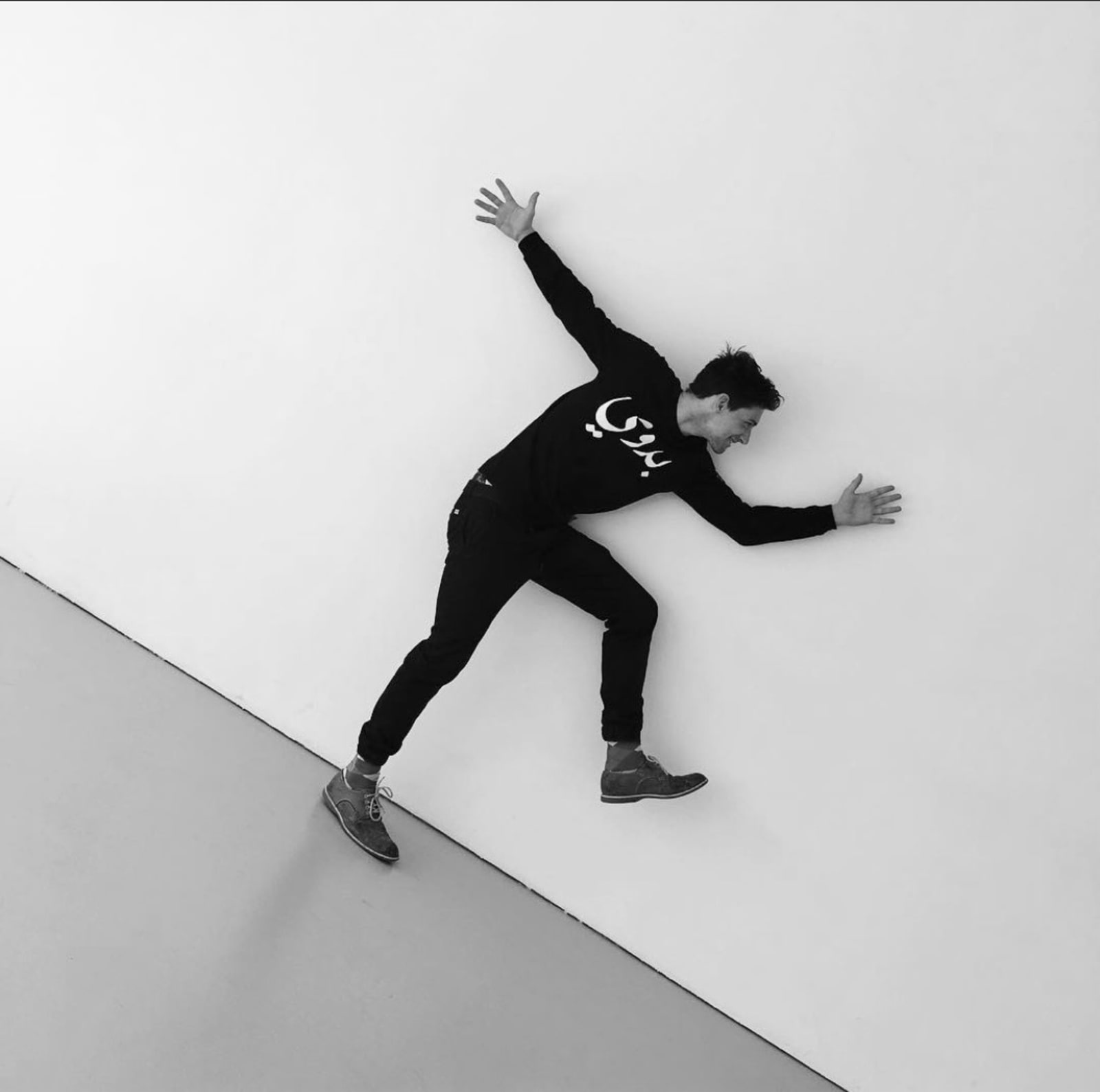
m24_markoskay_photo_portrait_web-modified.jpg

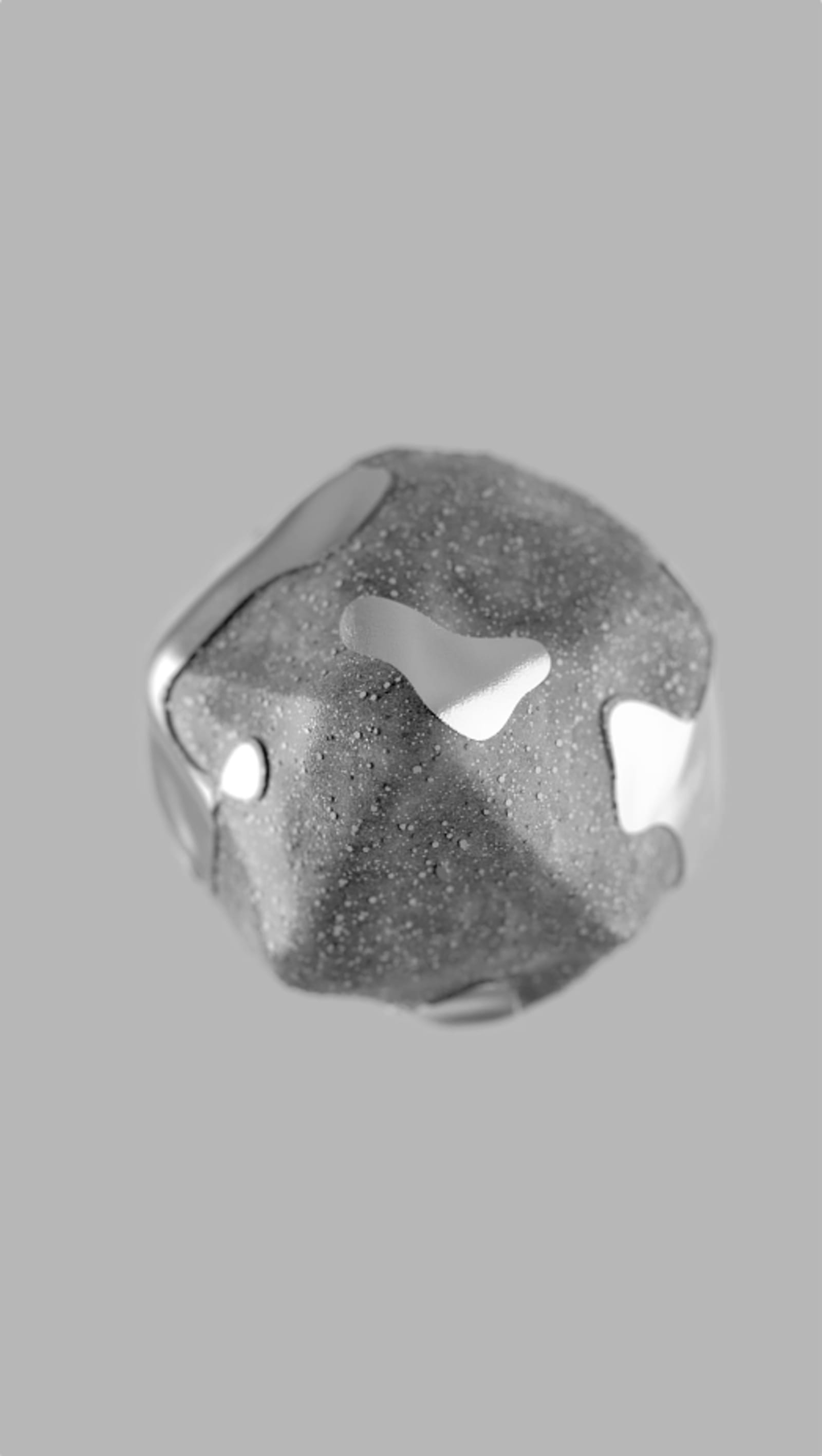
aBioGenesis - Horizontal

aBioGenesis_-_Horizontal_Markos_Kay_AI.mp4

Abiogenesis is the study of how life originated on Earth. It is a complex and mysterious subject, and scientists have proposed many different theories to try to understand how life first emerged.


Presented here is a conceptual reimagining of the "lipid world" theory which postulates that life originated from lipids forming membranes which would then envelop matter and nutrients to form protocells. Biological cells as we now know them can be thought of us membranes within membranes.


Soundscape by Jesse Solomon Clark

technique

ai

format

landscape

duration

00:57

year

2022

WANT TO BRING ART INTO YOUR SPACE?

More from Markos Kay

More on digital art

Generative art
Generative art refers to a way of creating artworks using an autonomous system. In digital art, these are usually generated from code and algorithms created by the artist, often with certain predefined parameters or systems. Although these parameters guide the final outcome of the work, generative art is generally a surprising way to create artworks, as the results are often unexpected and the number of possible outcomes can be infinite.
AI
AI art is a branch of generative art that uses artificial intelligence. Unlike other generative artworks, AI artworks use specific complex algorithms and models derived from machine learning. The most common methods for creating AI art today are GANs (generative adversarial networks) or proprietary prompting platforms such as ChatGPT, Sora, Midjourney, or Dall-e.
3D
3D art uses 3D software such as Blender, Cinema4D, Houdini, or video game software such as Unity to create works of art. In 3D works, artists can either arrange assets (the 'objects' in a 3D artwork or world) that they have created themselves or purchased from other creators to create elaborate environments and scenes (an approach to 3D art called 'set dressing'), or specialize in sculpting, which involves creating their own objects and assets.
Photogrammetry
Photogrammetry is a specialized 3D technique that allows 3D objects to be created from numerous photographs taken of an object or scene from multiple angles. These photos are then compiled to determine the specific positioning, shape, and dimensions of the object in space, and then converted into a 3D model. Initially developed for engineering and urban planning, photogrammetry has become a way for artists to produce extremely accurate 3D models from real-life images.
Collage
An extension of the traditional, plastic approach to collage, digital collage involves searching for and cutting out multiple images, extracting them from their original context, and recomposing them in a new arrangement to create a work of art. Artists can use their own photographs or find images on the internet.
Illustration
Digital illustrations are created using software such as Adobe Illustrator, Photoshop, or Procreate. As with drawing on paper, the artist uses a stylus to sketch a figure or object, usually on a tablet, to construct a scene or artistic universe. Unlike traditional drawing methods, digital illustration is much more forgiving, as mistakes can be easily corrected and drawn elements and objects can be easily moved around within a scene.
Video
Video artworks primarily use a recording camera, but may sometimes include additional post-processing or editing to distort, modify or add additional elements to the image. Some artists use state-of-the-art recording equipment to create macro zoom-ins or time lapses, privileging fidelity to the subject matter. Others use additional softwares to significantly modify or warp the video, creating an alternative perspective on the world that surrounds us.

Collections with the artist

  • Firewheel_Mia_Forrest_Video.mp4
    Bloom
    128 artworks
  • Aranea_Rosa_Andréa_Philippon_3D.mp4
  • Pulpy_Caterpillar_Lena_Charobay_3D.mp4
  • +500
    artists
    View more
    +10k
    artworks
    View more

    Where did you scan from

    RATE YOUR EXPERIENCE