(loop (format t "~%")) ;Osfp2-4
(loop (format t "~%")) ;Osfp2-4
- Video
- AI
- Nature
portrait
video
01:09
2025
(loop (format t "~%")) ;Osfp2-4
nouseskou

int main(){for(;;);} // osfp3-9
nouseskou

int main(){for(;;);} // osf7
nouseskou

(loop (format t "~%")) ;Osfp2-3
nouseskou

int main(){for(;;);} // osfp3-5
nouseskou

int main(){for(;;);} // osfp3-3
nouseskou

(loop (format t "~%")) ;Osfp2-2
nouseskou
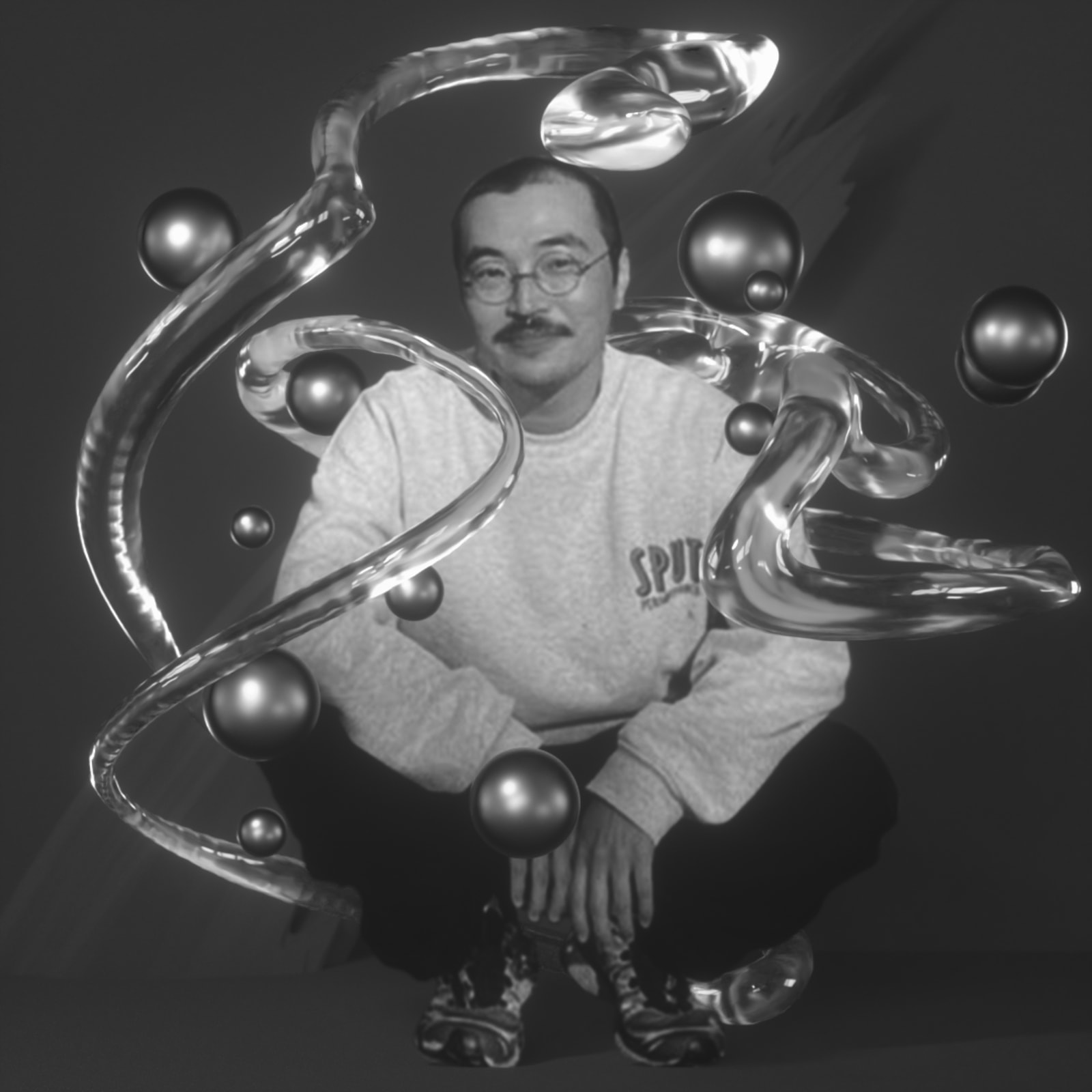
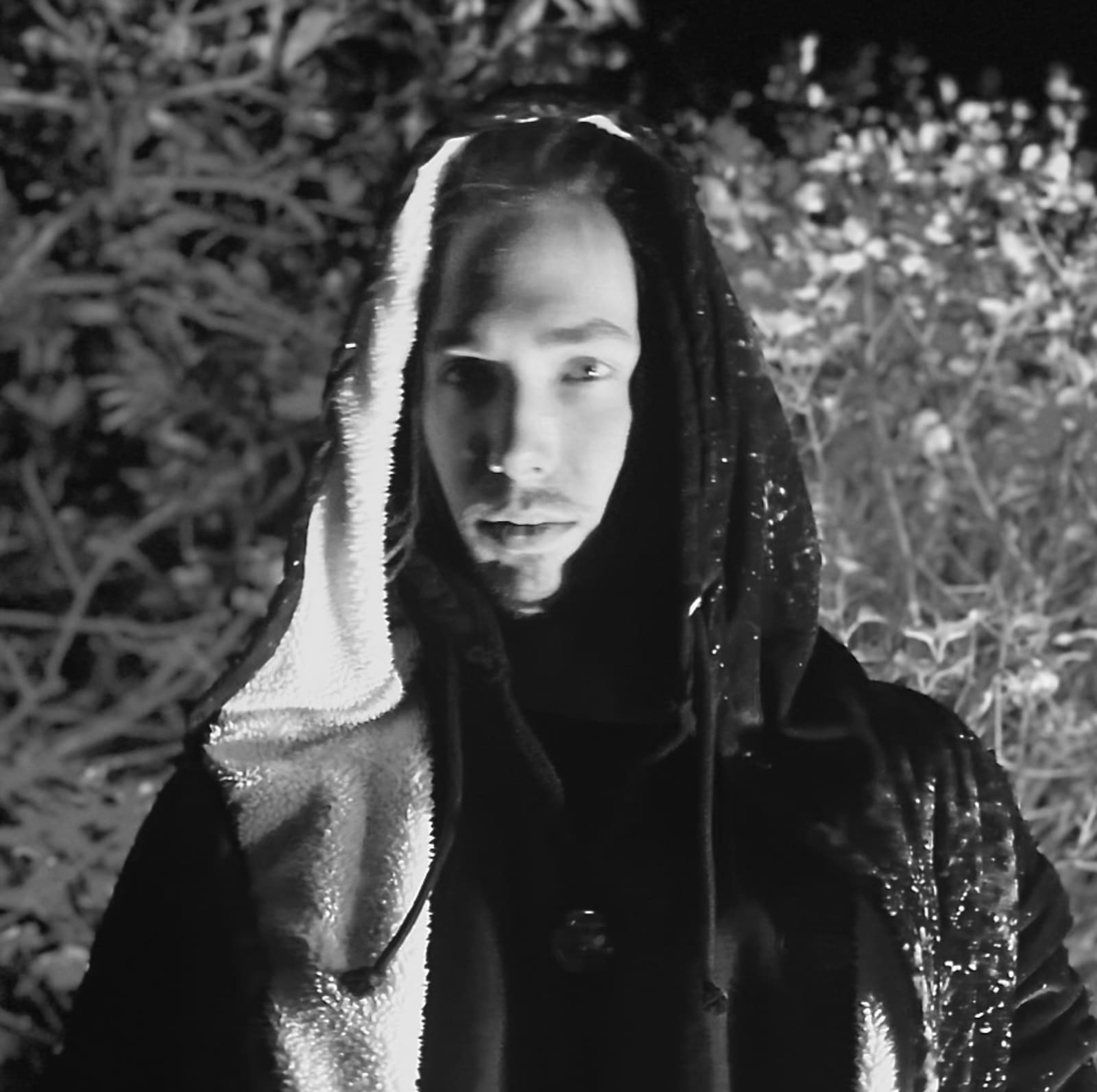
Kou Yamamoto (aka nouseskou) was born from Kyoto's underground hip hop culture. As the founder of the dance team nouses, he has developed a practice blending street dance and contemporary art, while creating his own sound works using methods of Musique Concrète and giving rise to a unique choreographic genre he calls concrete. His practice crosses dance, video, installation, and NFTs. Inspired by TouchDesigner, he also develops digital artworks exploring the relationship between technology and the body. His work draws strongly from the quiet presence of Kyoto's nature and shrines, and is rooted in the influence of the 1970s Japanese Mono-ha movement. Kou's artistic practice explores the relationship to space, body, and perception in their most unstructured state: before form stabilizes. In his work, selections of forms that emerge within a specific space, a specific time, and a specific body become fixed as irreversible traces: not decisions, but sedimented surfaces of innumerable sensations and possibilities that were not chosen. Interactions among technology, nature, and the body do not converge into a unified whole, but coexist while each maintains its own structural integrity, resembling forms of equilibrium observed in microbial communities or plant interactions, neither dependency nor domination. The visualized image is merely the surface of these mutual interferences; beneath it, unformalized sensations continue to resonate quietly.
Kou Yamamoto has performed in the finals of both world street dance and world contemporary dance championships, and has presented work in Switzerland and France. His artistic collaborations include dancers and choreographers such as Shintaro Oue, Tomohiko Tsujimoto, Hiroaki Umeda, Shintaro Hirahara, Ruri Mito, and Mirai Moriyama. Notable projects include the choreography and dramaturgy of the Kiyomizu-dera dedication performance Re:Incarnation directed by Mirai Moriyama (2021), the choreography for the music video Passion / composed by Marihiko Hara (2020), and a performance at the Mori Art Museum during Chiharu Shiota's exhibition The Soul Trembles (2019). He also contributed to the Cabinet Office JST Moonshot R&D Program (2021) and performed on The Super Tour of MISIA (2018). Kou has also collaborated with THE NORTH FACE on a video and dance performance around the Mountain Jacket (2025), Panasonic Connect for an installation video (2024), Goldwin for a brand video (2024), adidas Y-3 as a model (2023), and was featured in ELLE Kazakhstan with a music contribution (2024). In competition, he placed 2nd at Osaka Dance Delight Vol.40 (2025) and Vol.33 (2017), and 3rd at Vol.31 (2015).
(loop (format t "~%")) ;Osfp2-4
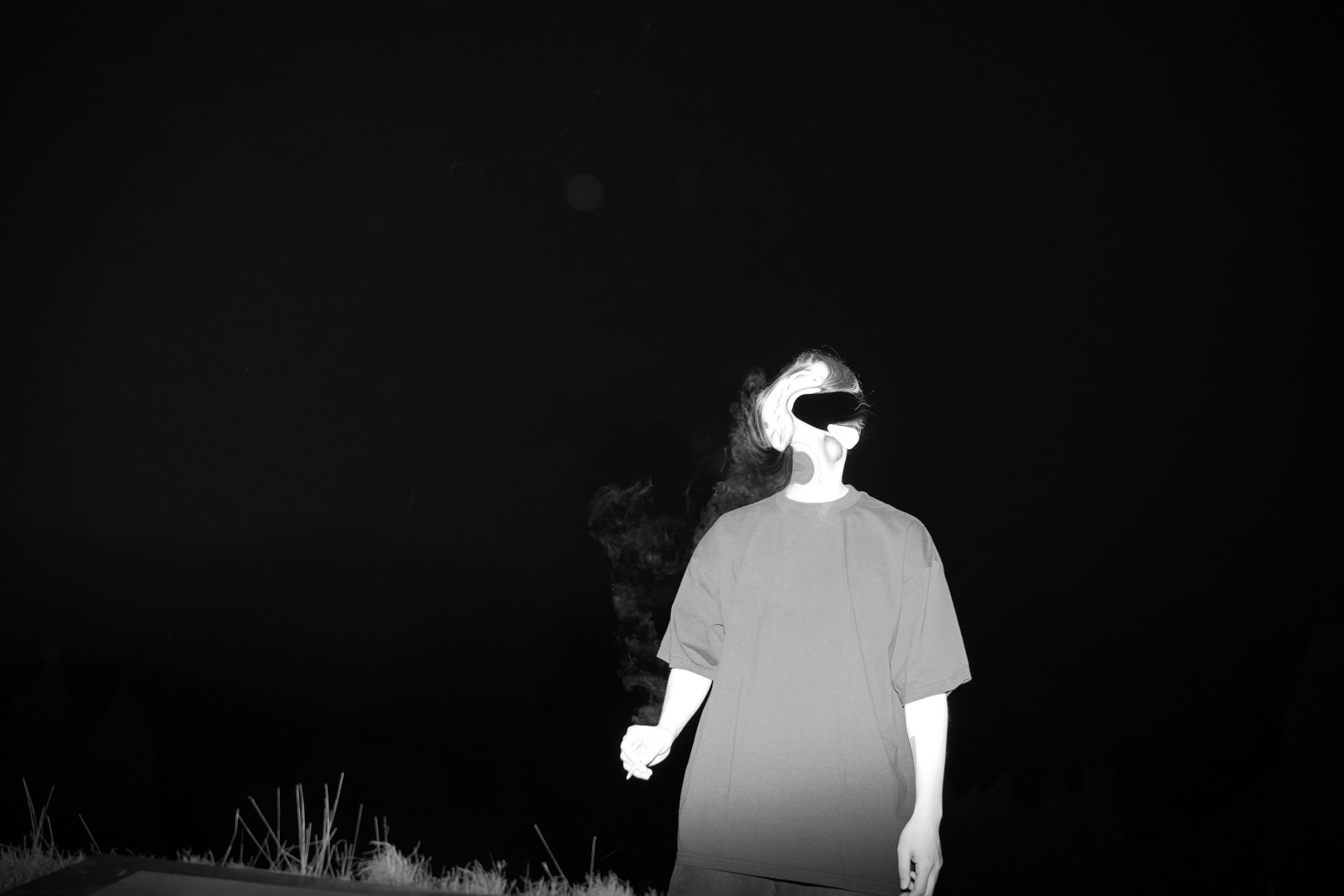
Technology, nature, and the body, as systems of different orders, do not converge into a unified whole. Instead, they coexist while maintaining their own structural integrity. Their relationship resembles forms of equilibrium observed in microbial or plant interactions: neither dependency nor domination. While mutually influencing one another, each element sustains its own internal order.
Such relations function as an open condition that resists reduction to a single meaning or structure. The visible image is merely the surface of these mutual interferences. Beneath it, unstructured sensations continue to resonate quietly, producing subtle shifts in the deeper layers of perception.
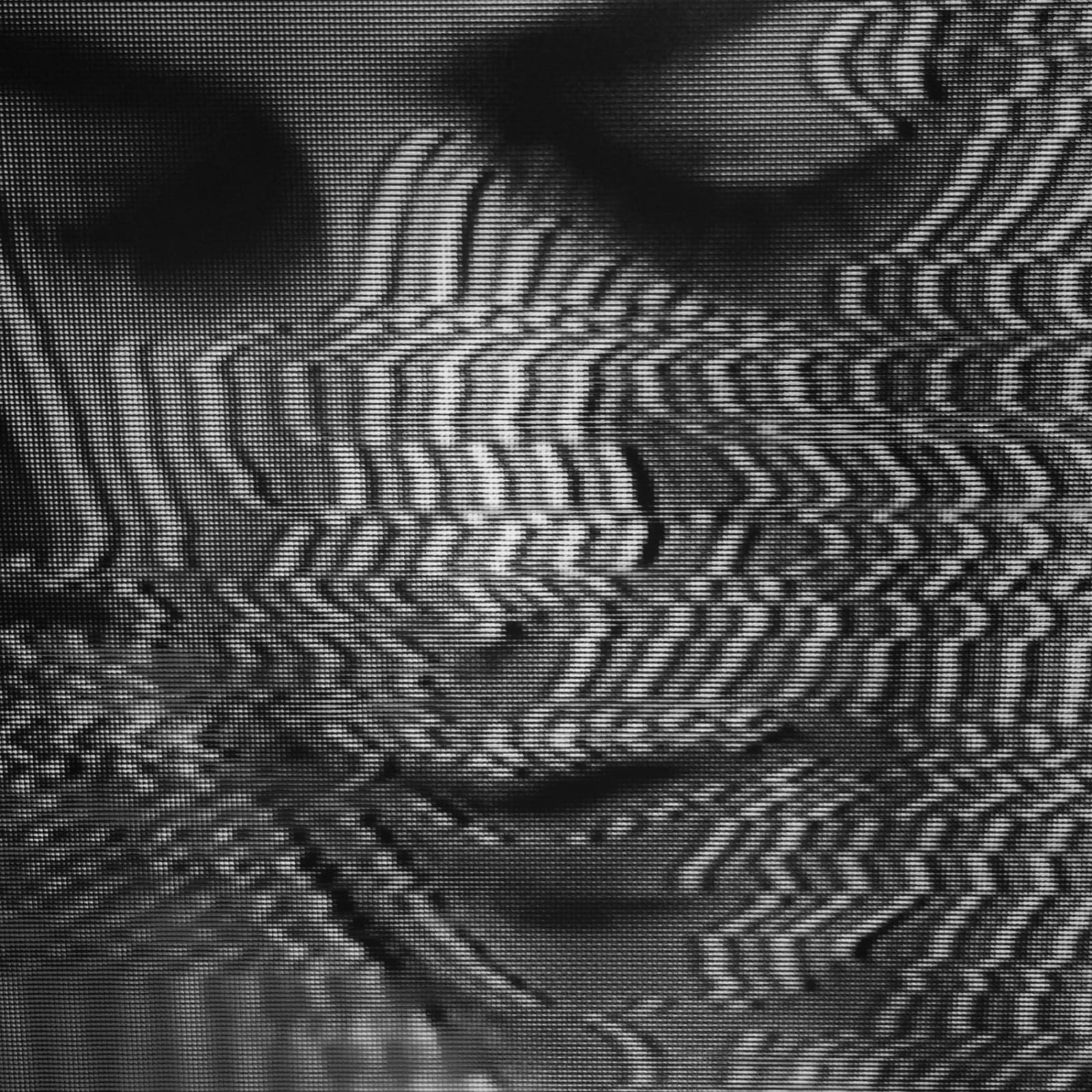
In this work, vegetal forms are translated into particulate movement. Rather than dissolving entirely, the plant remains present as a fluctuating field of points sustained through continuous feedback. The image oscillates between solidity and dispersion, as if growth were unfolding through repetition and return.
Feedback does not merely repeat the image; it thickens it. Layers accumulate, creating a temporal depth where particles carry traces of prior states while forming new arrangements in real time.
Technical elements : Particle Systems / Organic Motion Mapping / Layered Feedback Processes
video
portrait
01:09
2025
More from nouseskou
More on digital art
Collections with the artist