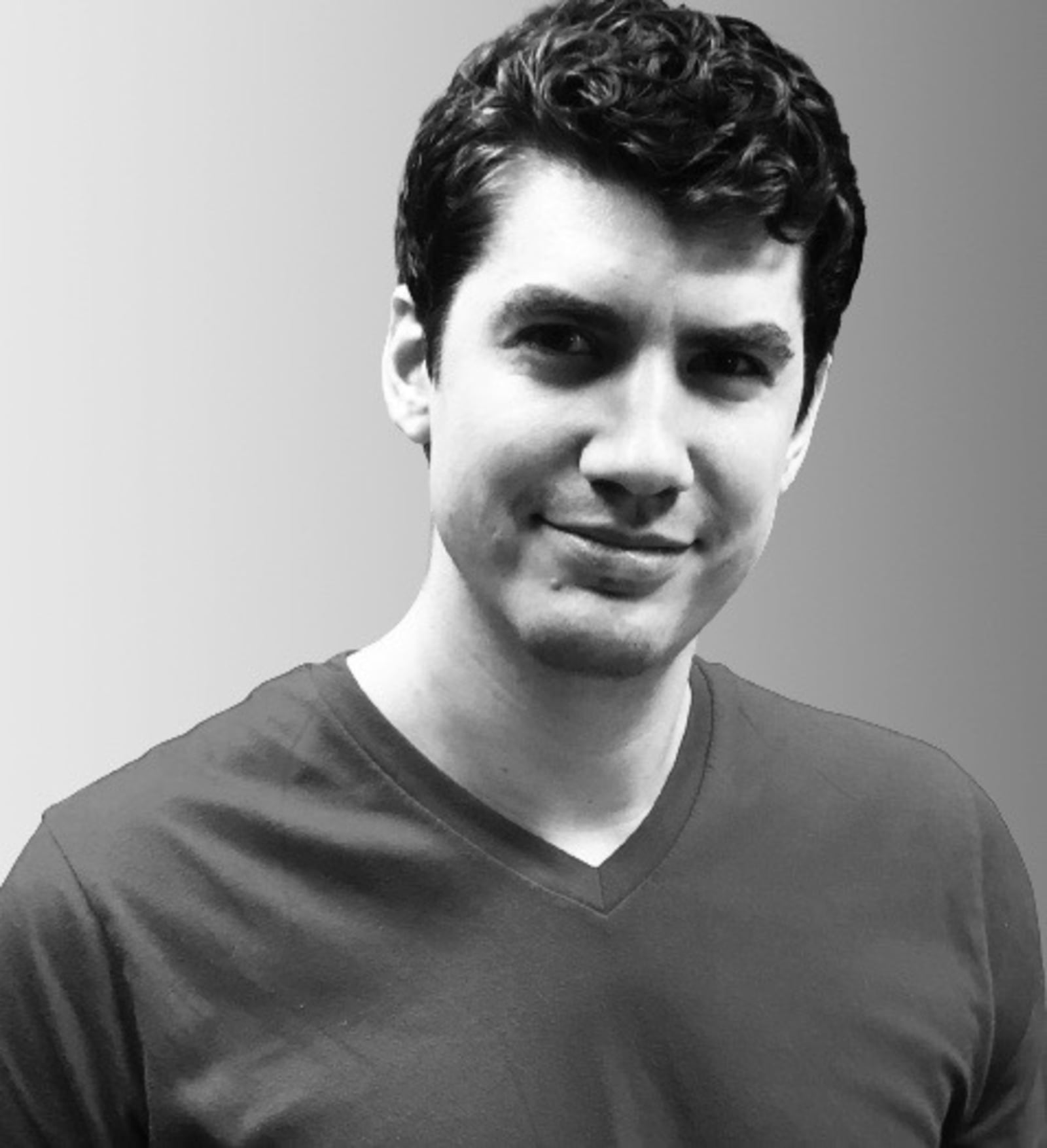
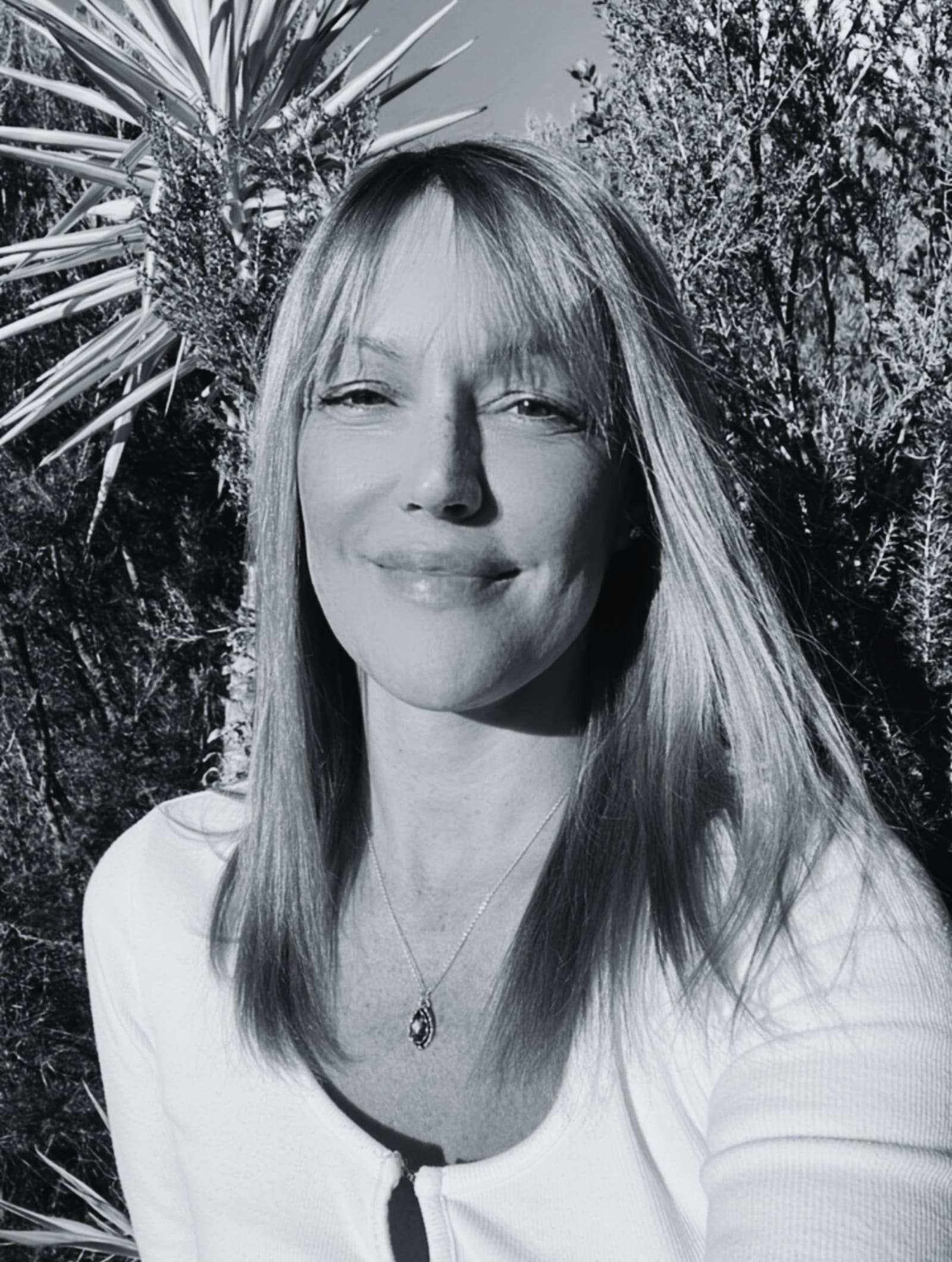
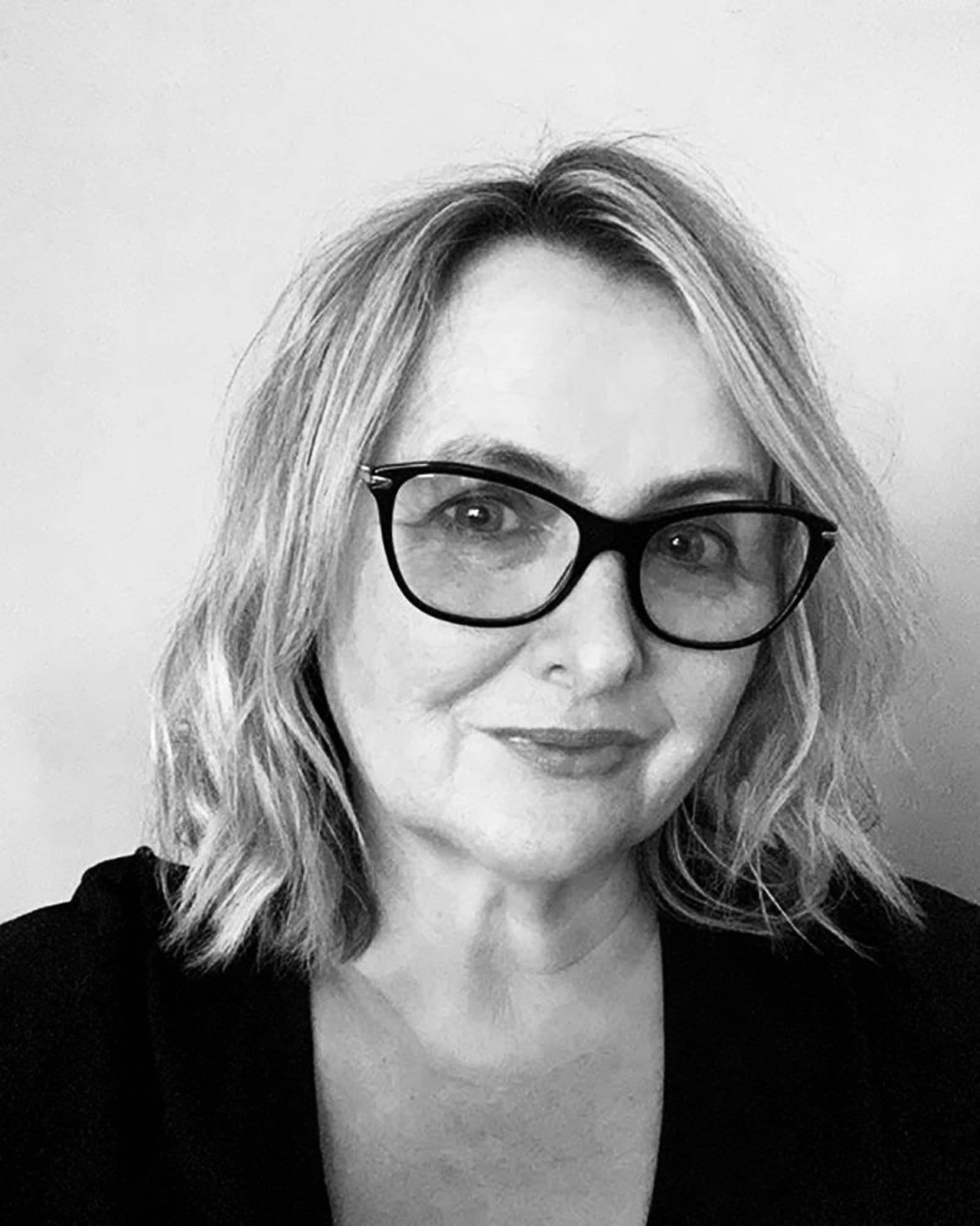
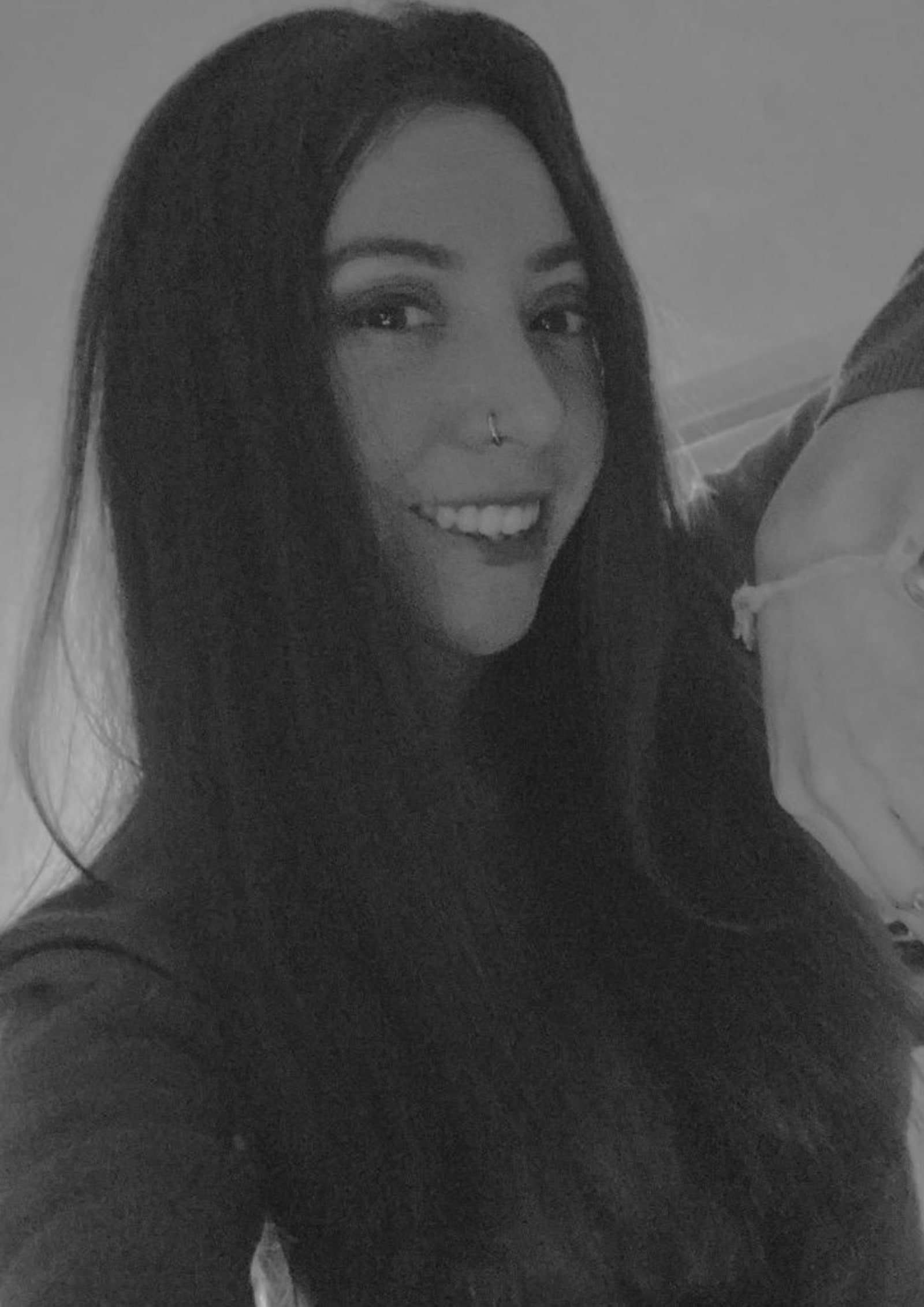
Kirsten Swensen

Netherlands

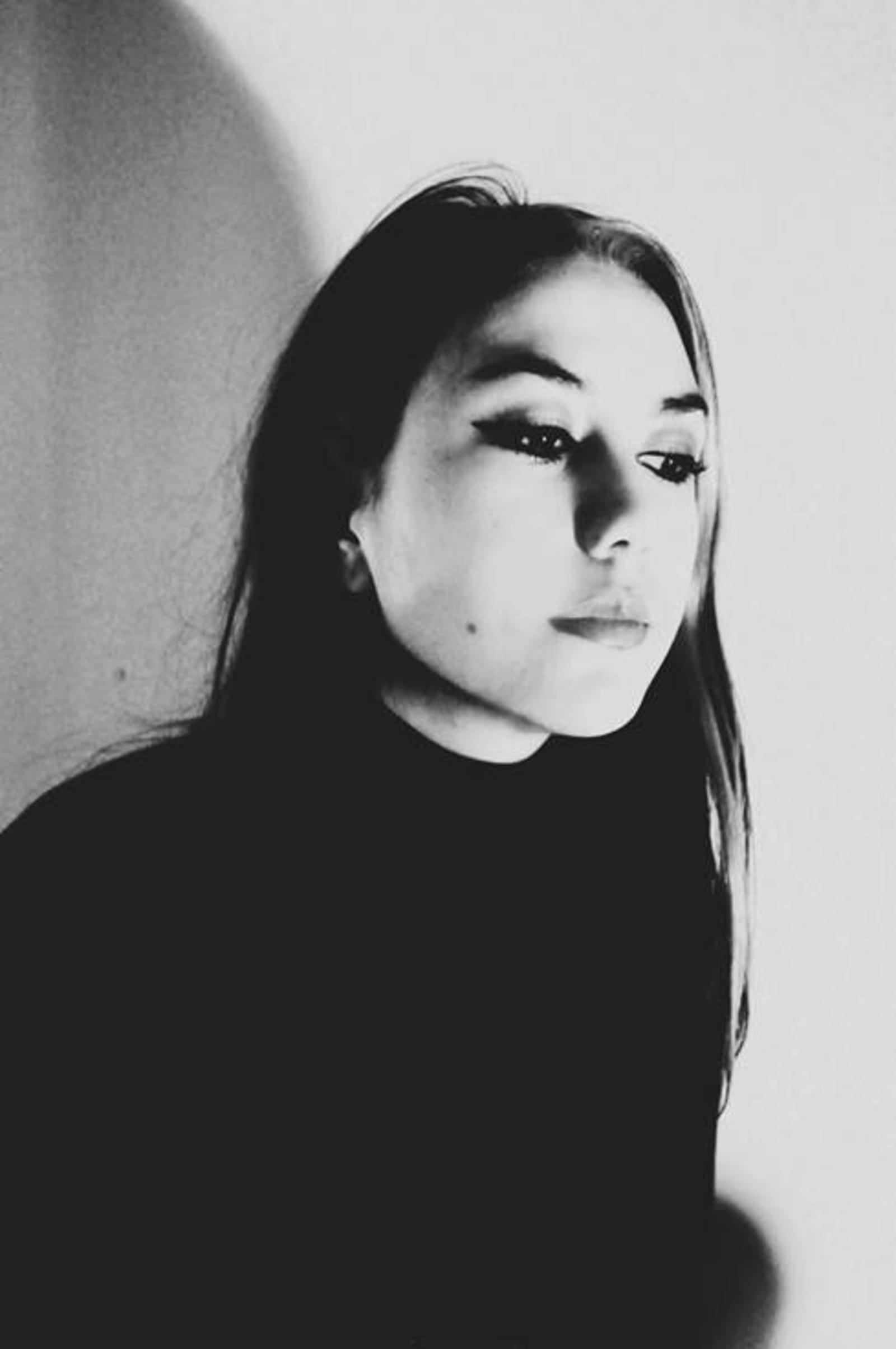
Kirsten Swensen is a digital media artist based in Amsterdam, exploring the intersection of consciousness, nature, and technology. Her immersive works—ranging from generative art to mixed reality installations—draw on themes of impermanence, introspection, and non-dualism. Shaped by a childhood immersed in games and computers, she works with code, data, game mechanics, and field recordings—using them both as input and inspiration for her generative and mixed reality installations. Her approach is shaped by the continuous flow of motion, reimagined through digital processes that create a connection between the figurative and the abstract often resulting in dreamlike ethereal realms. Using generative algorithms she creates shifting digital systems that mirror the complexities of the natural world. Drawing inspiration from her experiences with Vipassana meditation, she seeks to translate those contemplative qualities into her digital work—spaces that invite pause, reflection, and reconnection with self.

Rather than seeing technology as something that pulls us away from ourselves, Kirsten treats it as a tool for spiritual reconnection—building bridges between inner and outer worlds.

Her work has been performed and exhibited at institutions worldwide, including Nxt Museum, Rosewood Hotels, the Van Abbemuseum, MMMAD Festival, Sedition Art, Blinc Festival, Adelaide Festival, GLOW, Dutch Design Week, STRP Festival, DEMO Festival, and more.

Kirsten_Swensen_Generative_art.jpeg

Memento Natura #3 - Horizontal

Memento_Natura__3_Kirsten_Swensen_Generative_art.mp4
"Memento Natura" is a digital art series that brings nature to life in a new way. Created using real field recordings—alongside data like weather patterns, this piece uses a custom algorithm to translate all of that into ethereal shifting visuals.
technique

generative art

format

landscape

duration

01:57

year

0

WANT TO BRING ART INTO YOUR SPACE?

More from Kirsten Swensen

More on digital art

Generative art
Generative art refers to a way of creating artworks using an autonomous system. In digital art, these are usually generated from code and algorithms created by the artist, often with certain predefined parameters or systems. Although these parameters guide the final outcome of the work, generative art is generally a surprising way to create artworks, as the results are often unexpected and the number of possible outcomes can be infinite.
AI
AI art is a branch of generative art that uses artificial intelligence. Unlike other generative artworks, AI artworks use specific complex algorithms and models derived from machine learning. The most common methods for creating AI art today are GANs (generative adversarial networks) or proprietary prompting platforms such as ChatGPT, Sora, Midjourney, or Dall-e.
3D
3D art uses 3D software such as Blender, Cinema4D, Houdini, or video game software such as Unity to create works of art. In 3D works, artists can either arrange assets (the 'objects' in a 3D artwork or world) that they have created themselves or purchased from other creators to create elaborate environments and scenes (an approach to 3D art called 'set dressing'), or specialize in sculpting, which involves creating their own objects and assets.
Photogrammetry
Photogrammetry is a specialized 3D technique that allows 3D objects to be created from numerous photographs taken of an object or scene from multiple angles. These photos are then compiled to determine the specific positioning, shape, and dimensions of the object in space, and then converted into a 3D model. Initially developed for engineering and urban planning, photogrammetry has become a way for artists to produce extremely accurate 3D models from real-life images.
Collage
An extension of the traditional, plastic approach to collage, digital collage involves searching for and cutting out multiple images, extracting them from their original context, and recomposing them in a new arrangement to create a work of art. Artists can use their own photographs or find images on the internet.
Illustration
Digital illustrations are created using software such as Adobe Illustrator, Photoshop, or Procreate. As with drawing on paper, the artist uses a stylus to sketch a figure or object, usually on a tablet, to construct a scene or artistic universe. Unlike traditional drawing methods, digital illustration is much more forgiving, as mistakes can be easily corrected and drawn elements and objects can be easily moved around within a scene.
Video
Video artworks primarily use a recording camera, but may sometimes include additional post-processing or editing to distort, modify or add additional elements to the image. Some artists use state-of-the-art recording equipment to create macro zoom-ins or time lapses, privileging fidelity to the subject matter. Others use additional softwares to significantly modify or warp the video, creating an alternative perspective on the world that surrounds us.

Collections with the artist

  • Firewheel_Mia_Forrest_Video.mp4
    Bloom
    128 artworks
  • Blue_Andrei_Stan_Collage.mp4
  • Wisdom_is_the_key_to_happiness_Andrei_Stan_Collage.mp4
  • +500
    artists
    View more
    +10k
    artworks
    View more

    Where did you scan from

    RATE YOUR EXPERIENCE