Levitate
Levitate
- 3D
- Photography
- Nature
- Architecture
landscape
3d
00:20
2022

Harvest
Ryan Koopmans & Alice Wexell

Promises
Ryan Koopmans & Alice Wexell

Desire
Ryan Koopmans & Alice Wexell

Euphoria
Ryan Koopmans & Alice Wexell

Secrets
Ryan Koopmans & Alice Wexell

Remedy
Ryan Koopmans & Alice Wexell

Devotion
Ryan Koopmans & Alice Wexell

Hollow
Ryan Koopmans & Alice Wexell
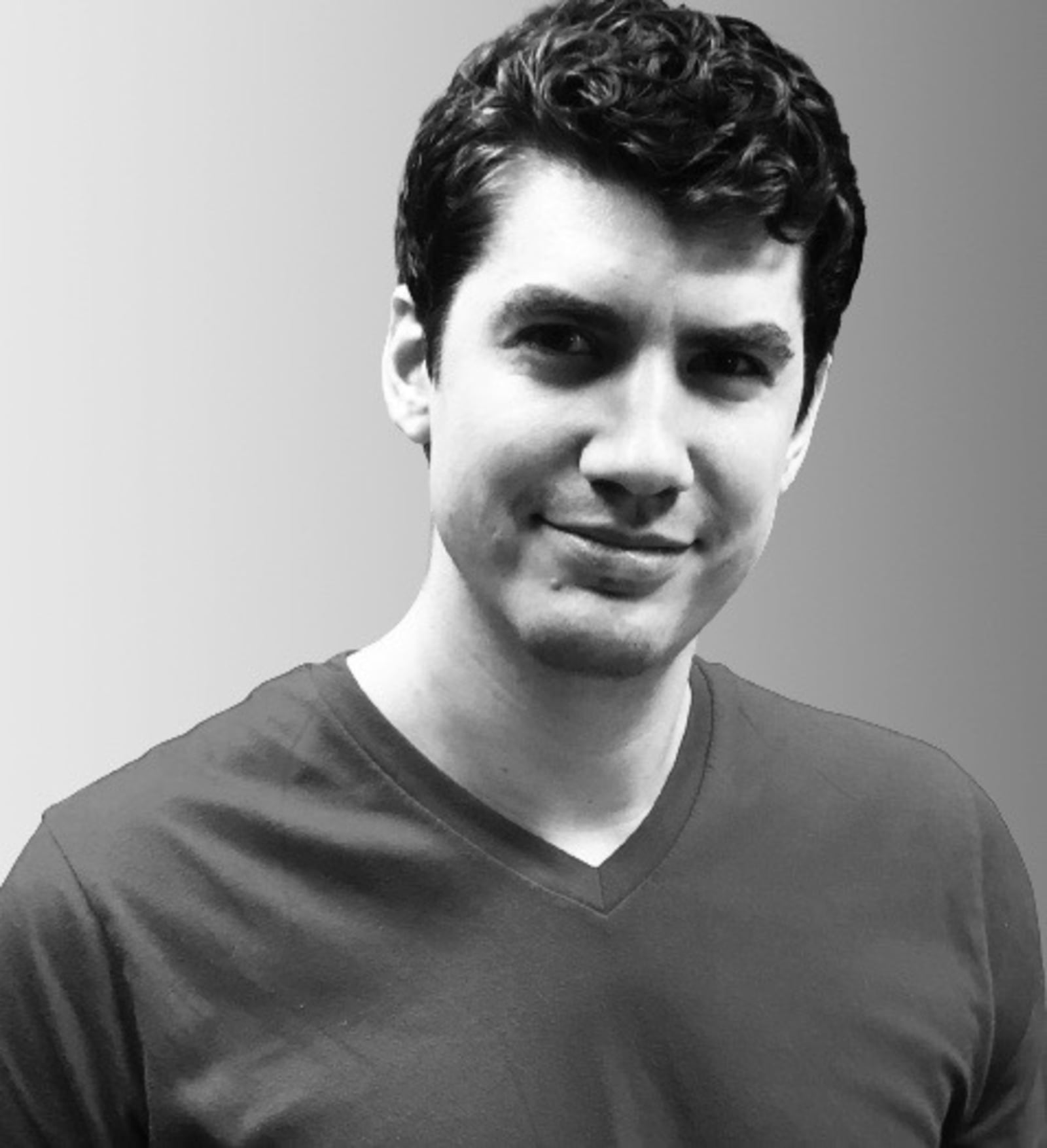
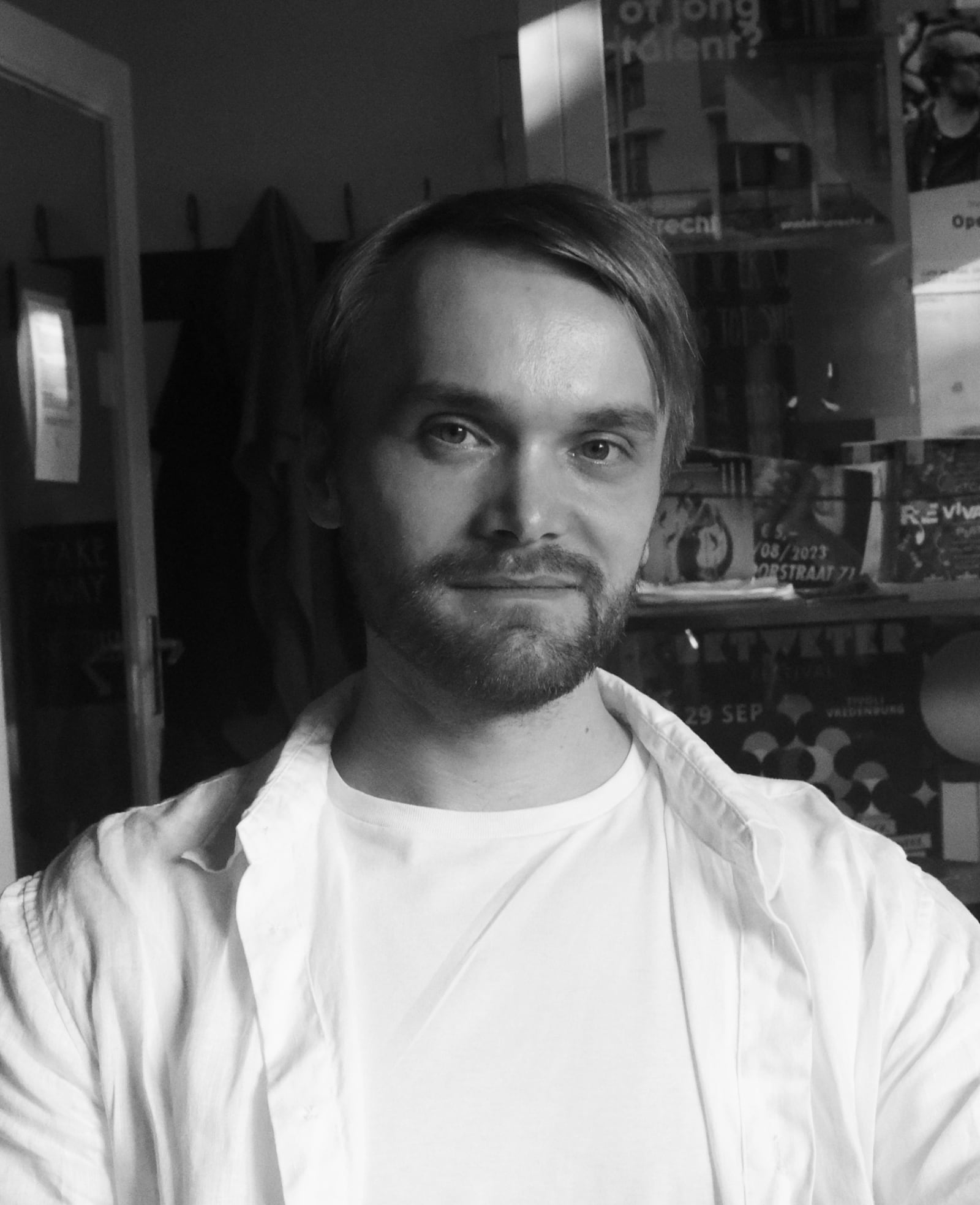
Ryan Koopmans (BA, MFA) and Alice Wexell are an artistic duo whose practice explores the intersections between architecture, nature, and collective memory. Ryan, born in Amsterdam in 1986 and raised on Vancouver Island, studied geography, art history, and psychology at the University of British Columbia before earning a master’s degree in photography, video, and related media at the School of Visual Arts in New York. Alice, based in Stockholm, honed her skills in animation and coding at Lund University in Sweden. Their collaboration combines Ryan’s photographic eye, fascinated by urban structures and their relationship with nature, with Alice’s digital expertise, driven by a passion for creating surreal environments through innovative technologies. Together, they transform abandoned spaces into animated works of art, where digital vegetation, light, and movement breathe new life into places steeped in history, creating a visual poetry that bridges the past and the future. Their flagship project, The Wild Within, launched in 2021, marked a turning point in their careers by reinventing forgotten buildings through a digital rebirth. Their approach, both conceptual and visually striking, has established them as leading figures in contemporary digital art.
Their works, exhibited from Beijing to Miami, including stops in Seoul, Stockholm, and Montreal, have been featured in prestigious institutions and galleries such as Christie’s, Sotheby’s, the Leila Heller Gallery, and the Swedish Pavilion, and highlighted in international media outlets such as Vogue, GQ Middle East, The National, and WIRED. Their work, collected by digital art funds and private collectors, has also been the subject of collaborations with renowned brands and institutions, such as Mercedes-Benz, BOTTO, and SuperRare.

Levitate
‘Levitate’ is part of the series ‘Everlasting’, a collection of digital artworks that bring new life into abandoned and historic buildings by combining photography with animation to create surreal, meditative, moving architectural spaces.
Over a period of several years, artists Ryan Koopmans and Alice Wexell travelled around the world exploring and photographing forsaken buildings and unique architectural sites. They were drawn to these locations based on the particular historical, cultural and architectural qualities of the place. From ancient temples in the mountains of Armenia, to elaborate abandoned theatres in the Middle East, the artists trekked to remote corners of the planet under strenuous conditions in order to find remarkable and unseen locations where their creativity could be applied. Once the architecture has been photographed, the images are then modelled into virtual environments and overgrown plant-life is introduced digitally. The lighting and structure is modified, a custom musical composition is added, and the photograph is transformed into a moving image that loops seamlessly. Furthermore, the piece ‘Levitate’ features an original score by composer Karl-David Larson.
The artist’s intentions are to revive these vacant spaces, essentially bringing life back into the buildings. They aim to transport the viewer into an alternate place and time, creating a surreal collision between the past and future as well as the merging of physical and digital worlds. Conceptually, the theme of preservation is compounded by the fact that some of the buildings depicted in the artworks have been demolished or continue to deteriorate, further emphasizing the theme of time passing in the cycle of growth and decay. The fusing of documentary-style photography with the imaginative potential of animation techniques results in a body of work that is captivating and meditative.
3d
landscape
00:20
2022
More from Ryan Koopmans & Alice Wexell
More on digital art
Collections with the artist