Fifth Generation_F2-GNS08, Once Upon a Garden: The Complete Archive
Fifth Generation_F2-GNS08, Once Upon a Garden: The Complete Archive
- AI
- Nature
- Fantasy
landscape
ai
00:42
2024

Fifth Generation_F6-GNS08, Once Upon a Garden: The Complete Archive
Linda Dounia

Unplanning - Vertical
Linda Dounia

Once Upon A Flower 1
Linda Dounia

Electric Blossom X2 - Vertical
Linda Dounia

Electric Blossom X3 - Vertical
Linda Dounia

Once Upon A Flower 6
Linda Dounia

Once Upon A Garden: E (6 PM - 8 PM)
Linda Dounia

Once Upon A Flower 7
Linda Dounia
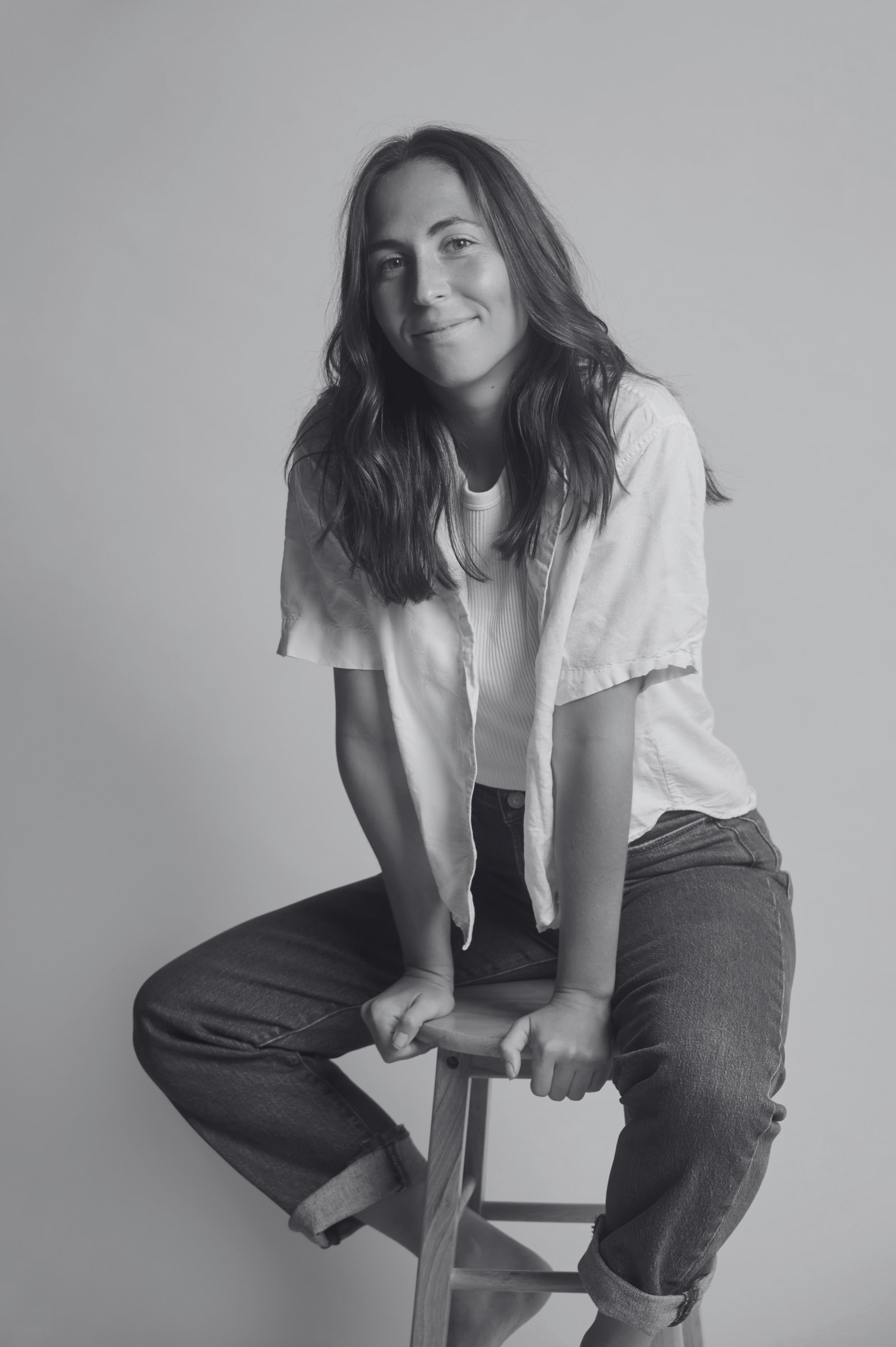
Linda Dounia is a Senegalese-Lebanese experimental artist, designer, writer, and curator. Her work examines the philosophical and environmental implications of techno-capitalism and how it reinforces systems of inequality. Her practice is part of a process of inner decolonization, which aims to untangle the fragmented and exclusive narratives associated with her identity by imagining alternative futures. Her works take shape in a liminal space between the immaterial and the material, combining analog and digital media. Her process is built on the tension between lived experience, code, and artificial intelligence, and advocates for greater agency in the face of algorithms, both in how we perceive them and how they perceive us. As a designer, she is interested in how technology can fairly represent and empower people. She has led design teams that use games, co-creation, and prototyping with communities to better understand systemic inequalities and make technology more accessible.
Her work on speculative archiving, the creation of AI models that help us remember what has been lost, earned her a spot among the most influential figures in AI on the TIMEA100 list in 2023. In 2024, she also received Mozilla’s RISE25 Award for her work in the field of AI. Her works have been exhibited at Christie’s, Larsen Warner Gallery, Unit London, Art X Lagos, Partcours, Art Basel (Basel, Miami), the Dakar Biennale, Artsy NFT, Digital Art Fair Asia, and Art Dubai. More recently, she has been featured at prestigious events such as the 2025 Summit for Action on AI in Paris, the exhibition Le Monde Selon l’IA at the Jeu de Paume, and the Augmented Intelligence auction at Christie’s.

Fifth Generation_F2-GNS08, Once Upon a Garden: The Complete Archive
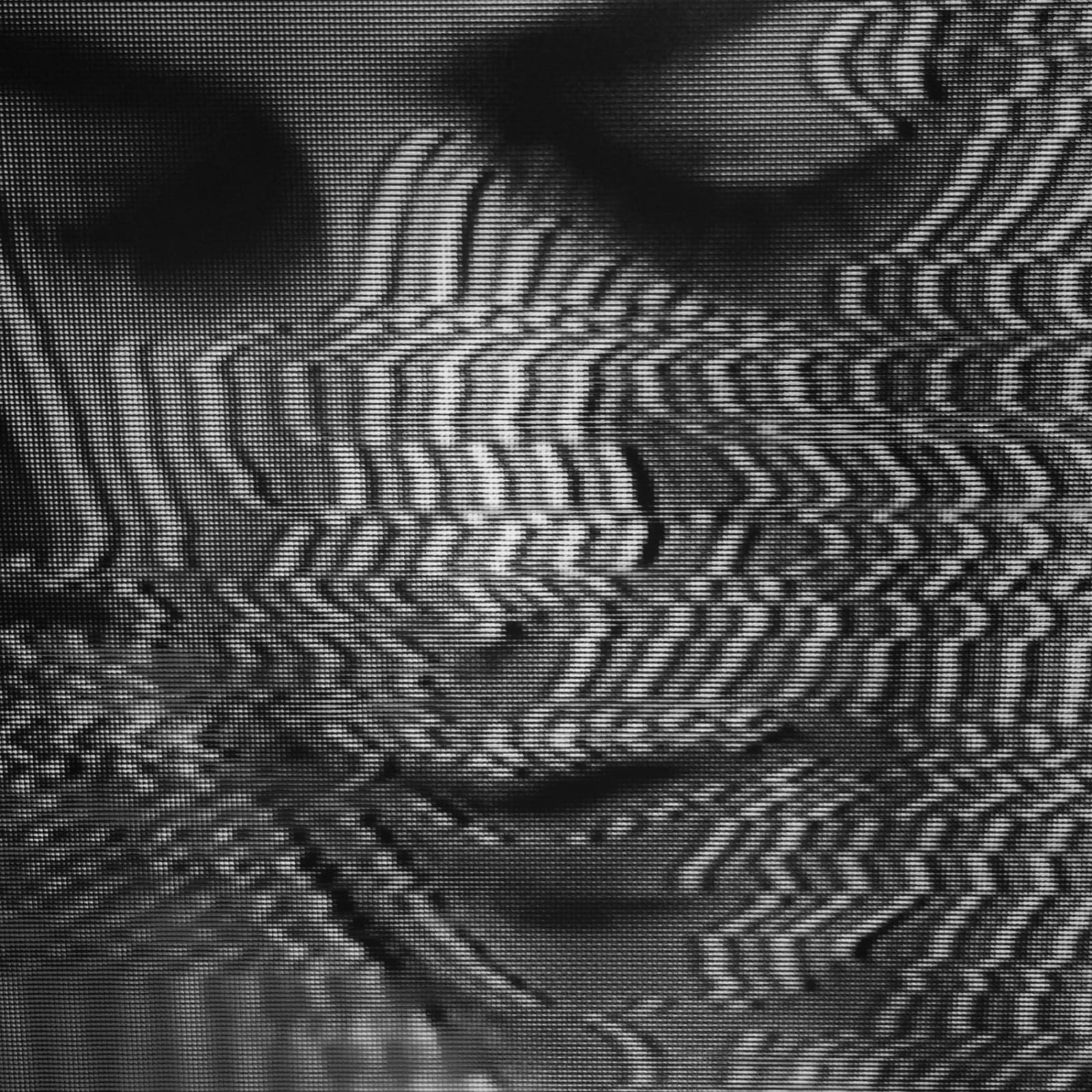
The final chapter of Once Upon A Garden, titled Synthetic Rot, is the culmination of this body of work spanning nearly four years. It traces generative AI models’ evolution over this period and their ability to help us speculate on and synthesise the past.
This chapter presents 50 stills and 50 videos of randomly assorted flowers, often with multiple different species sharing the same stem, behaving erratically, making and remaking themselves with only chaos as a compass. Each video is accompanied with the reference still image that was used as a keyframe to create the video.
Flowers from the previous chapter are made even less organic through an Image-to-Image pipeline. The outputs are then used as keyframes to create animations using Runway’s Gen 3 Alpha. The soundtrack for the videos is created by mixing three types of recorded sounds (nature, machinery, people at work) with desert blues musical tracks generated in Suno AI.
Synthetic Rot is the wildest stage of this body of work, where flowers are composed of mostly inorganic material, exposing the fact that they are primordially data mediated through our screens by code made possible by machinery built with natural resources.
ai
landscape
00:42
2024
More from Linda Dounia
More on digital art
Collections with the artist