Yves Peitzner

Germany

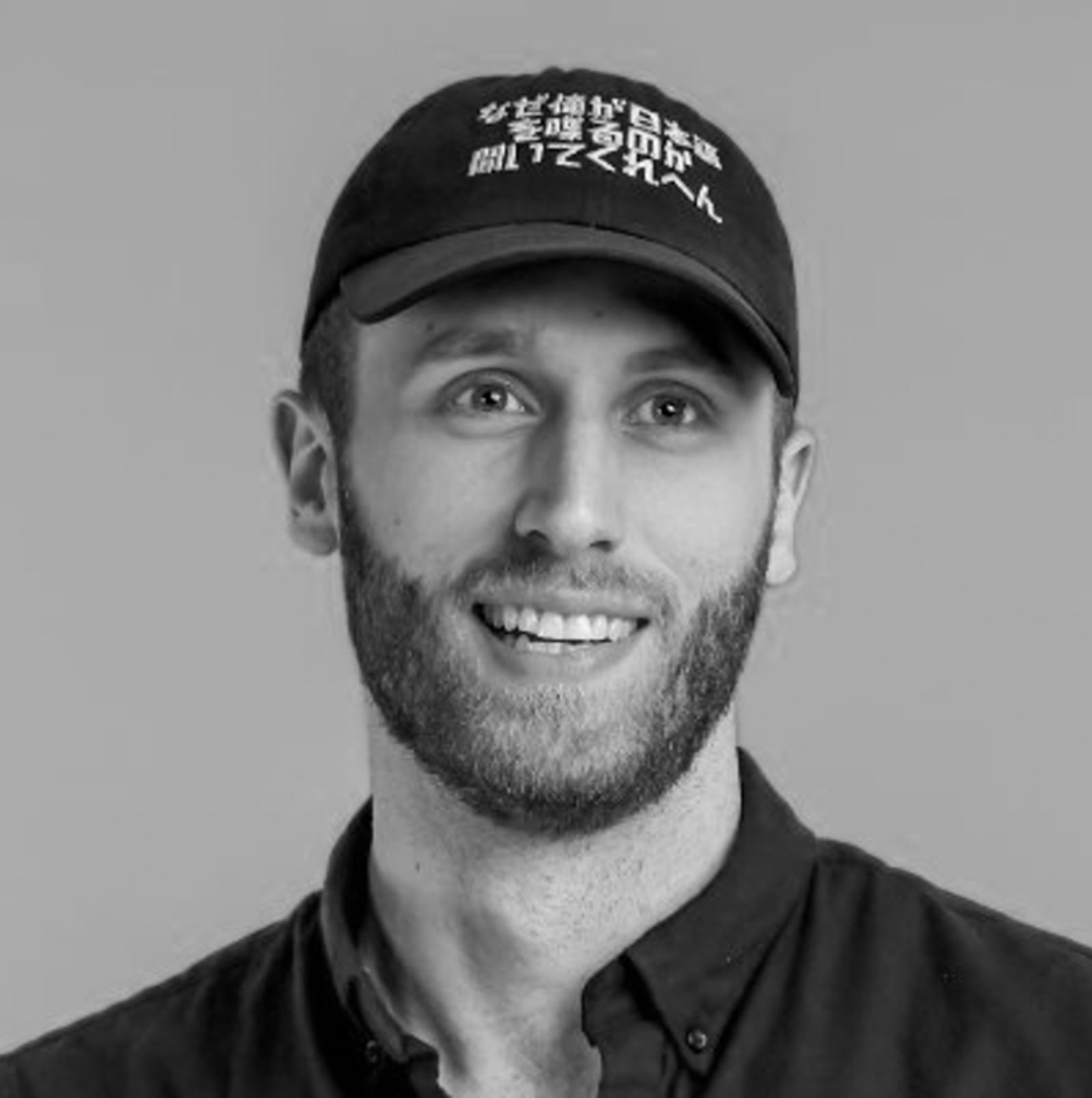
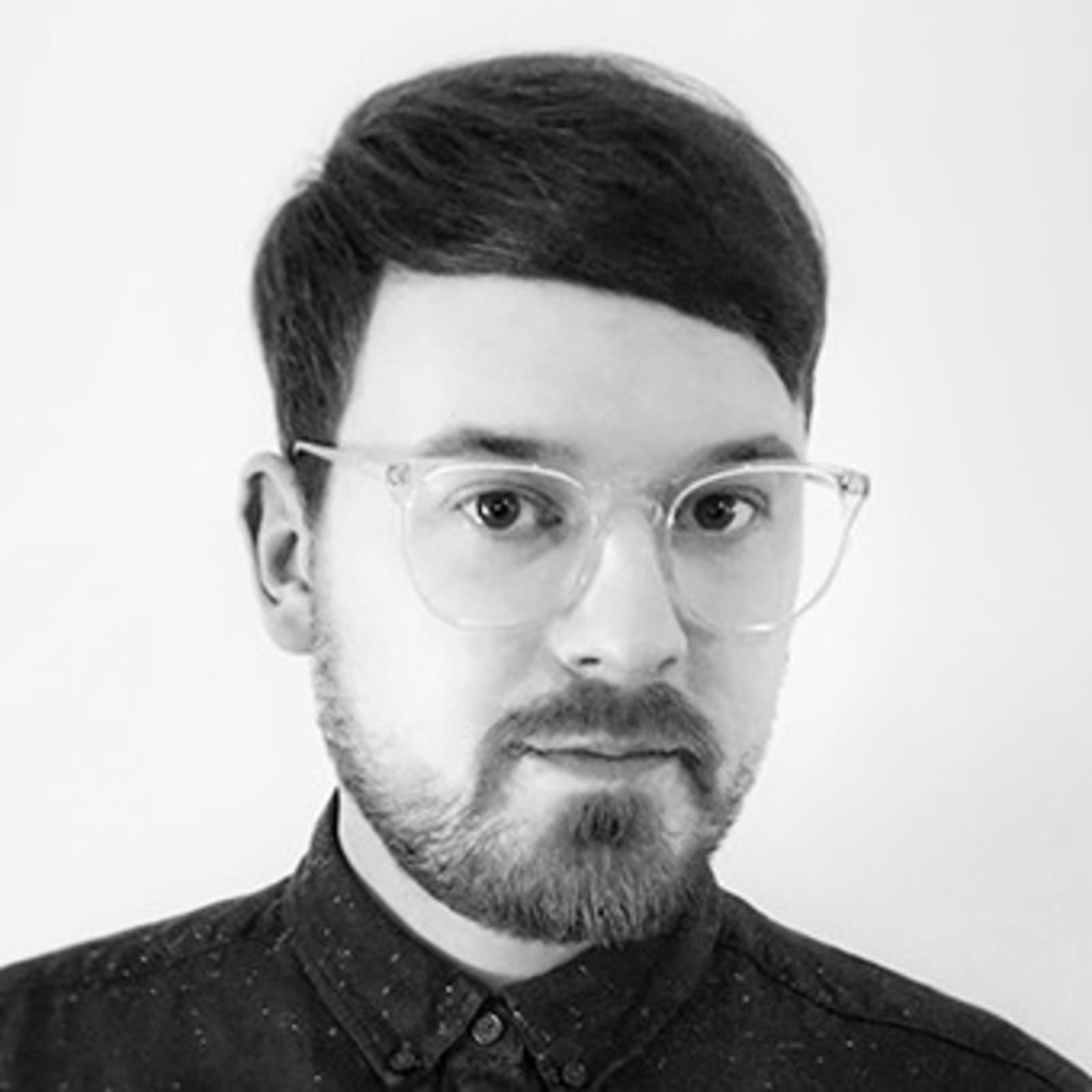
Yves Peitzner is an award-winning multidisciplinary artist specializing in immersive media, interactive installations, and light-driven experiences, based in Munich. Guided by emerging technology, emotion, data, and design, he creates multi-sensory experiences for the age of environment-to-human communication. His work explores new forms of storytelling at the intersection of art, technology, and emotion, establishing new modes of communication between our digital and physical worlds. He transforms spaces into interactive, evolving environments that spark curiosity, reflection, and emotional resonance. He often focuses on the interplay between outer environments and inner reflections, through delicate geometric compositions, complex color harmonies, poetry and sound, with a strong sensitivity to Light and Space, citing James Turrell as a major influence.

Yves is the co-founder of Studio TISH, an experiential design and art collective driven by the idea that humanity should be at the center of everything we do. After graduating from the Surrey Institute of Art & Design in the UK and the London Film School, Yves has spent over a decade working with the world’s most innovative brands and advertising agencies. This includes projects in the automotive, luxury, beauty, technology, and hospitality industries, such as collaborations with Renault, BMW, Instagram, Google, Hyatt Hotels, Dornbracht, and more. He’s also won numerous design awards around the globe, including the Eurobest Awards, the Red Dot Design Award, and the Cresta Awards.


Yves_Peitzner_Generative_art.jpg

Timeless Spaces 3 - Horizontal

Timeless_Spaces_3_-_Horizontal_Yves_Peitzner_Generative_art.mp4
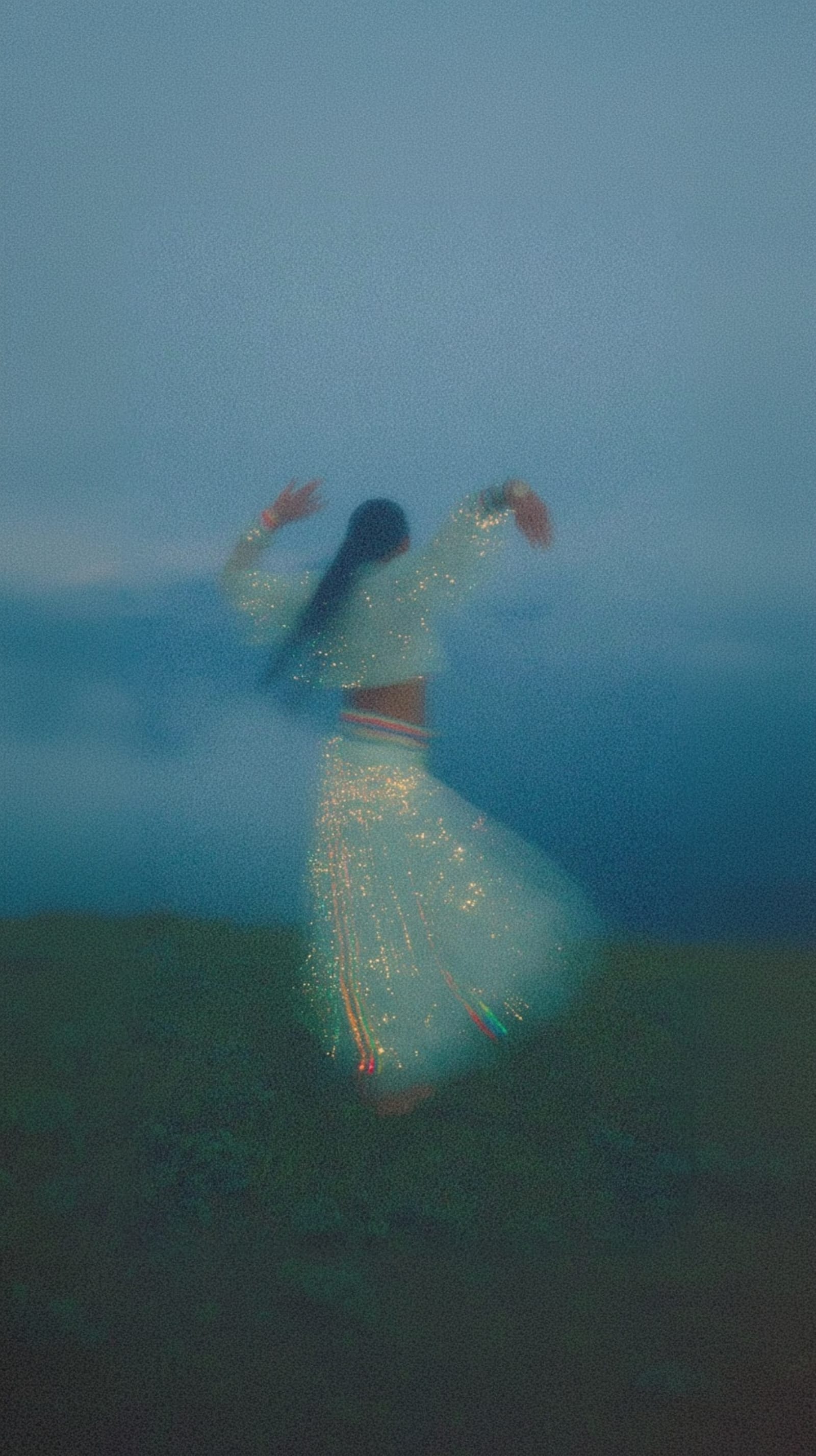
From the Timeless Spaces series, this work mixes poetics, illusion and common images to locate some of our most abstract concepts of self. With this work reduced to color and sound, the artist studies the places of our intimate life. The spectator is invited to project himself into every window, corner and cozy nook, to taste other lives - and to remember moments of life. Perhaps, at the end of the day, we are never quite where we are: we were born to fluctuate between here and elsewhere. Here, the spectator becomes, standing still and letting the color and sound spread over him. As soon as we become motionless, we are somewhere else, dreaming in a world that is immense and memories come back". 
technique

generative art

format

landscape

duration

02:00

year

n/a

WANT TO BRING ART INTO YOUR SPACE?

More from Yves Peitzner

More on digital art

Generative art
Generative art refers to a way of creating artworks using an autonomous system. In digital art, these are usually generated from code and algorithms created by the artist, often with certain predefined parameters or systems. Although these parameters guide the final outcome of the work, generative art is generally a surprising way to create artworks, as the results are often unexpected and the number of possible outcomes can be infinite.
AI
AI art is a branch of generative art that uses artificial intelligence. Unlike other generative artworks, AI artworks use specific complex algorithms and models derived from machine learning. The most common methods for creating AI art today are GANs (generative adversarial networks) or proprietary prompting platforms such as ChatGPT, Sora, Midjourney, or Dall-e.
3D
3D art uses 3D software such as Blender, Cinema4D, Houdini, or video game software such as Unity to create works of art. In 3D works, artists can either arrange assets (the 'objects' in a 3D artwork or world) that they have created themselves or purchased from other creators to create elaborate environments and scenes (an approach to 3D art called 'set dressing'), or specialize in sculpting, which involves creating their own objects and assets.
Photogrammetry
Photogrammetry is a specialized 3D technique that allows 3D objects to be created from numerous photographs taken of an object or scene from multiple angles. These photos are then compiled to determine the specific positioning, shape, and dimensions of the object in space, and then converted into a 3D model. Initially developed for engineering and urban planning, photogrammetry has become a way for artists to produce extremely accurate 3D models from real-life images.
Collage
An extension of the traditional, plastic approach to collage, digital collage involves searching for and cutting out multiple images, extracting them from their original context, and recomposing them in a new arrangement to create a work of art. Artists can use their own photographs or find images on the internet.
Illustration
Digital illustrations are created using software such as Adobe Illustrator, Photoshop, or Procreate. As with drawing on paper, the artist uses a stylus to sketch a figure or object, usually on a tablet, to construct a scene or artistic universe. Unlike traditional drawing methods, digital illustration is much more forgiving, as mistakes can be easily corrected and drawn elements and objects can be easily moved around within a scene.
Video
Video artworks primarily use a recording camera, but may sometimes include additional post-processing or editing to distort, modify or add additional elements to the image. Some artists use state-of-the-art recording equipment to create macro zoom-ins or time lapses, privileging fidelity to the subject matter. Others use additional softwares to significantly modify or warp the video, creating an alternative perspective on the world that surrounds us.

Collections with the artist

  • Skyline_42_Enzo_Roff_Video.mov
    Blue Reverie
    65 artworks
  • Timeless_Spaces_2_Yves_Peitzner_Generative_art.mp4
  • Between_the_four_stone_walls_the_echo_sounds_soothing_Yves_Peitzner_Generative_art.mp4
  • Wisdom_is_the_key_to_happiness_Andrei_Stan_Collage.mp4
  • Human_Flux_Jérôme_Delapierre_Video.mp4
  • Flower_Double_Red_Alex_McLeod_3D.mp4
  • +500
    artists
    View more
    +10k
    artworks
    View more

    Where did you scan from

    RATE YOUR EXPERIENCE