Nuptiae
Nuptiae
- Generative art
- Nature
- Glitch
portrait
generative art
04:06
2026


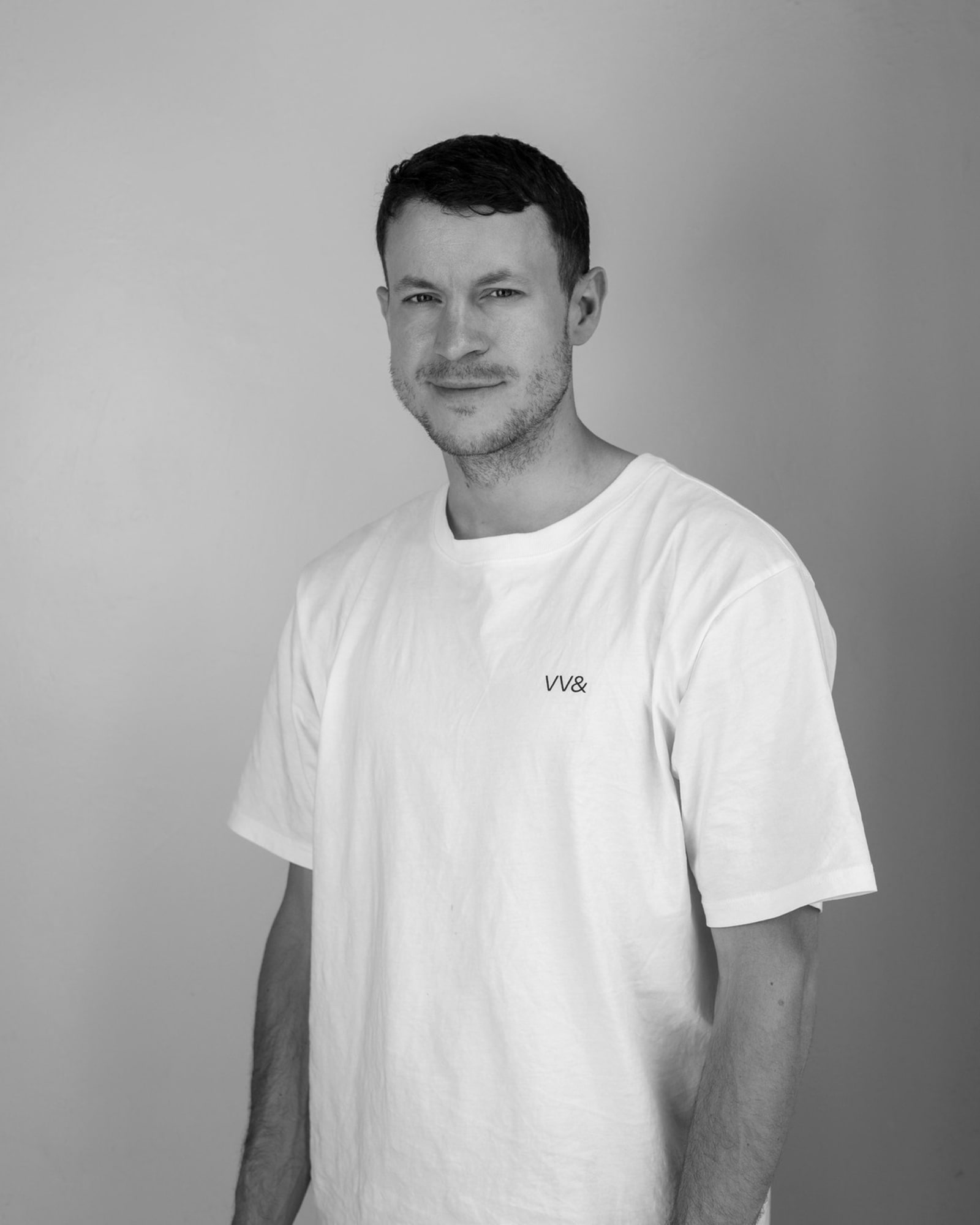
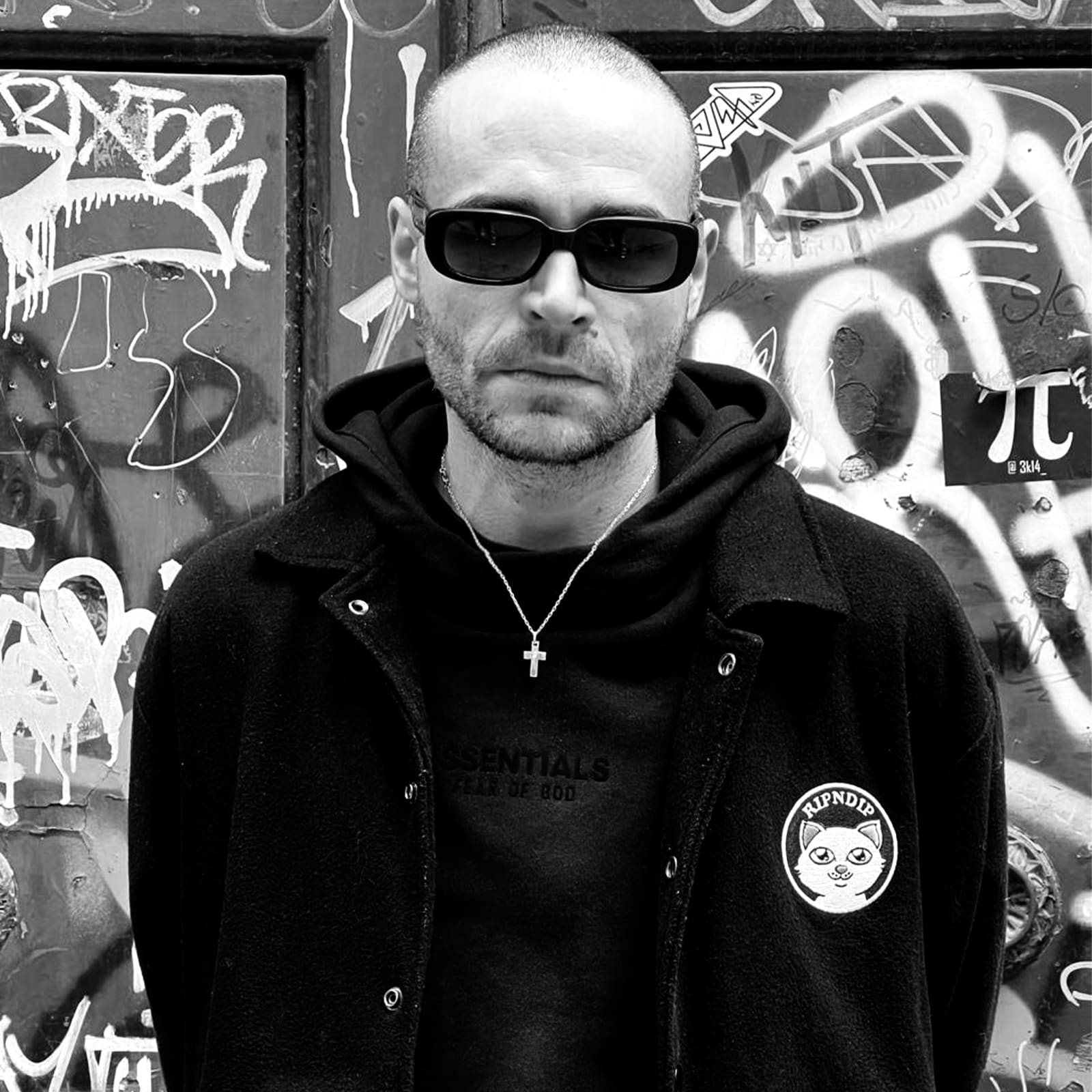
Sares is a digital artist whose work captures aesthetic beauty within temporal chaos using mixed media techniques, including 3D, AI, and generative art. Viewing destruction and chaos as forms of creation, Sares explores the silent intersection of past and future in the present moment. His "AI Reflections" experiences invite viewers to reflect on the now by analyzing the passage of time and emotions shaped by personal experiences, seeking to introduce and analyze aspects of the psychology of the human mind within these digital spaces. Considering both history and future possibilities, Sares employs a digital process that controls information and data, creating procedural works that blend classical aesthetics with modern abstraction, transforming spectators into active witnesses. His creative approach draws from varied sources, including Wong Kar-Wai's atmospheric cinema which informs his use of saturated palettes and emotional temporality. Yuk Hui's cosmotechnics philosophy also guides his effort to root digital processes in deeper meaning, rather than mere technical execution. Through a deliberate practice of inhabiting the present moment, Sares allows intuition to shape the balance between chaos and order in his work.
With over a decade of experience in art direction and international exhibitions spanning New York, Beeple Studios, China, and Europe, Sares conveys reflective messages about lived emotions, often exploring the underlying psychological states they represent. Each artwork embodies a challenge to interpret the digital realm, break boundaries, and inspire positive change by impacting the present and shaping the future, always informed by the lessons of the past. Sares was a selected artist for the AI Hokusai Residency in 2024 and the Primavera Digitale Residency in Florence, Italy, in 2025.
Nuptiae
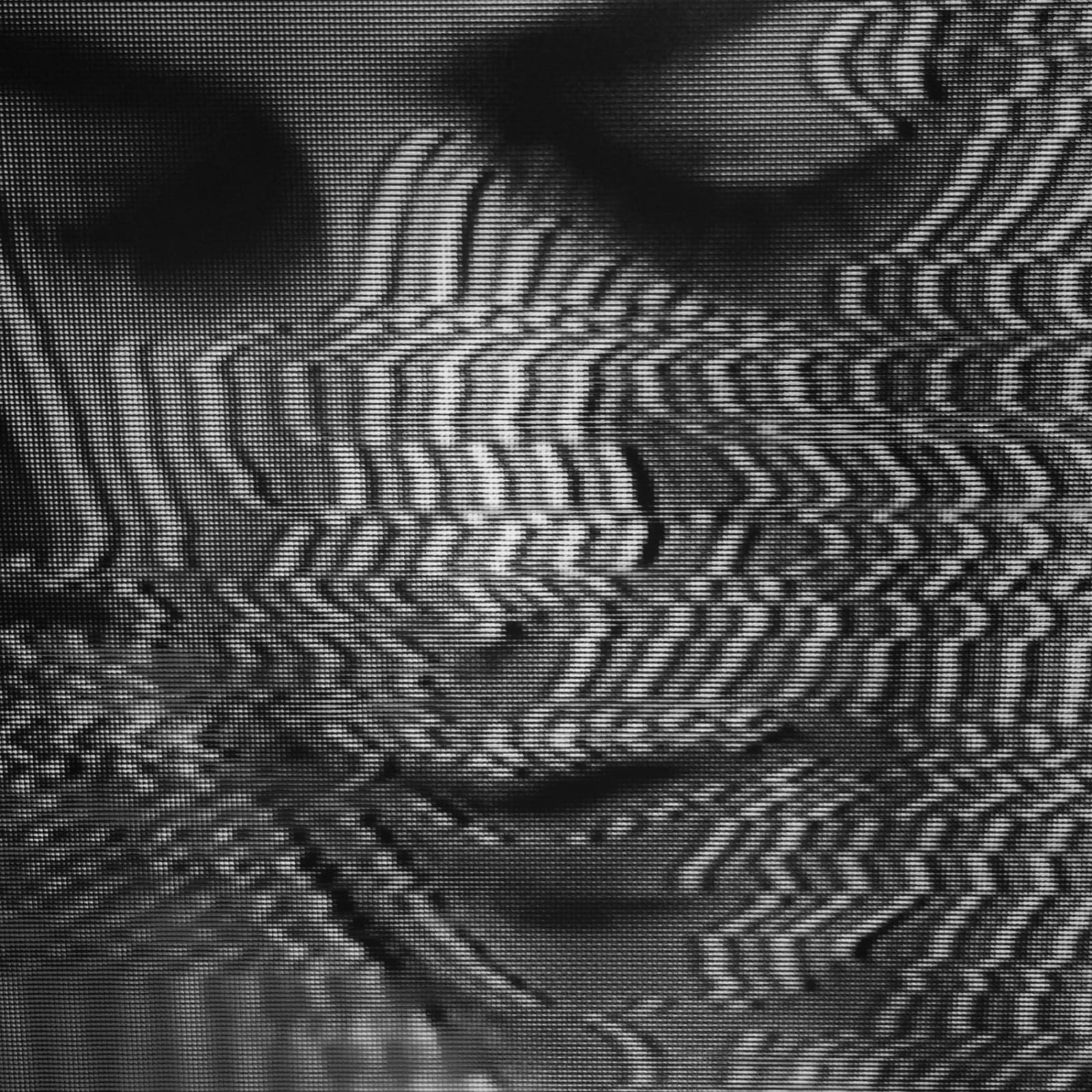
Nuptiae emerges as a profound echo of the archetype of marriage: a symbol of alchemical conjunction, the integration of opposites, and psychic singularity. The piece probes the force dwelling in the depths of consciousness, generating transcendent union, sacred equilibrium, and the full manifestation of the “Self.” In Jungian terms, this archetype embodies the culmination of the individuation process, where anima and animus reconcile to create wholeness. Inspired by the primordial narrative captured in the generative dream, the work reveals how the fusion of internal dualities becomes the catalyst for a unified new reality.
The archetype of Nuptiae presents itself as a state of absolute integration: a high psychic resonance in which the fragments of being collapse into singularity, achieving psychic totality. The work transfigures this principle into a conceptual manifestation of the mind: a map of the moment in which the self recognizes its inner complement, a threshold of convergence that defines completeness. It is an invitation to contemplate the fusion of dualities, exploring the intimate correspondence between external union—the memory, the ritual, the manifestation—and internal integration—the coniunctio, the alchemy of being.
As an eternal archetype of transcendent alliance, Nuptiae reveals the active principle that dissolves duality in an act of absolute unity, transforming consciousness into energy that folds upon itself to reach plenitude.
The conjunction. The alliance. A balanced and transcendent force inhabiting existence, the energy that unifies opposites into a new entity. The pulse of singularity, the sacred equilibrium. A profound bond with the principle of completeness, the testimony of total integration that dissolves duality, radiating with the promise of wholeness.
Nuptiae delves into the culminating power of the archetype of marriage, approaching identity through the principle of union and happiness as an emotional current. The piece draws upon the primordial narrative that defines the moment of the conjunction. In Jungian terms, this archetype represents the alchemical union of the psyche, where the anima and animus integrate, culminating in individuation and the full manifestation of the Self. A quantum processing system interprets this information, revealing the state of total integration and the high psychic resonance that configures the attainment of wholeness. This approach allows the work to become a reflection of the archetype and its potential to create a new reality, expressing the human spirit’s capacity to transcend duality.
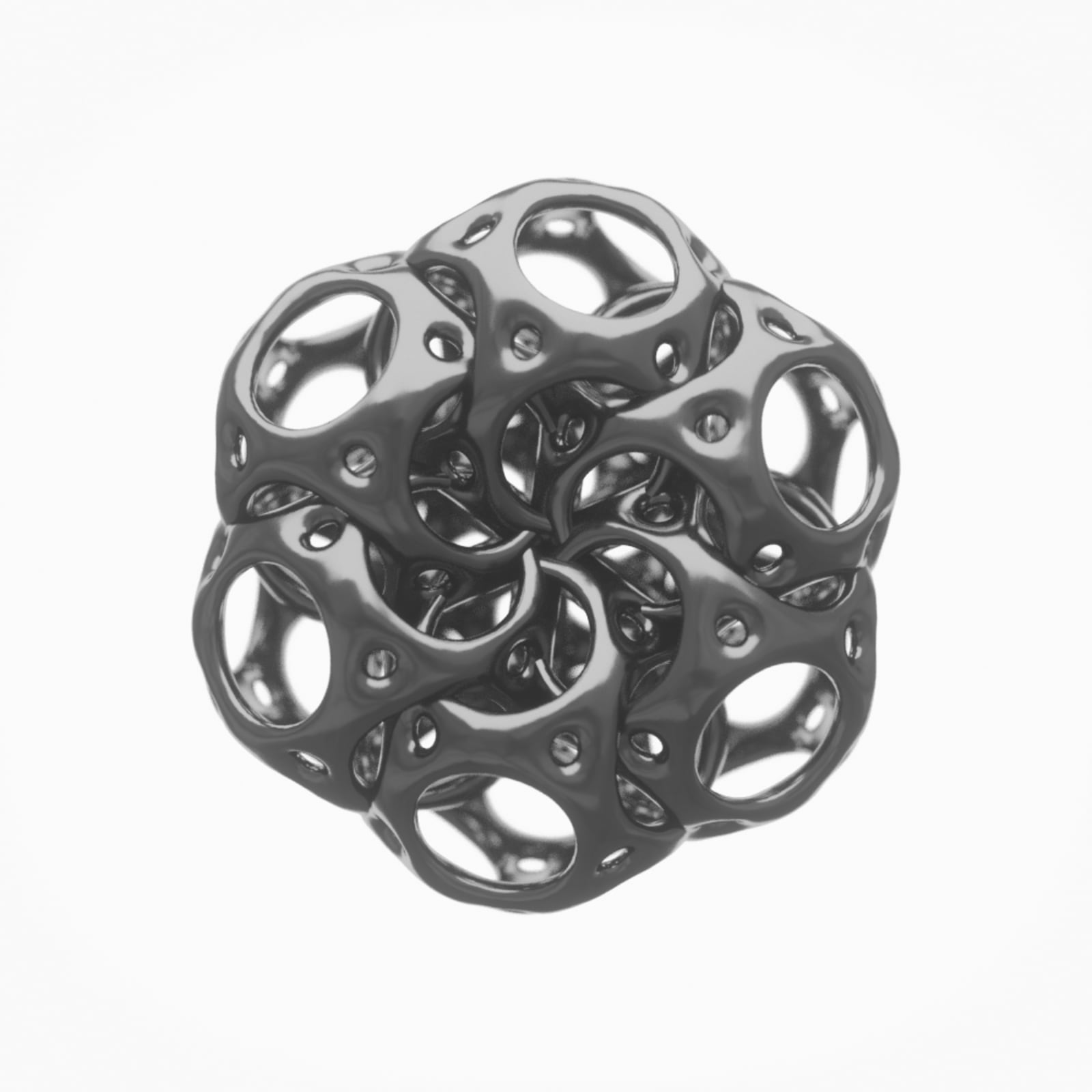
The conceptual narrative materializes as a sculpture of data: an Organism presented as the axis of convergence. It is a cartography of psychic singularity, a reflection of the balanced and radiant texture of High Psychic Resonance, corresponding to a state of achieved completeness. White Sakura flowers (Cherry Blossoms), with their symbolism of purity and the ephemeral beauty of the sacred moment in the Hanakatoba, become the narrative core. Their petals represent the fusion of fragments in a perfect instant.
The Marriage archetype acts as the active force that triggers totality. It reveals how this union generates psychic singularity, allowing the being to inhabit the Self. The piece stands as a testament to how Nuptiae has the power to reconfigure the psyche, transforming it into an active force that resolves internal conflict and traces a horizon of absolute unity.
Nuptiae transcends the mere visual tribute to external union; it establishes itself as a space for introspection, inviting an exploration of the potential of alchemical conjunction, recognizing it as the fundamental anchor in the reconfiguration of identity and the unfolding of the Self.
generative art
portrait
04:06
2026
More from Sares
More on digital art
Collections with the artist