Ethereal Cells
Ethereal Cells
- Generative art
- Meditative
- Abstract
landscape
generative art
04:04
2025
Ethereal Cells
Gamgie

Iris - Vertical
Gamgie

Half Heart Beat - Vertical
Gamgie

Dissolve in Gold
Gamgie

Iris
Gamgie

Ethereal Cells - Vertical
Gamgie

Imaginary Satellite
Gamgie

5279 7e avenue
Gamgie
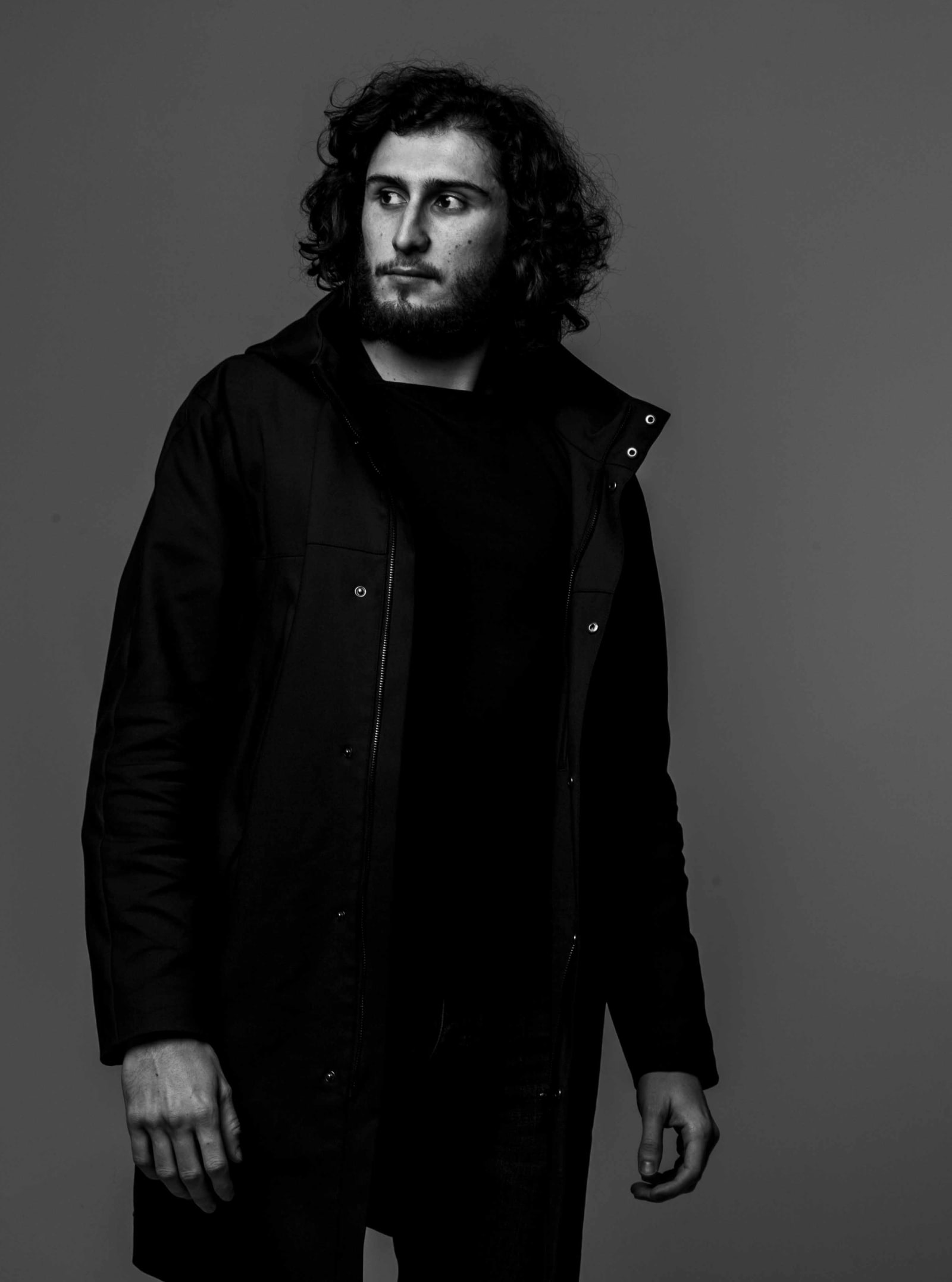
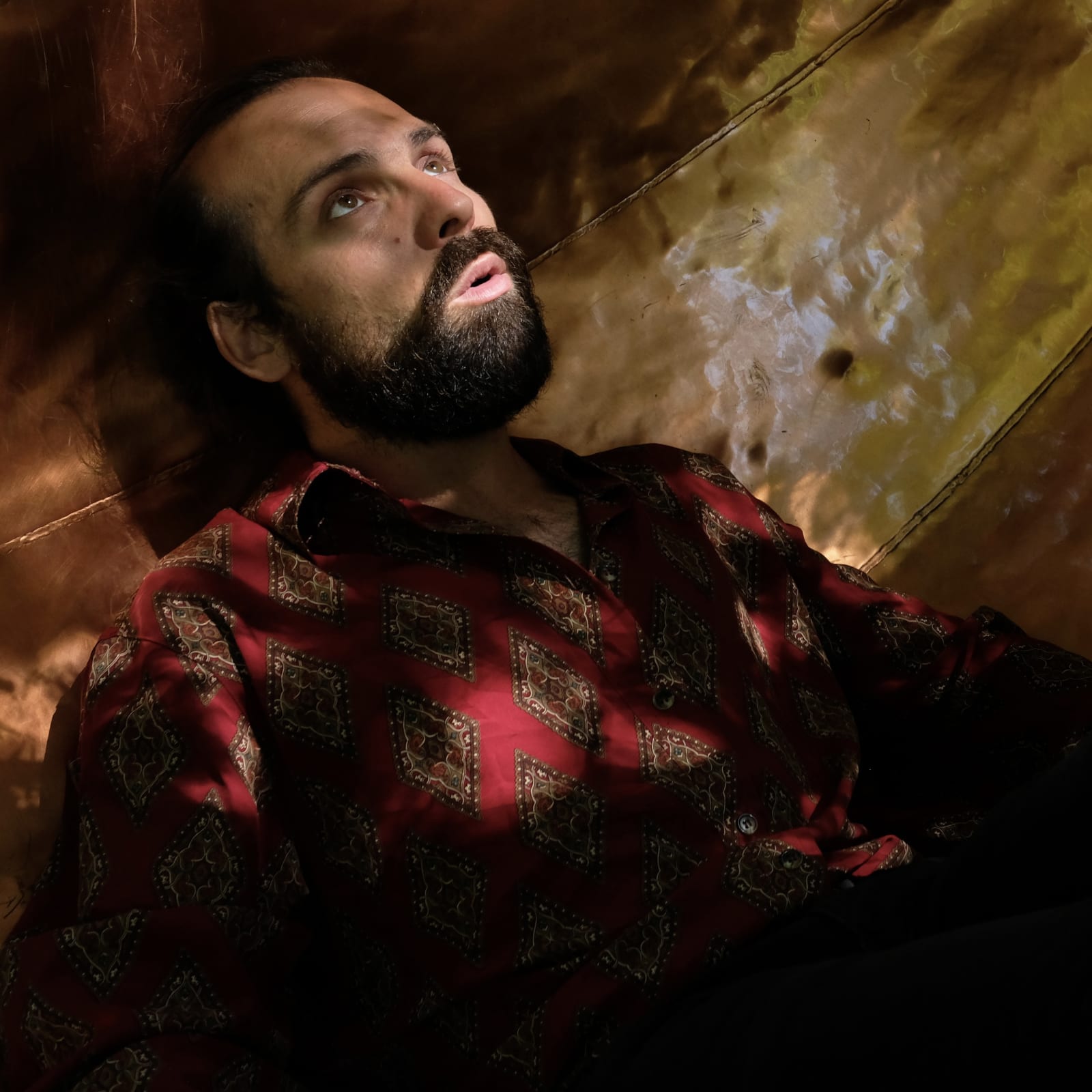
Clément Rignault, known by the artist name Gamgie, is a multidisciplinary creator based in Lyon, France. Describing himself as a digital artist, creative coder, engineer, author and performer, he develops installations, performances and stage works where digital technology becomes a gateway to imagination. Through generative artworks built with code and physics-based systems, he creates abstract visual environments in which particles and forms evolve through computational processes. Using tools such as the game engine Unity, his practice explores interactive and contemplative experiences where participants and performers become part of the artwork itself. Inspired by nature, the cosmos, and scientific disciplines—particularly physics and mathematics—his work revolves around a central question: what is reality? His pieces open spaces for imagination, contemplation and introspection.
In 2011 he co-founded the company Augmented Magic in Paris with magician Moulla, exploring the intersection between illusion, digital art and video projection. Over the following five years, he collaborated on the creation of performances, installations and stage pieces presented at international festivals, events and television programs. Alongside his artistic work, Gamgie also investigates altered states of consciousness and the expressive potential of the body. This exploratory approach has led him to experiment with practices such as meditation, fasting, long-distance walking and expeditions in extreme environments, as well as physical forms of expression including dance and clowning.
Ethereal Cells
Ethereal Cells is grounded in a fundamental principle of life: all life seeks to generate more life. At the origin of this dynamic lies division, the transition from unity to multiplicity, when a single cell becomes two. Nothing emerges from absolute emptiness; all creation is the result of transformation and splitting.
The work evokes a form of cosmic genesis, as if the viewer could witness life emerging through cellular division.
To create, one must divide, separate, and relinquish unity. One part of the self becomes the other, intertwined in an endless movement of interdependence. Forms unfold in an infinite dance where division and union coexist.
Creation is no longer a singular act, but a continuous process—fragile, organic, and universal.
Aeternity is a series of video works exploring perception, consciousness, and the vertigo of infinity.
Through abstract forms, oscillating structures, and dynamic fields of force, the series questions how the human mind attempts to grasp what fundamentally exceeds it.
Each work creates tension between order and chaos, harmony and noise, attraction and threat.
Recurring motifs — circles, layers, flows, vibrations — evoke both cosmic phenomena and inner mental landscapes.
The images do not represent reality; they activate it, inviting the viewer to reconstruct meaning through projection, intuition, and imagination.
Aeternity focuses on thresholds:
between the self and its dissolution,
between linear time and cyclical time,
between matter and abstraction.
The series proposes a contemplative encounter with infinity — not as a concept to be understood, but as a fragile, unstable, and deeply human experience.
generative art
landscape
04:04
2025
More from Gamgie
More on digital art
Collections with the artist