Arcanum
Arcanum
- Generative art
- Nature
- Glitch
portrait
generative art
04:07
2026


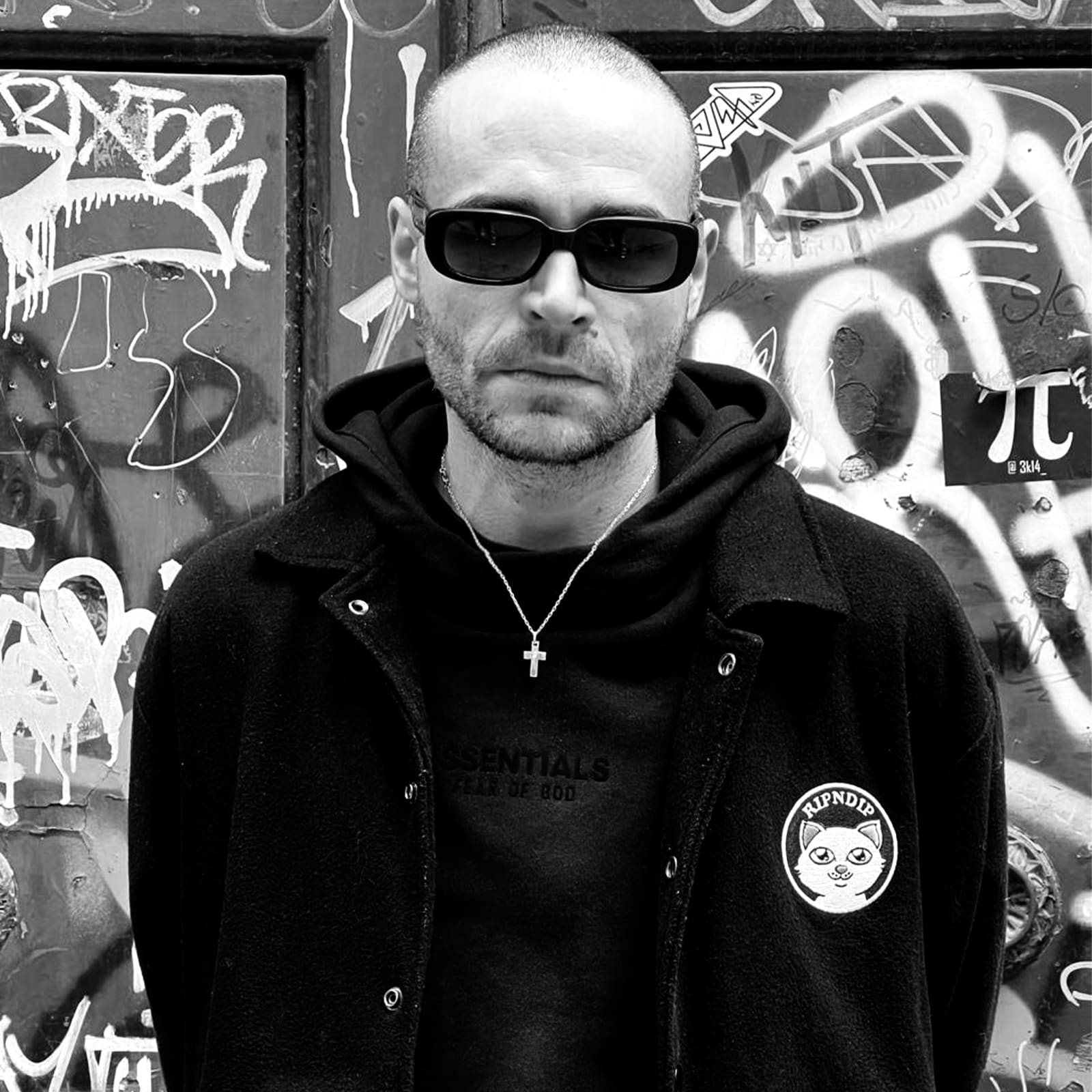
Sares is a digital artist whose work captures aesthetic beauty within temporal chaos using mixed media techniques, including 3D, AI, and generative art. Viewing destruction and chaos as forms of creation, Sares explores the silent intersection of past and future in the present moment. His "AI Reflections" experiences invite viewers to reflect on the now by analyzing the passage of time and emotions shaped by personal experiences, seeking to introduce and analyze aspects of the psychology of the human mind within these digital spaces. Considering both history and future possibilities, Sares employs a digital process that controls information and data, creating procedural works that blend classical aesthetics with modern abstraction, transforming spectators into active witnesses. His creative approach draws from varied sources, including Wong Kar-Wai's atmospheric cinema which informs his use of saturated palettes and emotional temporality. Yuk Hui's cosmotechnics philosophy also guides his effort to root digital processes in deeper meaning, rather than mere technical execution. Through a deliberate practice of inhabiting the present moment, Sares allows intuition to shape the balance between chaos and order in his work.
With over a decade of experience in art direction and international exhibitions spanning New York, Beeple Studios, China, and Europe, Sares conveys reflective messages about lived emotions, often exploring the underlying psychological states they represent. Each artwork embodies a challenge to interpret the digital realm, break boundaries, and inspire positive change by impacting the present and shaping the future, always informed by the lessons of the past. Sares was a selected artist for the AI Hokusai Residency in 2024 and the Primavera Digitale Residency in Florence, Italy, in 2025.
Arcanum
The intuitive revelation. The atlas of stillness. A guiding and mediating force that inhabits the unconscious, that energy of prophetic vision that enables axiomatic peace. The pulse of intuition, the mirror of truth—one that knows no time—creates a deep bond with the principle of synchronicity, which serves as the testimony of the feminine geometry that engenders the certainty of destiny, radiating the promise of the spirit’s integration.
“Arcanum” delves into the essential power of the Anima archetype, the complex of emotion, intuition, and the collective unconscious. The work is built upon the primordial narrative that defines the moment of manifestation in which the connection with the depths is formed. The Anima, as an inner feminine figure, acts as a spiritual guide and a bridge toward knowledge that transcends linear logic, giving meaning to the experience.
The piece anchors itself in the concept that the unconscious provides a seed of future existence, a principle of peace that resides in the acceptance of the universe’s higher order. The rose, in shades of red and pink, occupies the narrative core, symbolizing perfect love and the revealed secret (Arcanum), acting as a mediator between earthly passion and spiritual grace.
Deep intuition. Immanent order. A force that dwells in the unconscious, guiding the energy of Eros that enables axiomatic peace. The pulse of emotion, like a mirror of timeless truth. A deep anchoring in the principle of synchronicity, acting as testimony to the connection with the soul that engenders the certainty of destiny, radiating the promise of the spirit’s integration.
“Arcanum” delves into the essential power of the Anima archetype—the complex of intuition, emotion, and the collective unconscious. The work is built upon the primordial narrative that defines the moment of Eros’s manifestation, the instant where the connection with the deep self arises. The Anima, the inner feminine figure within the masculine psyche, acts as a spiritual guide and a bridge toward knowledge that transcends linear logic, granting meaning and prophetic vision to lived experience.
The piece anchors itself in the idea that the collective unconscious provides a nodule of future existence, a principle of peace residing in the acceptance of the universe’s higher logic. A quantum processing system is fed this information to define the parameters of its components, revealing the state of High Coherence and the force of immanent wisdom that constitutes the threshold of prophecy. This approach allows the work to become a mirror of the archetype—its ability to map the cartography of destiny and manifest the human spirit’s capacity to accept absolute truth. This high psychic resonance validates the encounter with the White Anima, the feminine geometry that illuminates the path.
The conceptual narrative materializes in a sculpture of data: an organism born of consciousness, a cartography of intuitive knowledge, a reflection of the high psychic resonance corresponding to a state of axiomatic truth. The roses, in their red and pink tones—with their complex forms and symbolism of perfect love and the revealed secret (Arcanum)—occupy the narrative core. The duality of colors acts as mediator between earthly passion (red) and spiritual grace (pink), consolidating the bond with higher consciousness.
The Anima archetype acts as the detonating force of immanent wisdom, revealing how this essence generates a timeless vision, free from the constraints of linearity, allowing the being to inhabit its destiny. The piece becomes a testimony to the archetype’s power to reconfigure the psyche, transforming it into active energy that challenges rational skepticism and draws a horizon of peace and intuitive certainty.
“Arcanum” transcends mere visual representation of emotion; it stands as a space of introspection that invites the viewer to explore the potential of this inner guiding principle, recognizing it as a fundamental anchor in the reconfiguration of identity and in the becoming of the self.
generative art
portrait
04:07
2026
More from Sares
More on digital art
Collections with the artist