Relevant Entities: Xanthopsia 149
Relevant Entities: Xanthopsia 149
- Collage
- Nature
- Pop
- Dynamic
landscape
collage
00:59
2025

Hypertexte Sémantique: Xanthopsia 192
Treeskulltown

Fenêtre de l'âme: Xanthopsia 204
Treeskulltown

Peaceful Reveries: Xanthopsia 170
Treeskulltown

The Meaning: Xanthopsia 165
Treeskulltown

Le Tramage : Xanthopsia 161
Treeskulltown

The City With Organic Mapping: Xanthopsia 212
Treeskulltown

Subtitles: Xanthopsia 148
Treeskulltown

LIRE
Treeskulltown
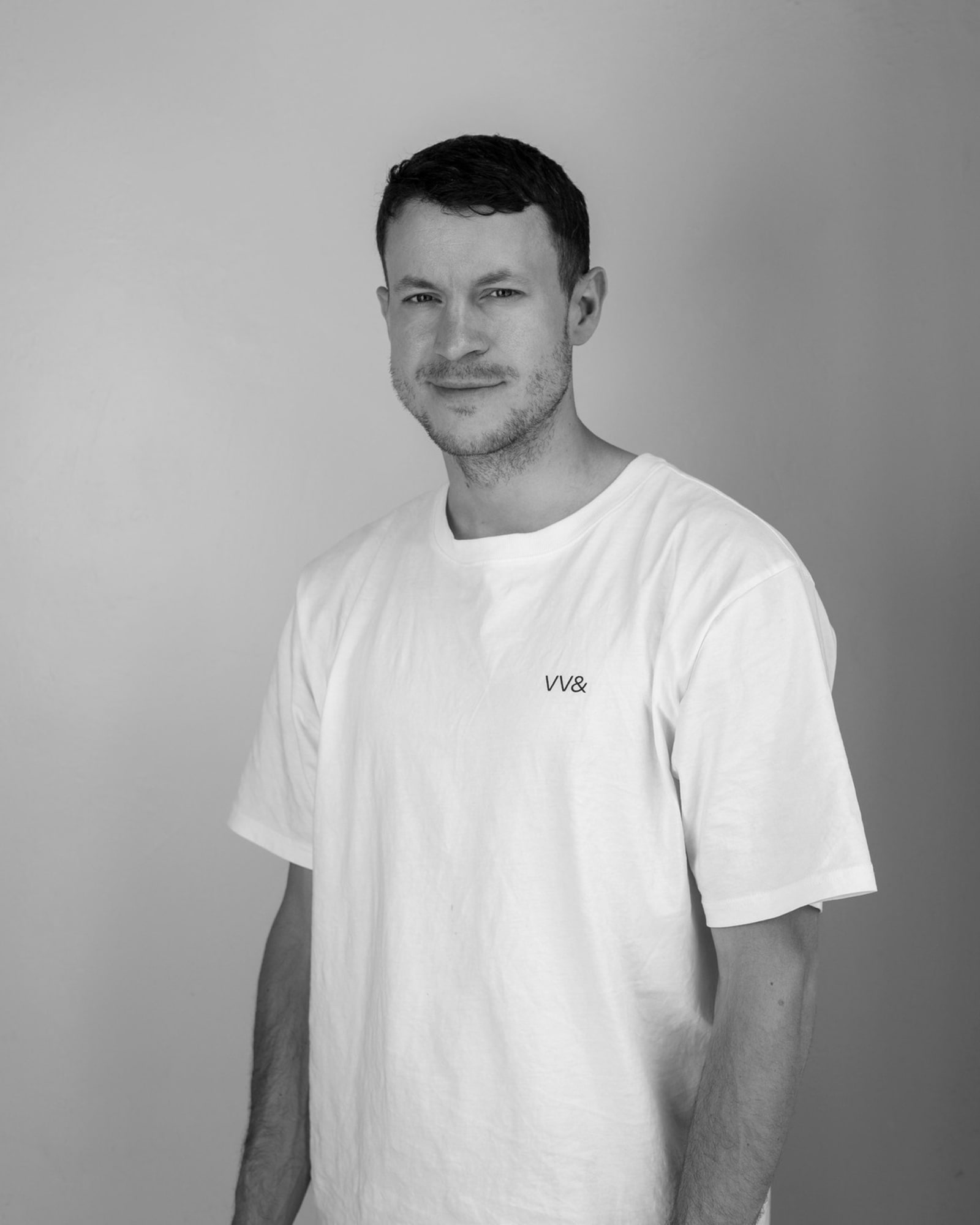
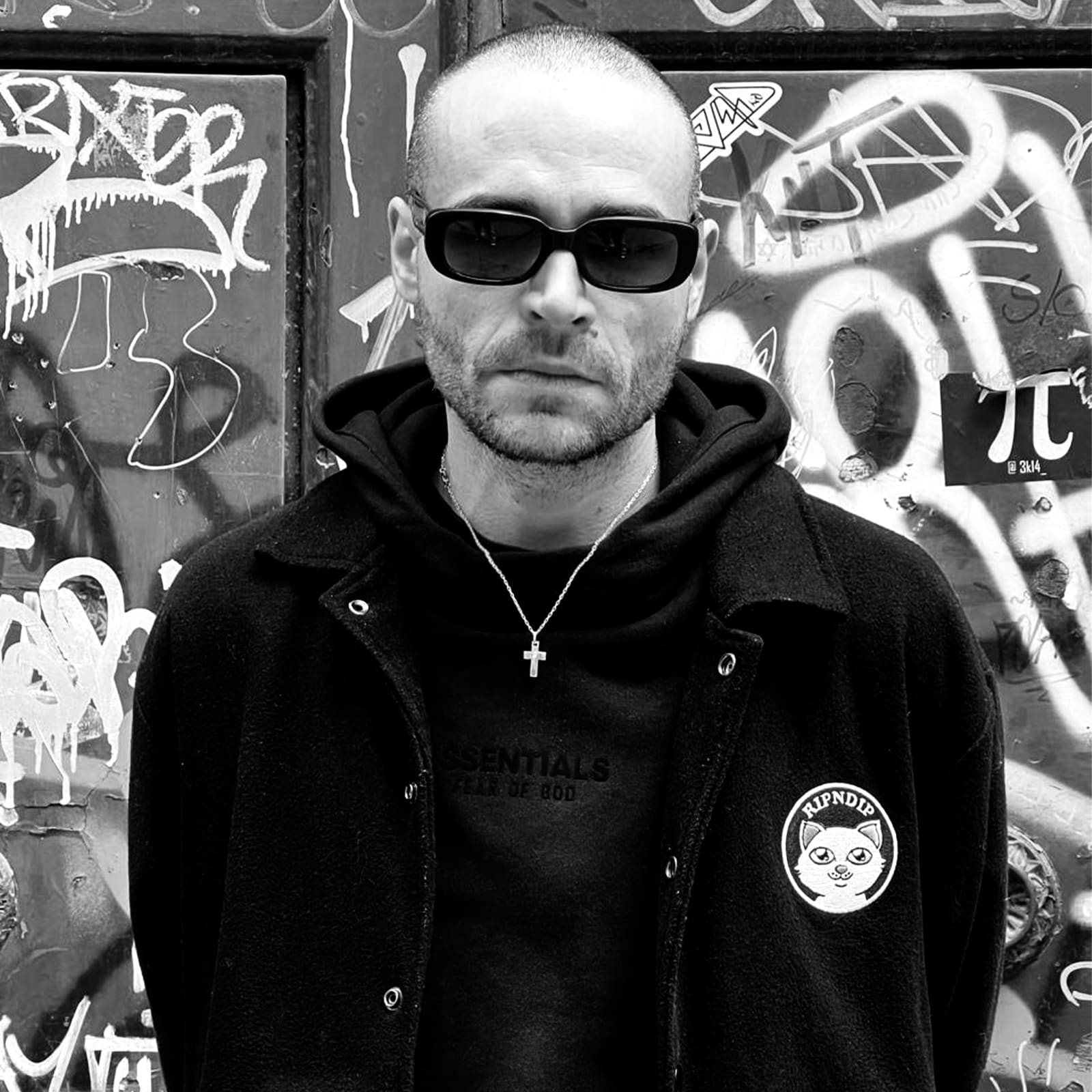
Treeskulltown is the conceptual avatar of a French multidisciplinary artist. For the last 4 years, he has been working in the field of digital art. Having grown up in the 80s, the emergence and development of computer technologies and techniques resonated with him and fuelled his curiosity. With 20 years of experimentation and hybridisation between physical and digital art under his belt, his work today is as much a personal quest as an artistic one. When he became a father, a need for simplicity and freedom, combined with the constraints of mobility, led him to return to the source of the desire to create and the pleasure of doing so, using organic materials (earth, paper, paint, cardboard, wood, etc.). It's a way of rediscovering meaning by naturally reconnecting with feelings and emotions. His aim is to develop a temporal parallel, a conversation, with the masters of classical art, to create a sub-reality to art history using mixed media animation techniques, thus creating an analogue palimpsest in digital strata.
Very involved in the crypto-artist community, his works are collected in Ethereum on FOUNDATION, in Tezos on OBJKT and in Bitcoin on GAMMA. Since 2022, his work has been exhibited and presented internationally at major events such as Art Crush Gallery, MOWNA, NFT NYC, NFT Japan, DAM Zine, NFC Lisbon, NFT Factory Paris, R HAUS Art Basel Miami, QUANTA Gallery London, IHAM NFT Gallery Paris. He was also selected in 2024 in The Hug 100 artists to watch and in the N3W Society Bookzine with the web3 agency: BRAWHAUS. His continual quest to reinvent himself and experiment provokes an emotional interaction with the viewer while guiding them with a subtle and conceptualised narrative.

Relevant Entities: Xanthopsia 149
1. Conceptualisation artistique contemporaine : abstraction subréaliste et dualité numérique
Mon œuvre « Relevant Entities » s’inscrit dans une approche de déconstruction-recomposition du Wheat Field de Van Gogh, où le subréalisme (entre figuration et abstraction) devient un langage visuel pour explorer :
- Animisme agraire : les entités naturelles (épis de blé, vents, forces telluriques) sont transfigurées en formes mouvantes, entre apparition et dissolution, évoquant les cultes primordiaux liés à la terre.
- Expressionnisme abstrait en mouvement : à travers l’animation image par image, le geste pictural de Van Gogh (ses tourbillons, ses coups de pinceau fiévreux) est dynamisé de manière minimaliste, comme si la peinture respirait, révélant une mémoire visuelle en mutation perpétuelle.
- Sous-culture numérique hybride : le traçage manuel découpé et la peinture numérique créent un palimpseste techno-artisanal, où la technologie numérique ne supprime pas le geste manuel mais le sublime, questionnant l’authenticité à l’ère post-numérique.
2. Approche philosophique : pertinence des entités et dualité utopique
En réinterprétant Wheat Field à travers le prisme de la Xanthopsie (vision jaune), j’explore :
- La pertinence des entités naturelles : les épis de blé deviennent les « esprits » du champ, présences invisibles mais essentielles, renvoyant aux mythologies agraires où le blé est à la fois nourriture et divinité. Cette lecture fait écho à l’idée de Van Gogh d’une nature vivante et habitée.
- La coexistence des opposés : le jaune, couleur de lumière et de folie chez Van Gogh, symbolise ici l’équilibre précaire entre euphorie et mélancolie. Mon médium mixte (acrylique brute vs digital éthéré) incarne cette tension.
- Utopie numérique : en hybridant toile et peinture numérique, je propose une forme de spiritualité artistique où le classique et le contemporain interagissent sans hiérarchie, à l’image des cultes animistes qui unissaient le visible et l’invisible.
3. Technique et méditation : réinvention du geste
- Peinture acrylique photographiée : la matérialité physique (texture, empâtement) est préservée, mais sa numérisation la transforme en archive vivante, en fossile digital.
- Animation minimaliste : en animant les détails (abstraction courbe, ligne pulsante), on crée une peinture cinétique, où le temps de contemplation devient partie intégrante de l’œuvre.
- Découpage manuel : ce geste lent, presque rituel, rappelle les vanités baroques, où chaque élément est à la fois fragile et éternel.
Conclusion : Van Gogh à l’ère des métavers
« Relevant Entities » n’est pas une simple réinterprétation, mais une résurrection algorithmique de l’âme de Van Gogh. En mêlant subréalisme et hybridation numérique, je pose une question fondamentale : comment la technologie numérique peut-elle réenchanter le sacré pictural ?
Ma collection Xanthopsia devient ainsi un manifeste : l’art ne meurt pas, il se transcode. Le jaune n’est plus seulement une couleur, mais un état de perception — qui nous permet de voir, comme Van Gogh, l’invisible dans le visible.
Références implicites :
Animisme dans l’art (Joseph Beuys, Fields d’Anselm Kiefer).Peinture en mouvement (William Kentridge, expériences GIF de David Hockney).
Cette œuvre fait partie d’une archéologie du futur, où chaque coup de pinceau numérique est un hommage.
Hommage à Van Gogh : « Wheatfield, 1888 »
Original : Van Gogh Museum
2160 x 3840 px / 4k MP4 / 96,7 Mo / 5 fps / édition 1/1
Sur @objktcom :
https://objkt.com/tokens/KT1SPfxmyYFdQtFdc8cr9o1Mgkc6RU3LBKHP/153
collage
landscape
00:59
2025
More from Treeskulltown
More on digital art
Collections with the artist