Sia Bulgakova

Russia

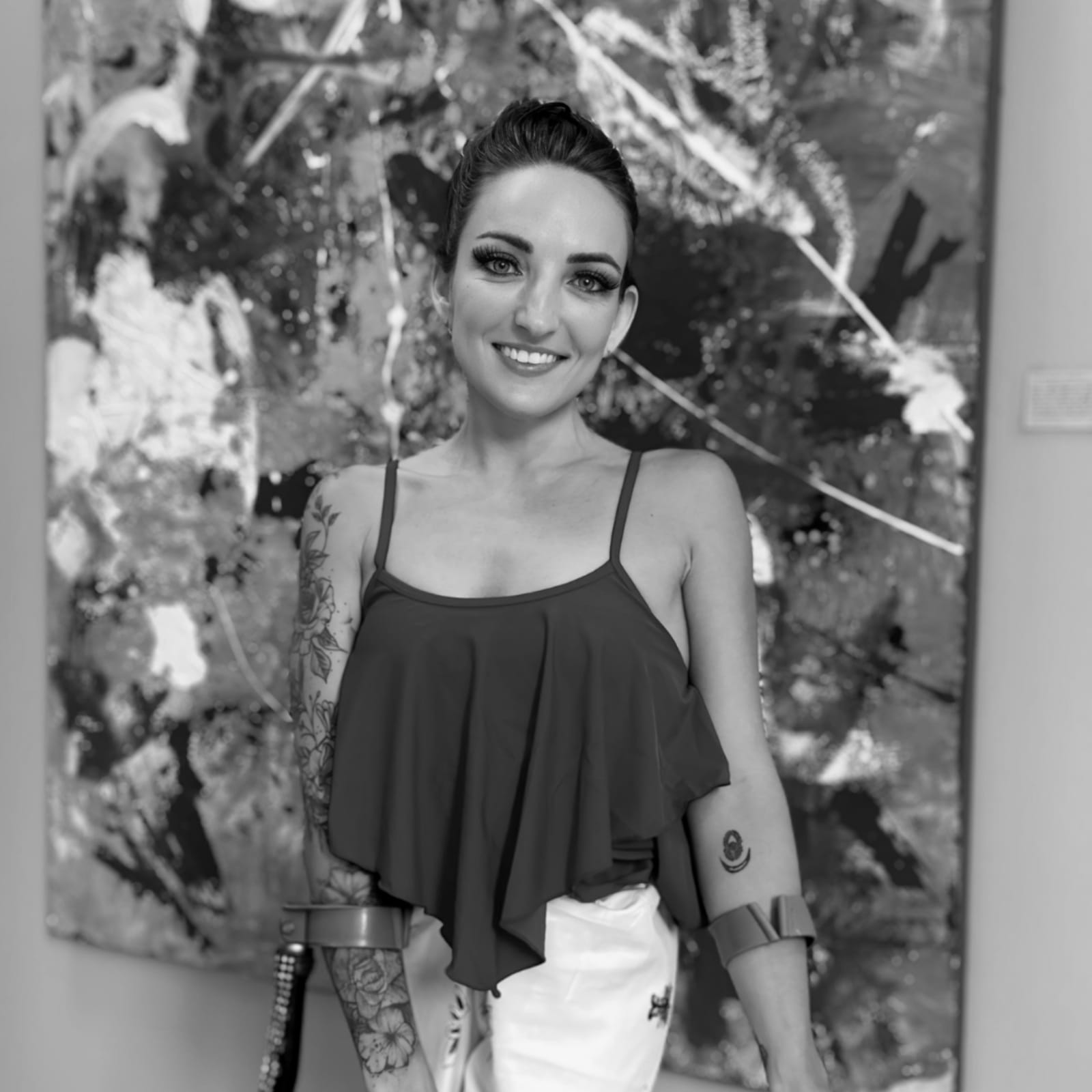
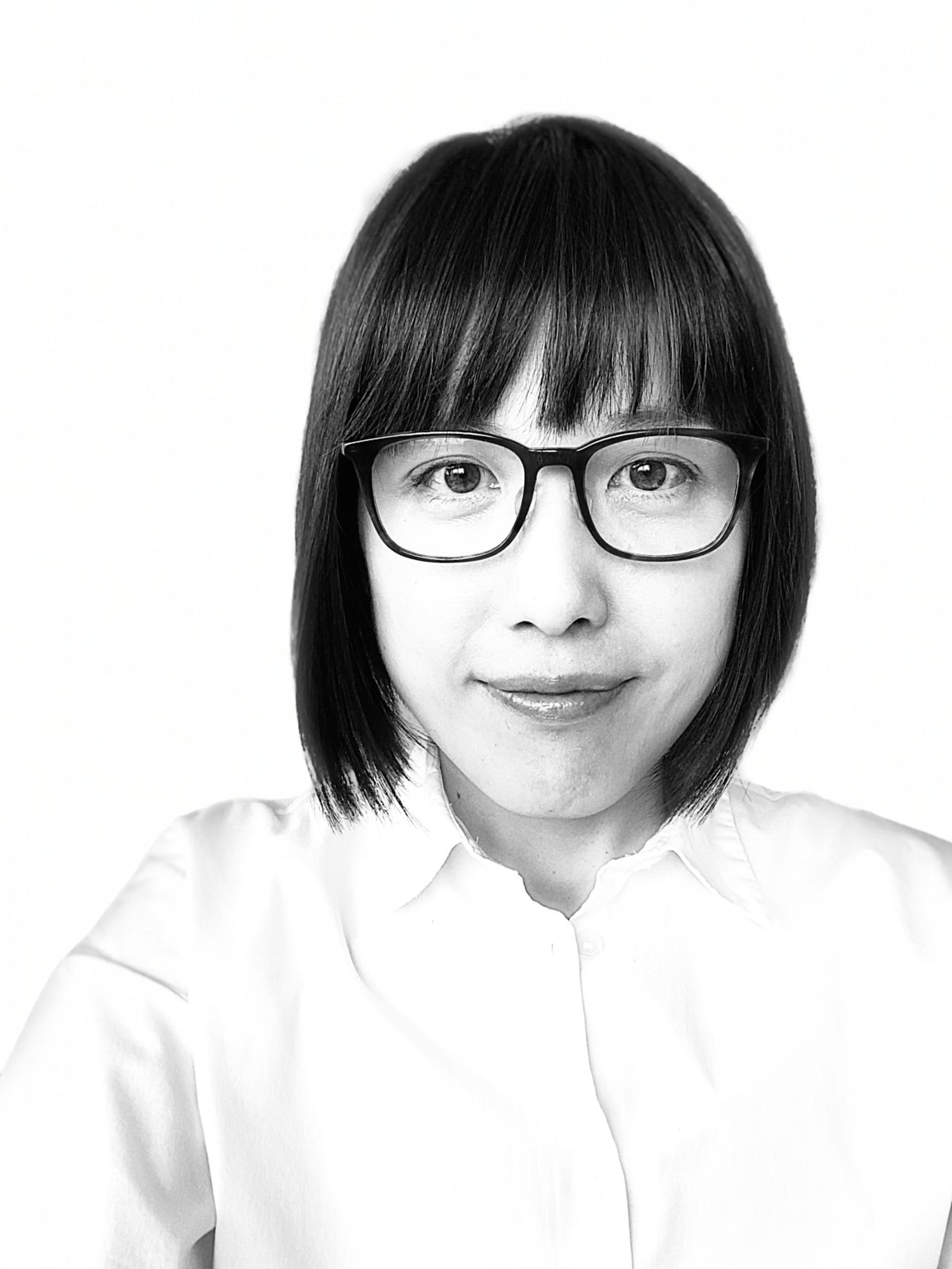
Sia Bulgakova is an artist based in Kaliningrad. At 18 years old, Bulgakova left her hometown to pursue a medical degree, graduating in parasitology, the study of parasites, but art soon became her main focus in life. Her “mini stories” incorporate self-portraiture, costume design, props, handcrafts, stop motion and animation, and look to send a message of hope, compassion and love. Sia Bulgakova’s stop-motion animations—created using a combination of self-portraiture, costume design, props, handcrafts and animation—have garnered a lot of attention on social media. She hopes her short fairytale scenes can send a message of compassion, happiness and joy, and “give people their love for this world back.”

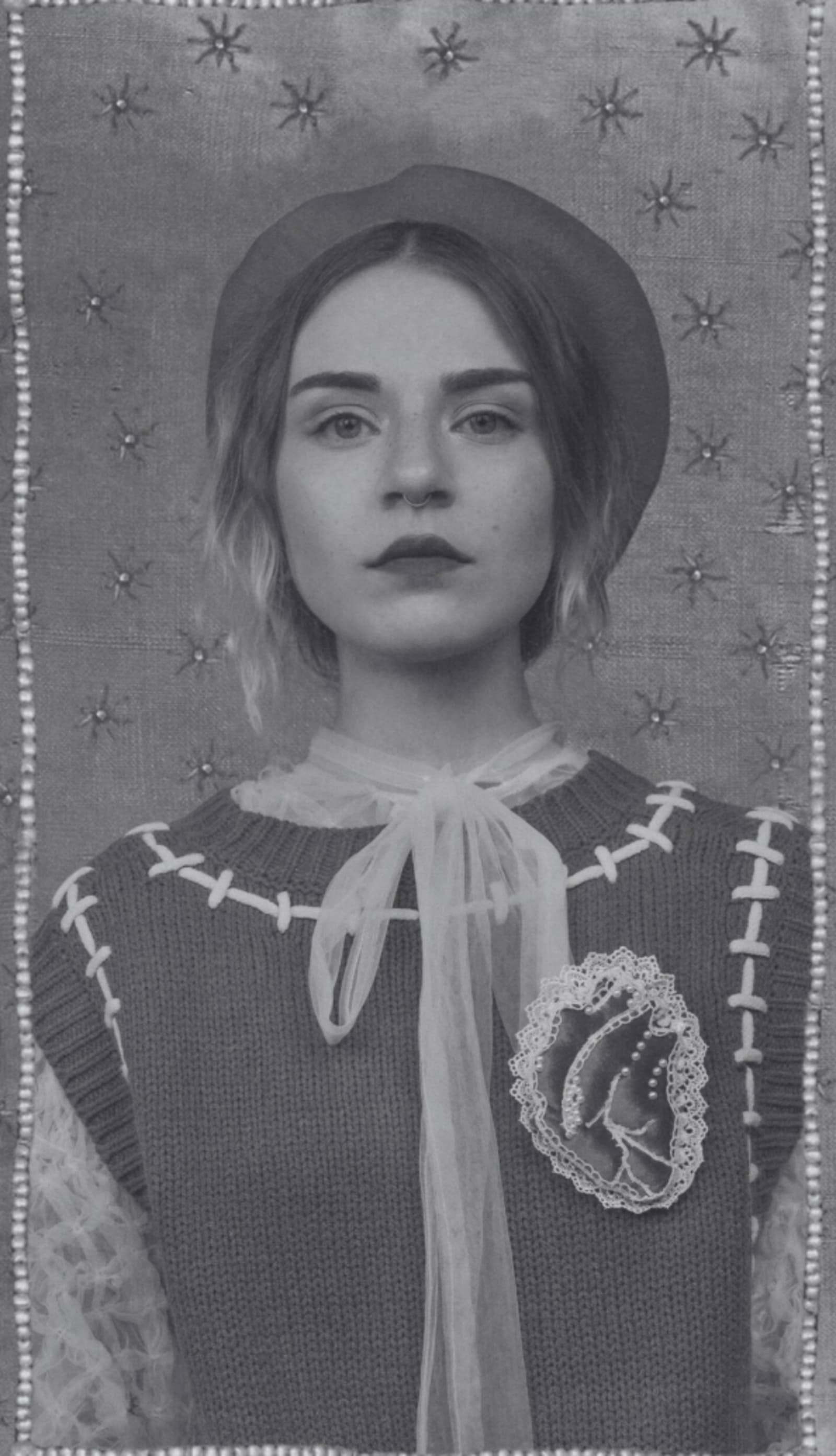
All of Bulgakova’s ideas start with an image in her mind which she describes as a “visual flash.” “But these images are superimposed on feelings or events that have been spinning in my head for some time that I’d like to speak out about,” she explains. “When I feel the idea maturing, I immediately write down the thoughts and images that come up so that I can work it out in more detail later. If everything that came up resonates with me, then I rejoice like a child and think: ‘God, this is so cool!’” And then she gets to work.  “The key detail of all my work is the props around which I create a story,” Bulgakova says. “I use various techniques to build them: papier-mâché, embroidery, sewing, designs made of paper, cardboard and wire, and many improvised means.” She teaches herself whatever skills she needs but doesn’t yet know how to do. After planning a detailed storyboard for the animation, she briefs collaborators: a stylist who helps her source the clothes for her vision and a make-up artist. She photographs each frame on a blank backdrop and brings them together, digitally adding the background and animated elements she’s made (flowers, butterflies, birds). It takes about 100-150 frames for a five-second animation, and can take between two weeks and a month to complete a project from scratch.

Sia_Bulgakova_Collage.png

Listen to your heart

Listen_to_your_heart_Sia_Bulgakova_Collage.mp4

There are a lot of "impossible" things inside us that were once laid down by society, intentionally or accidentally. These internal prohibitions prevent us from living freely and realizing even the wildest dreams. Trust your heart, it will never deceive.

technique

collage

format

portrait

duration

01:21

year

2024

WANT TO BRING ART INTO YOUR SPACE?

More from Sia Bulgakova

More on digital art

Generative art
Generative art refers to a way of creating artworks using an autonomous system. In digital art, these are usually generated from code and algorithms created by the artist, often with certain predefined parameters or systems. Although these parameters guide the final outcome of the work, generative art is generally a surprising way to create artworks, as the results are often unexpected and the number of possible outcomes can be infinite.
AI
AI art is a branch of generative art that uses artificial intelligence. Unlike other generative artworks, AI artworks use specific complex algorithms and models derived from machine learning. The most common methods for creating AI art today are GANs (generative adversarial networks) or proprietary prompting platforms such as ChatGPT, Sora, Midjourney, or Dall-e.
3D
3D art uses 3D software such as Blender, Cinema4D, Houdini, or video game software such as Unity to create works of art. In 3D works, artists can either arrange assets (the 'objects' in a 3D artwork or world) that they have created themselves or purchased from other creators to create elaborate environments and scenes (an approach to 3D art called 'set dressing'), or specialize in sculpting, which involves creating their own objects and assets.
Photogrammetry
Photogrammetry is a specialized 3D technique that allows 3D objects to be created from numerous photographs taken of an object or scene from multiple angles. These photos are then compiled to determine the specific positioning, shape, and dimensions of the object in space, and then converted into a 3D model. Initially developed for engineering and urban planning, photogrammetry has become a way for artists to produce extremely accurate 3D models from real-life images.
Collage
An extension of the traditional, plastic approach to collage, digital collage involves searching for and cutting out multiple images, extracting them from their original context, and recomposing them in a new arrangement to create a work of art. Artists can use their own photographs or find images on the internet.
Illustration
Digital illustrations are created using software such as Adobe Illustrator, Photoshop, or Procreate. As with drawing on paper, the artist uses a stylus to sketch a figure or object, usually on a tablet, to construct a scene or artistic universe. Unlike traditional drawing methods, digital illustration is much more forgiving, as mistakes can be easily corrected and drawn elements and objects can be easily moved around within a scene.
Video
Video artworks primarily use a recording camera, but may sometimes include additional post-processing or editing to distort, modify or add additional elements to the image. Some artists use state-of-the-art recording equipment to create macro zoom-ins or time lapses, privileging fidelity to the subject matter. Others use additional softwares to significantly modify or warp the video, creating an alternative perspective on the world that surrounds us.

Collections with the artist

  • Gaia_of_the_Metaverse_Marjan_Moghaddam_3D.mp4
    Ceci est une femme
    93 artworks
  • We_Are_All_Data_Moteh_3D.mp4
  • Flower_Double_Red_Alex_McLeod_3D.mp4
  • +500
    artists
    View more
    +10k
    artworks
    View more

    Where did you scan from

    RATE YOUR EXPERIENCE