Microverse Adventures - Horizontal
Chloé Savard

Flow
Chloé Savard

Bulles
Chloé Savard

Gummy world - Horizontal
Chloé Savard

Diatomée
Chloé Savard

Evaporation - Horizontal
Chloé Savard

Volvox
Chloé Savard

Hydra Viridissima - Horizontal
Chloé Savard
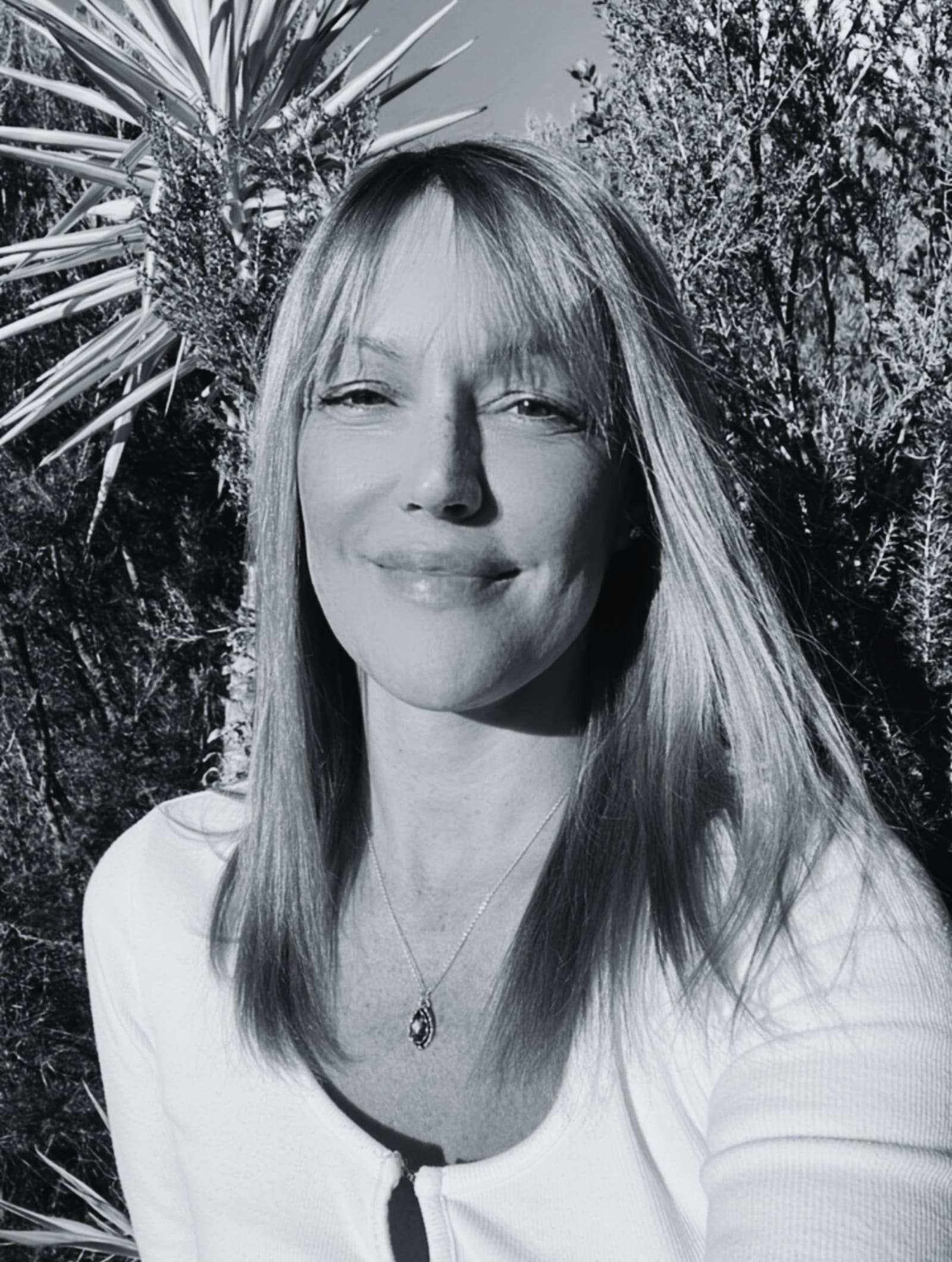
Chloé Savard is a Montreal-based artist and microbiologist. Originally trained as a musician, she turned to microbiology as a way to explore new scientific and creative perspectives. Under the pseudonym @tardibabe on Instagram, TikTok, and YouTube, she uses a microscope and her iPhone to capture striking images and videos of microorganisms—transforming drops of water into mesmerizing visual landscapes. Her work blends art and science, revealing the hidden beauty and complexity of microscopic ecosystems while raising awareness about their fragility.
Her unique approach has earned her two honorable mentions in the 2022 Nikon Small World In Motion competition. She has also showcased her work at events like the SPHÈRE Festival at Canada’s National Arts Centre. Through collaborations with scientific and cultural institutions, Chloé shares her discoveries with a wide audience, helping to democratize microbiology and inspire a new generation of observers of the invisible world.

Under the Sea

It’s always mind blowing to see how much life and biodiversity a single drop of water from a lake can bear.
There are tons of algae, rotifers, crustaceans, ciliates. All of these microbes are at the bottom of the food chain, starting with algae (phytoplankton) which are primary producers, transforming CO2 and energy from sunlight into sugars by photosynthesis! These algae then get eaten by a lot of small herbivores including all of today’s critters like rotifers, stentors, crustaceans and insect larvae which are all placed in the second level of the food web. Those small organisms then get eaten by bigger carnivorous animals, like fish, frogs, birds and aquatic insects, which are classified in the third level of the food chain. Some organisms can be placed in both the first and the second level of the food web if they’re omnivores or if the way they feed changes over time. For example, when herbivorous tadpoles develop into carnivorous amphibians!
video
portrait
01:41
2022
More from Chloé Savard
More on digital art
Collections with the artist