Seph Li

China

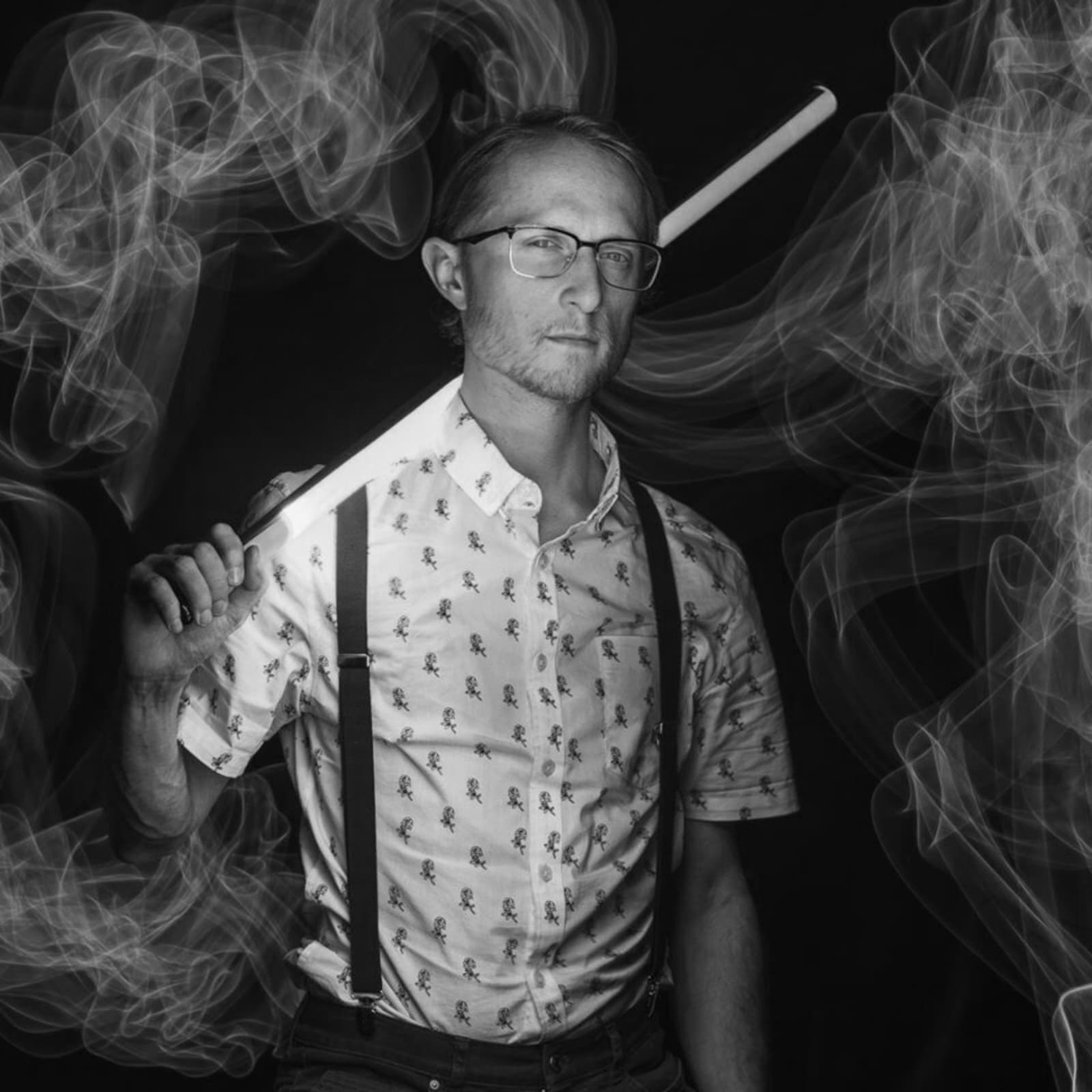
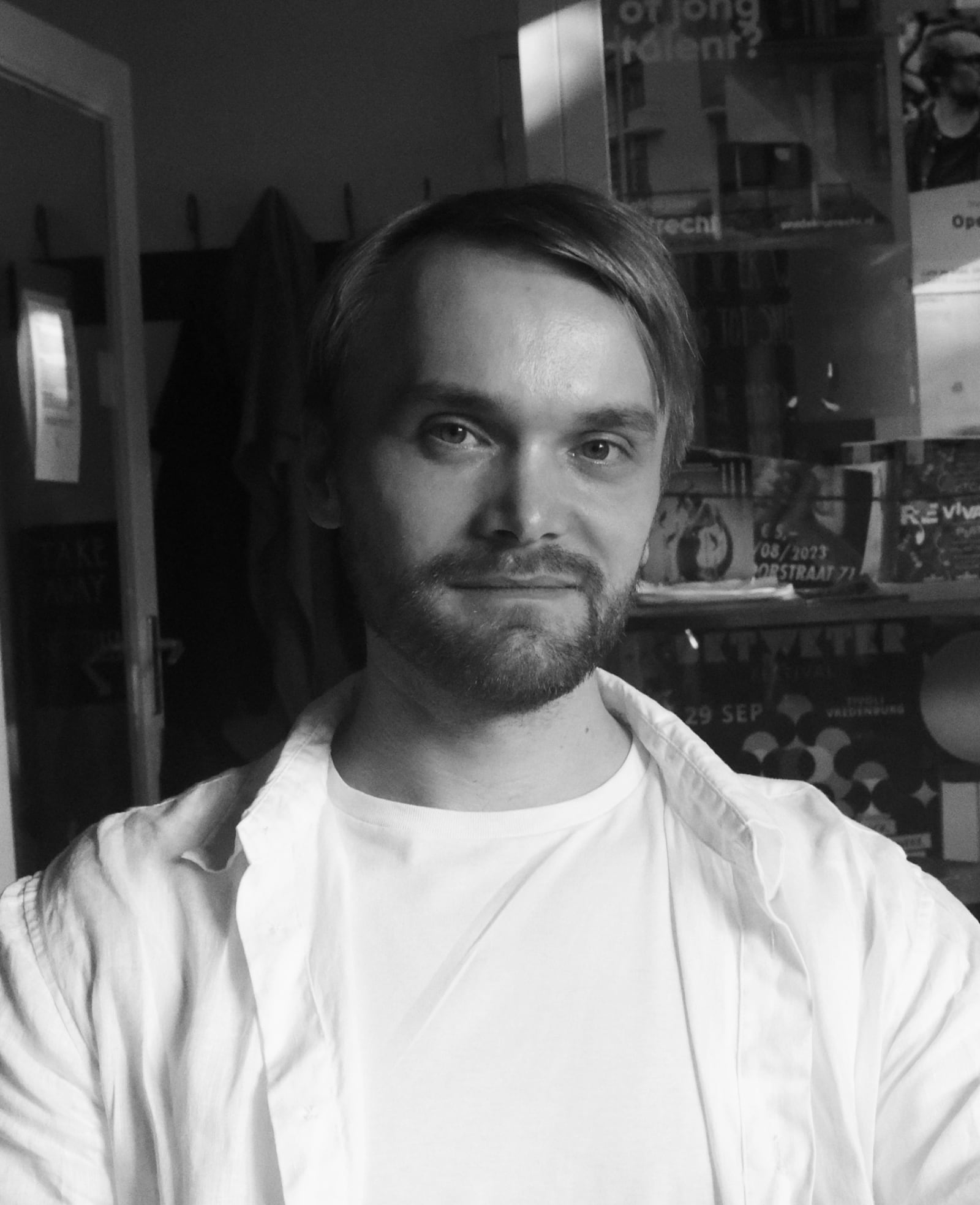
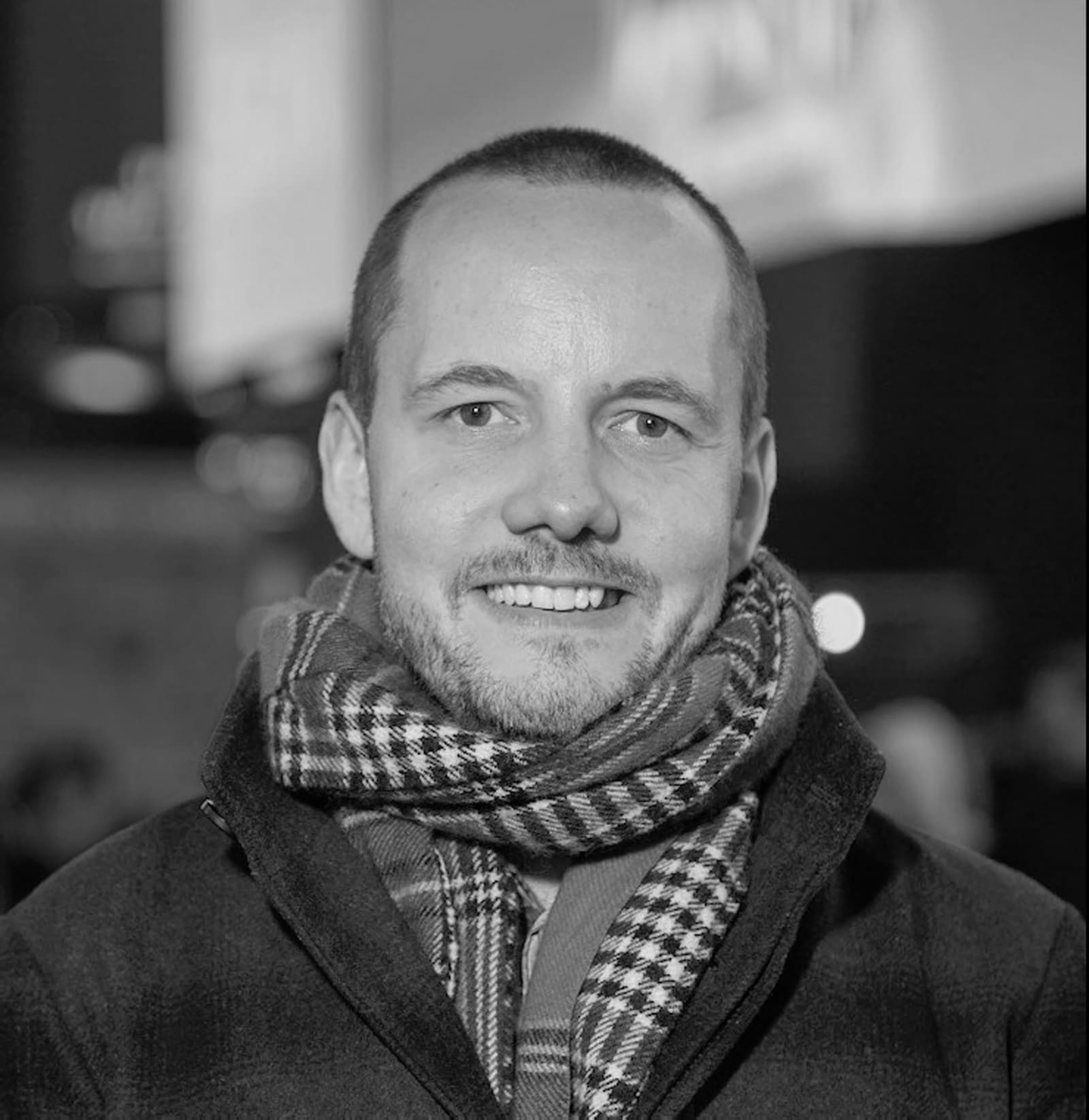
Seph Li (born 1988, Beijing) is a Chinese media artist based in London whose practice explores interactive systems at the intersection of technology, perception, and natural phenomena. Working with real-time computation, he develops poetic, rule-based environments in which dynamic processes such as fluid behavior, flocking systems, and physics-based simulations become the foundation for abstract visual forms. Within these systems, the artist defines the underlying structure, while the resulting imagery is co-created through algorithmic processes and audience interaction, producing works that evolve continuously in response to both code and presence.

Seph Li holds bachelor’s degrees in Computer Science and Digital Design from Tsinghua University and an MFA from the Design|Media Arts department at UCLA. His work has been exhibited internationally in major museums and institutions, where his installations extend beyond static display into participatory experiences that engage viewers directly in the formation of the artwork.


DSC_3234.jpg

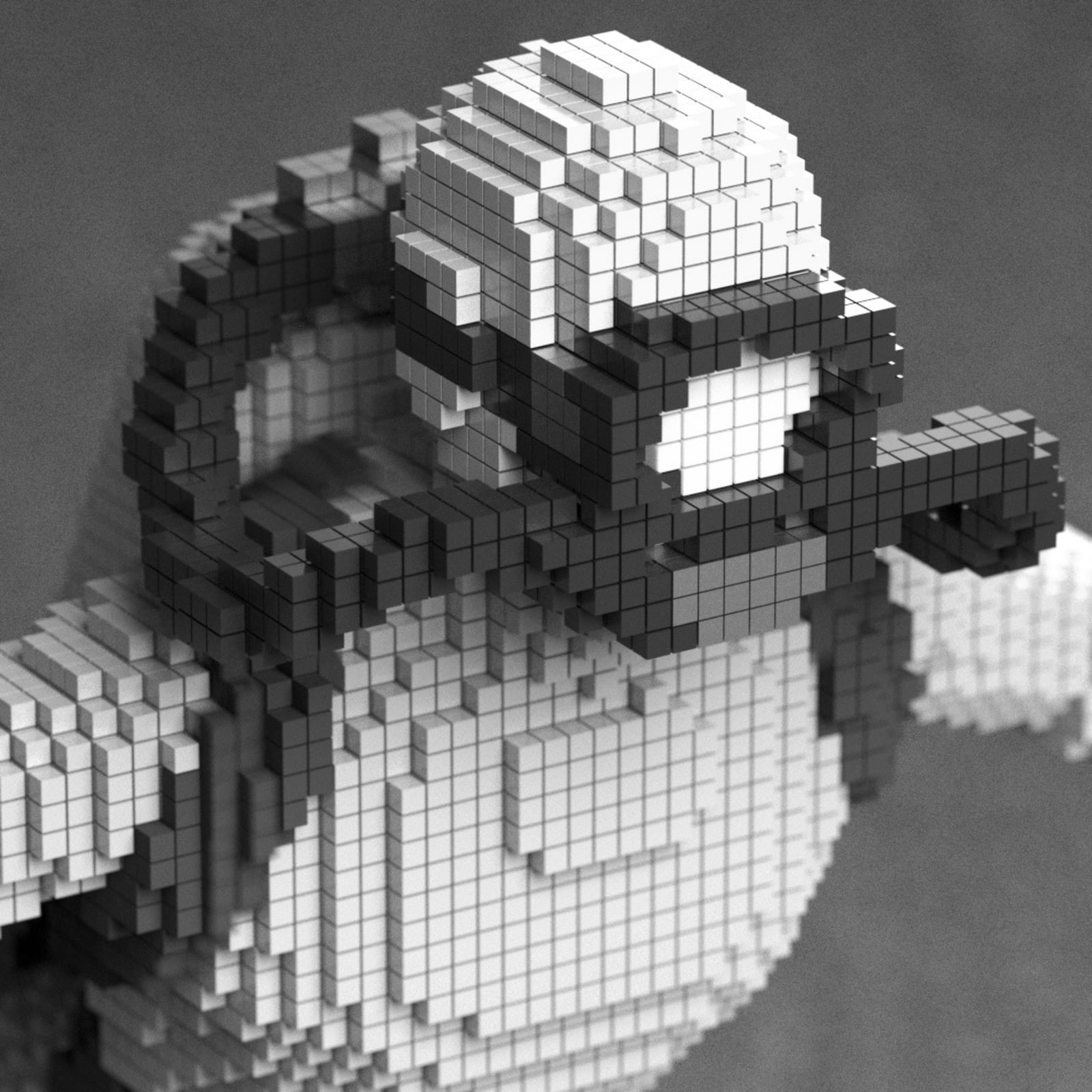
Thus Trees, Thus Us III - Horizontal

Thus_Trees__Thus_Us_III_-_Horizontal_Seph_Li_Generative_art.mp4

Excerpt from a real-time interactive artwork

In the forest, between freely growing trees, a phenomenon called 'crown shyness' naturally occurs: the tree crowns don't overlap, forming channel-like openings. Like human crowds, trees in the forest automatically find their own place. Competing for light, they ultimately find balance through cooperation and maintain their own position.

The title comes from a Chinese idiom - 'If trees were old like this, how can humans survive it?' (树犹如此,人何以堪). Originally, it expresses a lament for the swift passage of time; in this work, it extends to the relationship of competition and cooperation that trees can naturally form, while humans often lose this far-sighted ability in our fast-paced society.

The custom software implements a complex tree growth algorithm that drives real-time light simulations. Trees seek areas of greater light and gradually form crown shyness patterns. An AI-based tracking system is also used, removing the need for heavy stereo cameras or expensive LiDAR devices.

technique

generative art

format

landscape

duration

01:05

year

2025

WANT TO BRING ART INTO YOUR SPACE?

More from Seph Li

More on digital art

Generative art
Generative art refers to a way of creating artworks using an autonomous system. In digital art, these are usually generated from code and algorithms created by the artist, often with certain predefined parameters or systems. Although these parameters guide the final outcome of the work, generative art is generally a surprising way to create artworks, as the results are often unexpected and the number of possible outcomes can be infinite.
AI
AI art is a branch of generative art that uses artificial intelligence. Unlike other generative artworks, AI artworks use specific complex algorithms and models derived from machine learning. The most common methods for creating AI art today are GANs (generative adversarial networks) or proprietary prompting platforms such as ChatGPT, Sora, Midjourney, or Dall-e.
3D
3D art uses 3D software such as Blender, Cinema4D, Houdini, or video game software such as Unity to create works of art. In 3D works, artists can either arrange assets (the 'objects' in a 3D artwork or world) that they have created themselves or purchased from other creators to create elaborate environments and scenes (an approach to 3D art called 'set dressing'), or specialize in sculpting, which involves creating their own objects and assets.
Photogrammetry
Photogrammetry is a specialized 3D technique that allows 3D objects to be created from numerous photographs taken of an object or scene from multiple angles. These photos are then compiled to determine the specific positioning, shape, and dimensions of the object in space, and then converted into a 3D model. Initially developed for engineering and urban planning, photogrammetry has become a way for artists to produce extremely accurate 3D models from real-life images.
Collage
An extension of the traditional, plastic approach to collage, digital collage involves searching for and cutting out multiple images, extracting them from their original context, and recomposing them in a new arrangement to create a work of art. Artists can use their own photographs or find images on the internet.
Illustration
Digital illustrations are created using software such as Adobe Illustrator, Photoshop, or Procreate. As with drawing on paper, the artist uses a stylus to sketch a figure or object, usually on a tablet, to construct a scene or artistic universe. Unlike traditional drawing methods, digital illustration is much more forgiving, as mistakes can be easily corrected and drawn elements and objects can be easily moved around within a scene.
Video
Video artworks primarily use a recording camera, but may sometimes include additional post-processing or editing to distort, modify or add additional elements to the image. Some artists use state-of-the-art recording equipment to create macro zoom-ins or time lapses, privileging fidelity to the subject matter. Others use additional softwares to significantly modify or warp the video, creating an alternative perspective on the world that surrounds us.

Collections with the artist

+500
artists
View more
+10k
artworks
View more

Where did you scan from

RATE YOUR EXPERIENCE