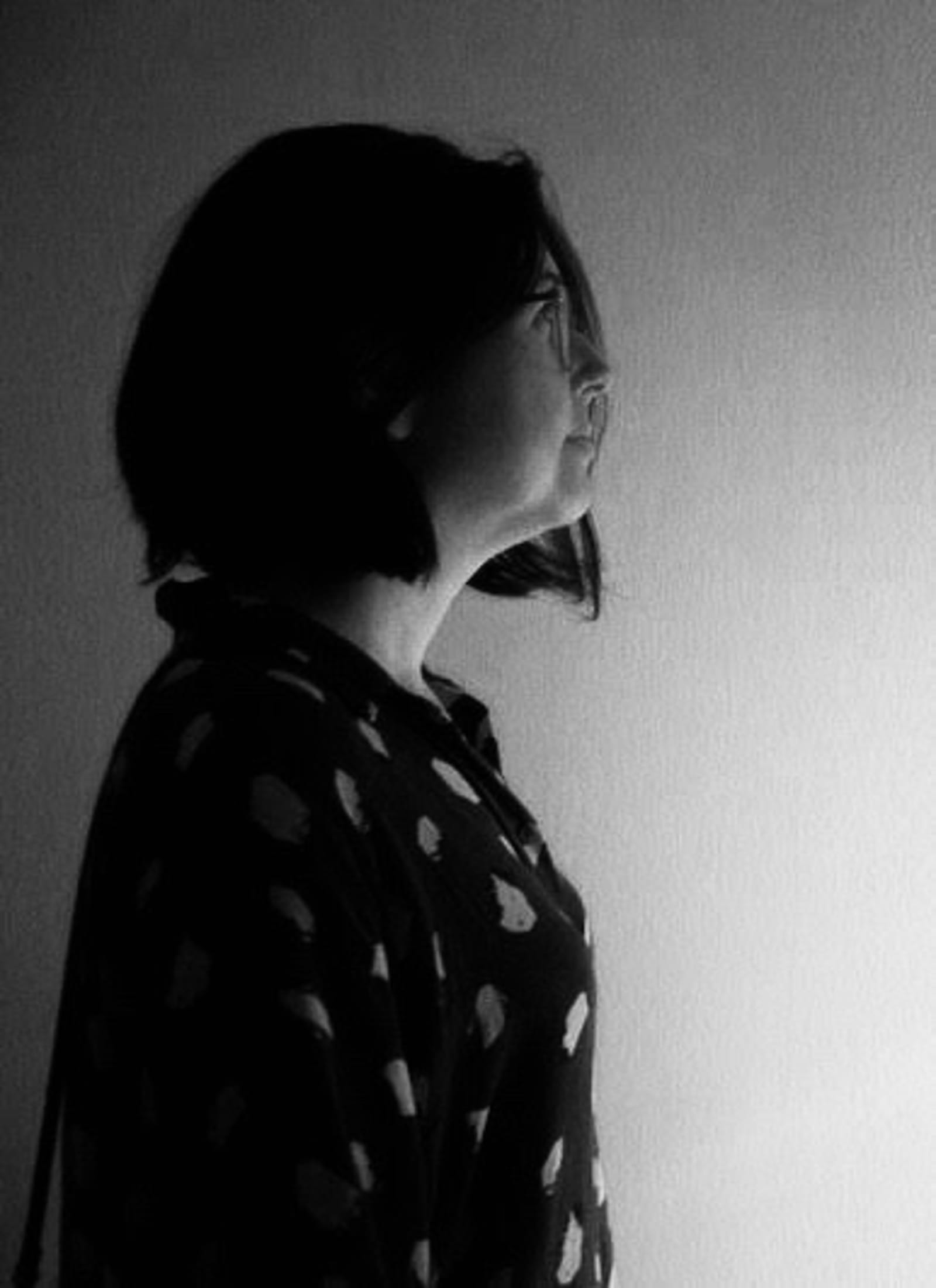
Romantic Machines 013
Romantic Machines 013
- 3D
- Nature
- Abstract
portrait
3d
04:26
2025

Romantic Machines 005 - Horizontal
Andrés Reisinger

Romantic Machines 008
Andrés Reisinger

Romantic Machines 004 - Horizontal
Andrés Reisinger

Romantic Machines 013 - Horizontal
Andrés Reisinger

Romantic Machines 012
Andrés Reisinger

Romantic Machines 015
Andrés Reisinger

Romantic Machines 015 - Horizontal
Andrés Reisinger

Romantic Machines 011 - Horizontal
Andrés Reisinger
Andrés Reisinger (b. 1990, Argentina) is a visual artist and designer based in Madrid and Barcelona, working at the crossroads of the digital and the physical. Trained across digital artworks, large-scale installations, and object design, he has built a distinctive visual language that treats materiality, space, and perception as sites of inquiry rather than fixed conditions. His practice dissolves the boundary between function and illusion, turning digital objects into provocative reflections on technology and culture. What began as an individual practice has evolved into Reisinger Studio, a creative powerhouse where a specialized, multidisciplinary team of artists, designers, and technologists drives the conceptual and technical ambition behind every project.
His work has been shown at institutions including Palazzo Strozzi in Florence, the MAK Museum in Vienna, the Design Museum Gent, Faena Art in Miami, the Pérez Art Museum Miami, Nilufar Gallery in Milan, and the Vitra Design Museum, as well as at Moco Museum in both Amsterdam and Barcelona. In 2024, he stepped into a curatorial role as curator and creative director of Science Fiction Design: From Space Age to Metaverse at the Vitra Design Museum. His practice has extended into public space through the Take Over series of physical installations, staged in cities including Miami, Jeddah, Madrid, Paris, New York, Shanghai, Venice, and Milan. His work has been widely covered by international press, including Forbes, Dezeen, Wallpaper, Vogue, and Architectural Digest, and recognized with the Young Guns award (2017) and inclusion in Forbes 30 Under 30 (2020).

Romantic Machines 013
The Romantic Machines series is part of an ongoing body of work Andrés Reisinger has been developing over the past five years, exploring how the emotional sensitivity and atmospheric qualities of Impressionism can be translated into the digital realm.
The works begin through a hybrid process combining photography, scans of flowers, painterly gestures, and fragments of brushstrokes, which are then reconstructed within volumetric 3D environments. Through the use of virtual camera lenses, depth of field, motion blur, and temporal processing techniques that generate multiple layers of interpolated frames beyond real-time capture, the pieces drift into a space between memory, painting, and simulation.
All of the works belong to a dreamlike universe inspired by plants, flowers, and organic forms. Nature becomes both subject and emotional language, allowing the artist to soften the coldness of machines and bring a sense of romance, fragility, and human intimacy into digital space.
Rather than attempting to imitate traditional painting, the works seek to expand its emotional logic through contemporary tools and technologies.
3d
portrait
04:26
2025
More from Andrés Reisinger
More on digital art
Collections with the artist