Pattern in Motion #2
Pattern in Motion #2
- Video
- Dynamic
landscape
video
02:48
2023


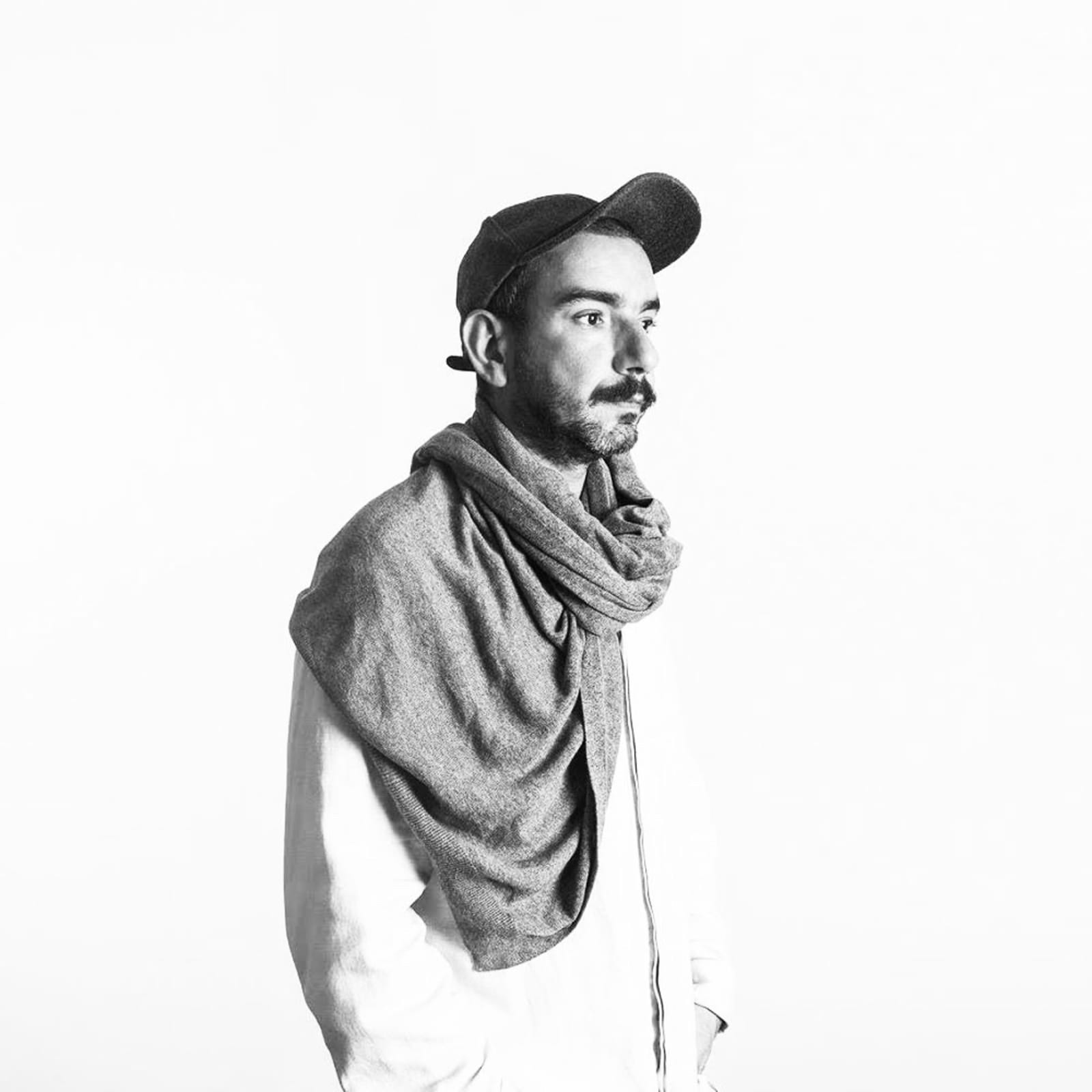
Born in Israel, Omer Ga’ash is an explorer of the human form, using digital photography to navigate the complex relationships between body, environment, and human connection. Currently based in London, Ga’ash completed his MA in Design Expanded Practice at Goldsmiths, University of London (with distinction) in 2021, following a BA in Visual Communications from Bezalel Academy of Arts and Design in 2011. Ga’ash’s approach is first and foremost aesthetic, always in search of unexpected beauty within the human form. By stripping his subjects of context, he reduces them to symbols, shapes, and forms that transcend individual identity. His models—often faceless or obscured—are archetypes, standing in for the universal ‘Everyman.’ The artist’s background in maps, aerial photography, and architecture gives him a unique perspective, allowing him to merge figures with their surroundings in ways that blur the lines between the body and its environment. Ga’ash’s photographic works often employ digital compositing to manipulate space and form, creating compositions where bodies become both the map and the territory.
Ga’ash’s artistic practice is encapsulated in his project Mapping Bodies, a comprehensive series created between 2016 and 2023, which weaves a narrative around the human form by examining its interaction with nature, architecture, and other bodies. In the series Making the Corporeal Abstract, Ga’ash takes this exploration further by transforming nude bodies into intricate patterns. These patterns, which blur the boundaries between the natural and the supernatural, are applied to various materials, expanding their application into fashion, interior design, and beyond. Through repetition and the intensity of color, he dissolves distinctions of gender, race, and age, inviting viewers to see beyond superficial differences. His work has been exhibited in the UK and Israel at venues including the Shoreditch Art Club, Tel-Aviv Museum of Art, and the Tel Aviv Biennale of Crafts and Design. His striking visual style has garnered features in publications such as METAL Magazine, Swarm Magazine, and Dodho Magazine.

Pattern in Motion #2
In Pattern in Motion, Omer Ga'ash continues his exploration of the body as both subject and abstract form, transforming the corporeal into rhythmic visual structures. These works build on his practice of stripping individuals of personal context, reducing them to symbols that reflect universal human experience.
Through digital manipulation, the body is repeated, mirrored, and woven into intricate patterns—forms that do not exist in nature yet evoke something organic, architectural, and almost supernatural. This process erases distinctions of identity, blurring the boundaries between gender, race, and geography, and creating a sense of interconnectedness between figures that may never meet in reality.
Pattern suggests infinity; its variations are endless. By engaging with these images from a distance and up close, the viewer shifts between seeing abstraction and recognizing human forms. The tension between repetition and individuality is central to my work, inviting a meditation on presence, absence, and the shared nature of human existence.
video
landscape
02:48
2023
More from Omer Ga'ash
More on digital art
Collections with the artist