Oslo to Bergen
Oslo to Bergen
- Collage
- Photography
- Figurative
- Architecture
portrait
collage
02:59
2025

Paris Metro
Katie Edwards
Oslo to Bergen
Katie Edwards

Haarlem to Leiden
Katie Edwards

Glasgow to Mallaig
Katie Edwards

Turku to Stockholm
Katie Edwards

Genoa to Marseille
Katie Edwards

New York City Subway
Katie Edwards

Berlin to Prague
Katie Edwards
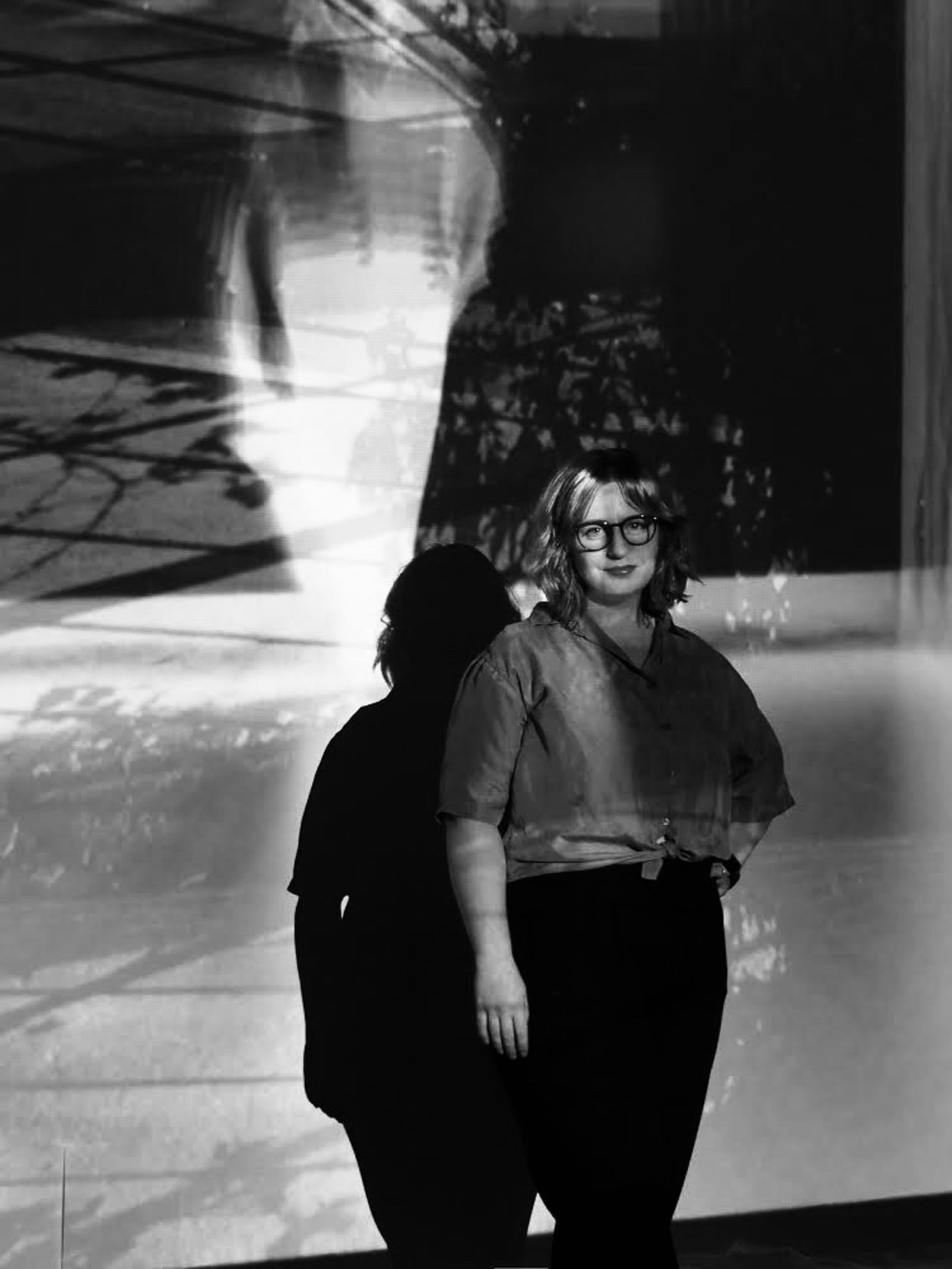
Katie Edwards is a UK-based photographer who captures landscapes and urban environments through the frame of train windows, transforming fleeting moments of transit into carefully composed, sustained visual compositions. Using the window as a constant compositional device, she isolates gestures, patterns, and fragments of landscape that might otherwise pass unnoticed. Shooting thousands of images in motion and refining them through careful editing, she assembles moments that balance documentary precision with a poetic sense of atmosphere. This process allows vast territories to become perceptible and intimate, reframing travel as visual discovery and construction.
Among her notable projects is a series on the Dutch tulip fields, and another created during a 10,000-mile train journey across the United States, presenting diverse geographies through the recurring motif of the train window. Her photographs have been featured in publications including BBC, The Times, Condé Nast Traveller, and Wallpaper, with The Times’ Chief Art Critic Laura Freeman observing that her images encourage viewers to see even their daily commute with renewed attention. Her work has attracted a broad international audience, with more than 90,000 followers across Instagram and TikTok engaging with her evolving archive of land- and cityscapes captured in motion.
Oslo to Bergen
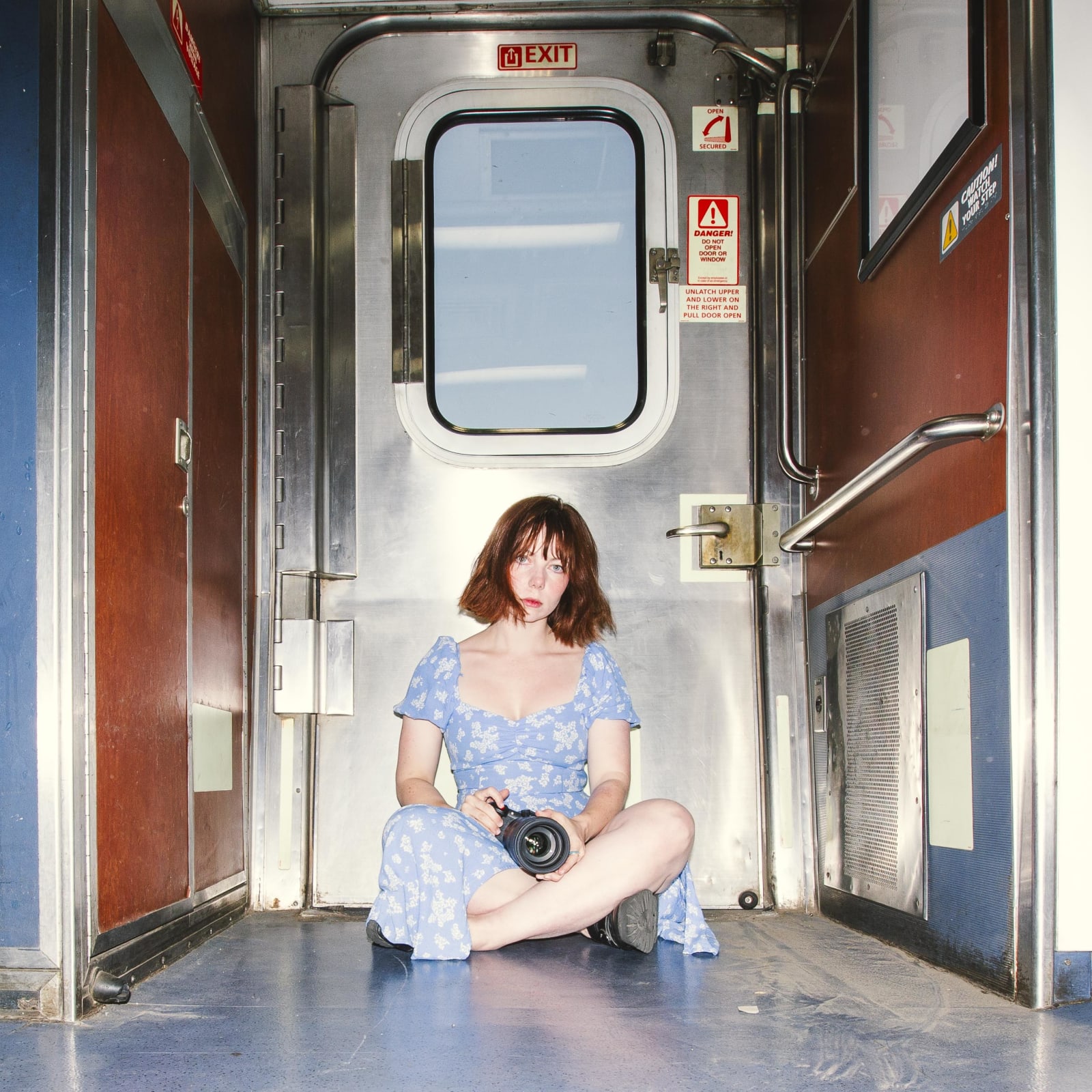
This film follows the route from Oslo to Bergen, passing glaciers, fjords, and even a woman with her hair blowing in the wind - whom I later connected with on Instagram after she recognised herself in the video. I was captivated by this square window with rounded corners; to me, every window shape gives a film its own distinct personality.
I photograph the world through train windows. Each journey generates thousands of images - fleeting, peripheral moments that might otherwise go unnoticed. Only later, in the edit, do I become the photographer: reaching back through time, isolating details, and weaving fragments into short video works.
Using the train window as a constant frame, I collect individual gestures - a kiss, a bird in flight, a field of tulips, a stretch of coastline - and stitch them into linear panoramas and rhythmic sequences. Repetition and accumulation transform these moments into patterns. The frame becomes a tool for understanding scale, for making the vast graspable.
These works invite viewers to travel with me, to see the overlooked, and to recognise themselves within the passing landscape when I share my work online. They form a social network atop the rail network - a quiet attempt to connect across distance through shared, framed moments of everyday life and the glass of the train window.
collage
portrait
02:59
2025
More from Katie Edwards
More on digital art
Collections with the artist