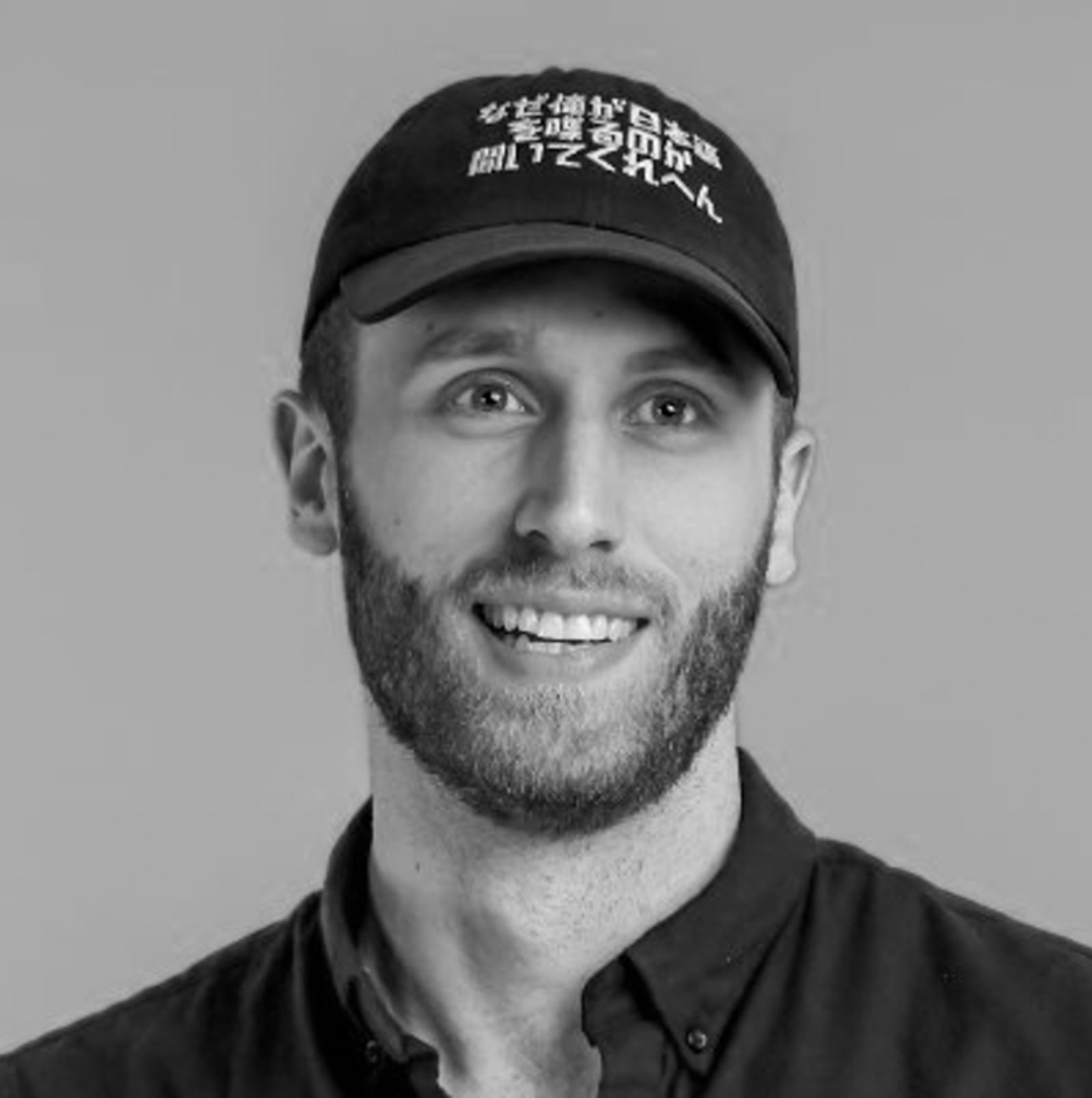
François Vogel

France

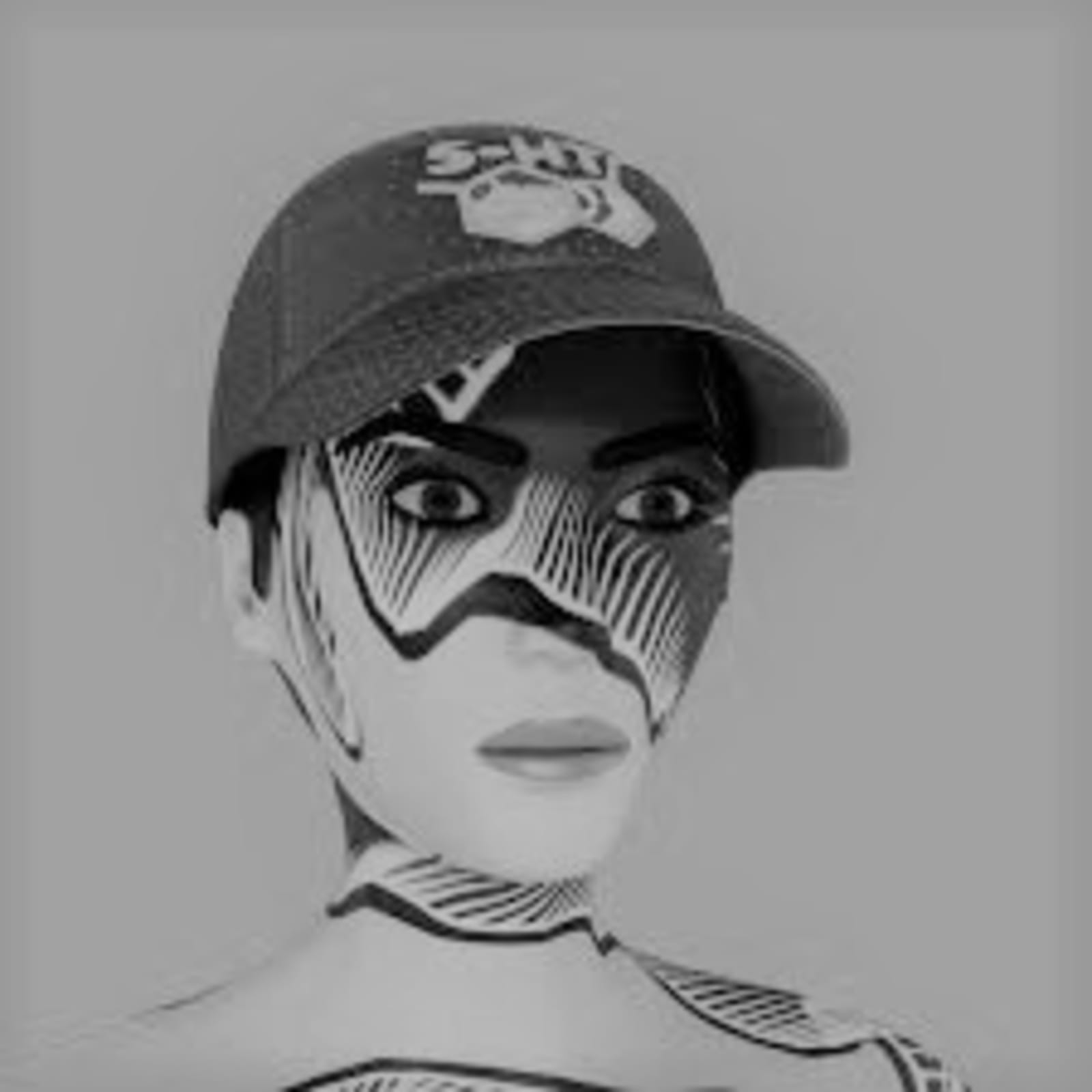
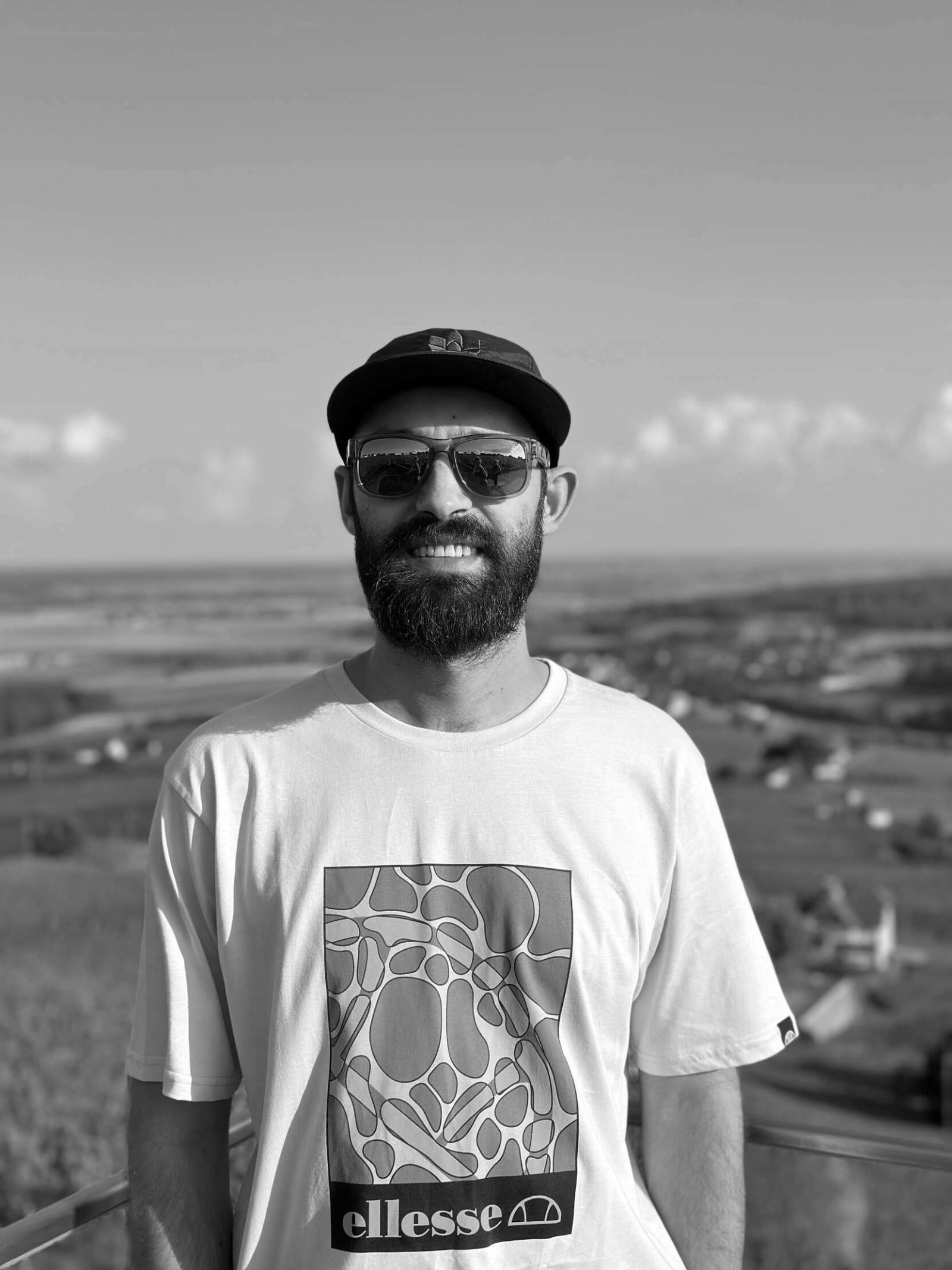
François Vogel is a French artist, researcher and director born in Meudon in 1971 who creates short films, music videos, commercials, video installations and photographs. His world, as absurd as it is poetic, has the ambition to manipulate our perception of reality, stretching it, distorting it, fragmenting it… Thus, for this artist, passionate about the principle of distortion, the discovery of the pinhole was a major event in his career. This small hole drilled in a black box allowing to make photography without lens allows the light to go directly from the real world to the image, just through the air. It’s pure and almost mathematical. He searched for the maximum geometrical possibilities of this process by twisting the photographic paper in the box, crumpling it, folding it, etc. Later, he found a way to reproduce these twists using a computer.


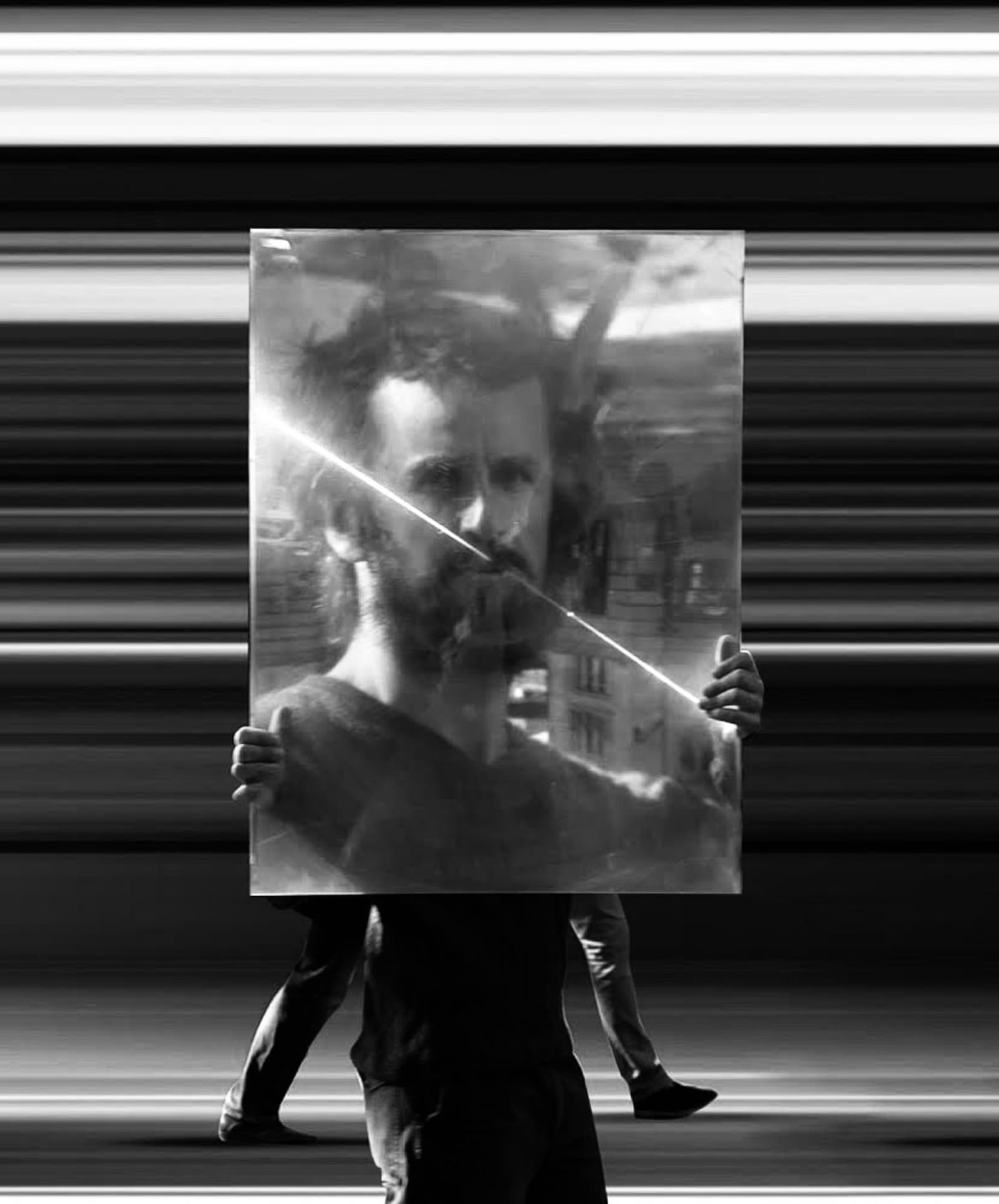
François Vogel uses digital or optical tools to distort reality. The images he films are trapped by spatio-temporal deformation devices that modify them without altering them. He thus diverts our perception with new laws of perspective, plays with our gaze, manipulates our vision and plunges us into a distorted and singular universe.

François_Vogel_Photography.JPG

Elongations Boulevard

Elongations_Boulevard_François_Vogel_Photography.mp4
This sequence is taken from the “Elongation” installation. The original installation consists of 12 HD screens. It shows us a unique vision of the city. Passers-by and cars seem trapped inside an urban landscape that stretches to infinity to abstraction. François Vogel, skillfully manipulating images, subjects our gaze to new laws to bring us with humour and poetry into another field of vision, a field of vision where time and space intertwine.

Passionate about photography since childhood, and an engineer at heart, François Vogel explores in the art of photography and video the deformations produced by coordinate inversions. At the frontiers of art and science, the work of François Vogel offers a journey into the moving spheres of space and time. 
technique

photography

format

landscape

duration

01:17

year

n/a

WANT TO BRING ART INTO YOUR SPACE?

More from François Vogel

More on digital art

Generative art
Generative art refers to a way of creating artworks using an autonomous system. In digital art, these are usually generated from code and algorithms created by the artist, often with certain predefined parameters or systems. Although these parameters guide the final outcome of the work, generative art is generally a surprising way to create artworks, as the results are often unexpected and the number of possible outcomes can be infinite.
AI
AI art is a branch of generative art that uses artificial intelligence. Unlike other generative artworks, AI artworks use specific complex algorithms and models derived from machine learning. The most common methods for creating AI art today are GANs (generative adversarial networks) or proprietary prompting platforms such as ChatGPT, Sora, Midjourney, or Dall-e.
3D
3D art uses 3D software such as Blender, Cinema4D, Houdini, or video game software such as Unity to create works of art. In 3D works, artists can either arrange assets (the 'objects' in a 3D artwork or world) that they have created themselves or purchased from other creators to create elaborate environments and scenes (an approach to 3D art called 'set dressing'), or specialize in sculpting, which involves creating their own objects and assets.
Photogrammetry
Photogrammetry is a specialized 3D technique that allows 3D objects to be created from numerous photographs taken of an object or scene from multiple angles. These photos are then compiled to determine the specific positioning, shape, and dimensions of the object in space, and then converted into a 3D model. Initially developed for engineering and urban planning, photogrammetry has become a way for artists to produce extremely accurate 3D models from real-life images.
Collage
An extension of the traditional, plastic approach to collage, digital collage involves searching for and cutting out multiple images, extracting them from their original context, and recomposing them in a new arrangement to create a work of art. Artists can use their own photographs or find images on the internet.
Illustration
Digital illustrations are created using software such as Adobe Illustrator, Photoshop, or Procreate. As with drawing on paper, the artist uses a stylus to sketch a figure or object, usually on a tablet, to construct a scene or artistic universe. Unlike traditional drawing methods, digital illustration is much more forgiving, as mistakes can be easily corrected and drawn elements and objects can be easily moved around within a scene.
Video
Video artworks primarily use a recording camera, but may sometimes include additional post-processing or editing to distort, modify or add additional elements to the image. Some artists use state-of-the-art recording equipment to create macro zoom-ins or time lapses, privileging fidelity to the subject matter. Others use additional softwares to significantly modify or warp the video, creating an alternative perspective on the world that surrounds us.

Collections with the artist

  • Heads_V_Jon_Noorlander_3D.mp4
    Body Morph
    27 artworks
  • Sunset_Vibes__Stéphanie_Varela_Video.mp4
  • The_Chase_Mikhail_Parkhomenka_Video.mp4
  • Eternal_Road_Trip_MOLI_3D.mp4
  • Beach_Zone_Gavin_Shapiro_3D.mp4
  • Paris_Bloom_Vacades_3D.mp4
  • Spiral_Moon_Loh_Generative_art.mp4
  • Resonance_of_the_Soul_Barış_Varujan_Kabalak_3D.mp4
  • +500
    artists
    View more
    +10k
    artworks
    View more

    Where did you scan from

    RATE YOUR EXPERIENCE