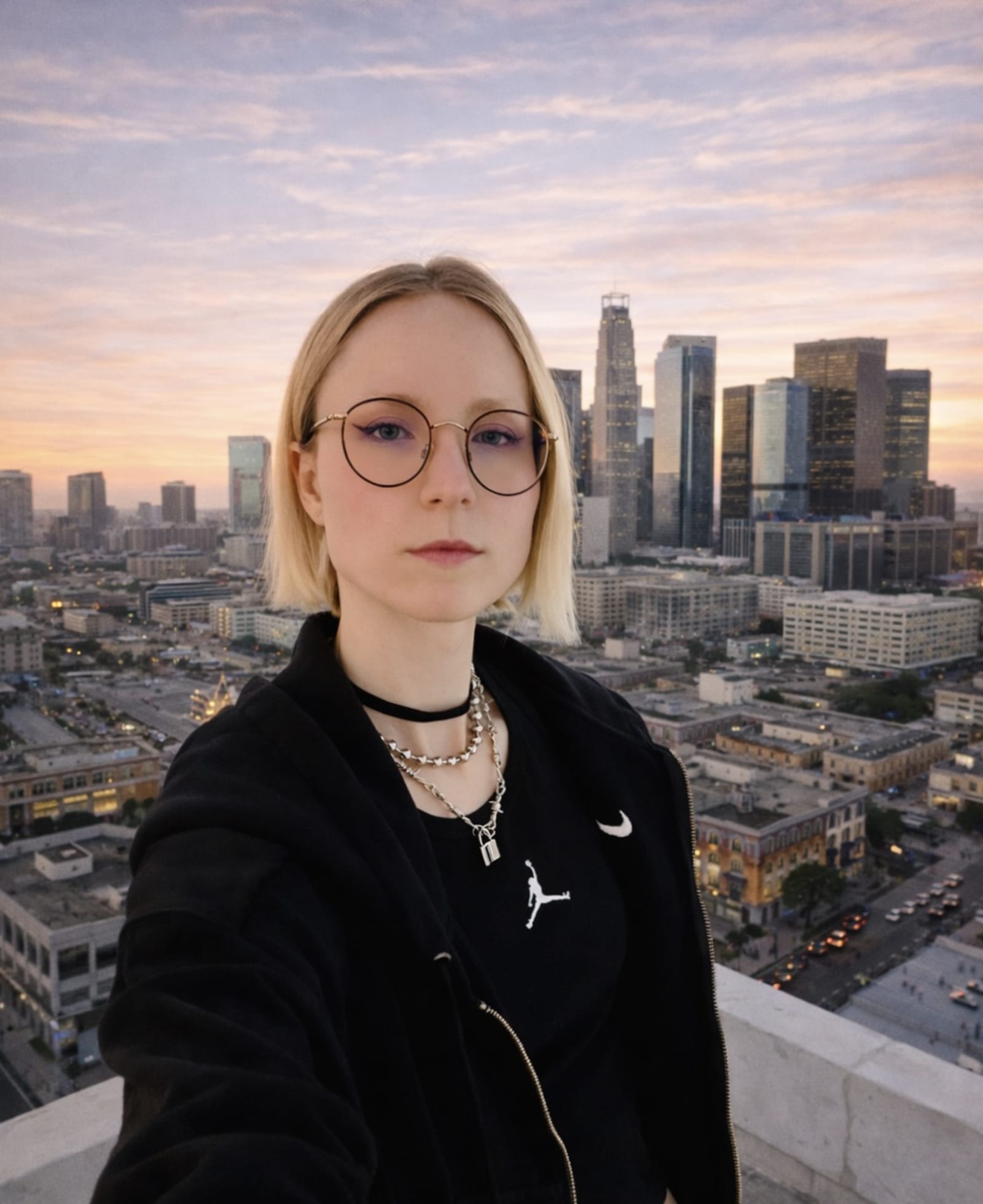
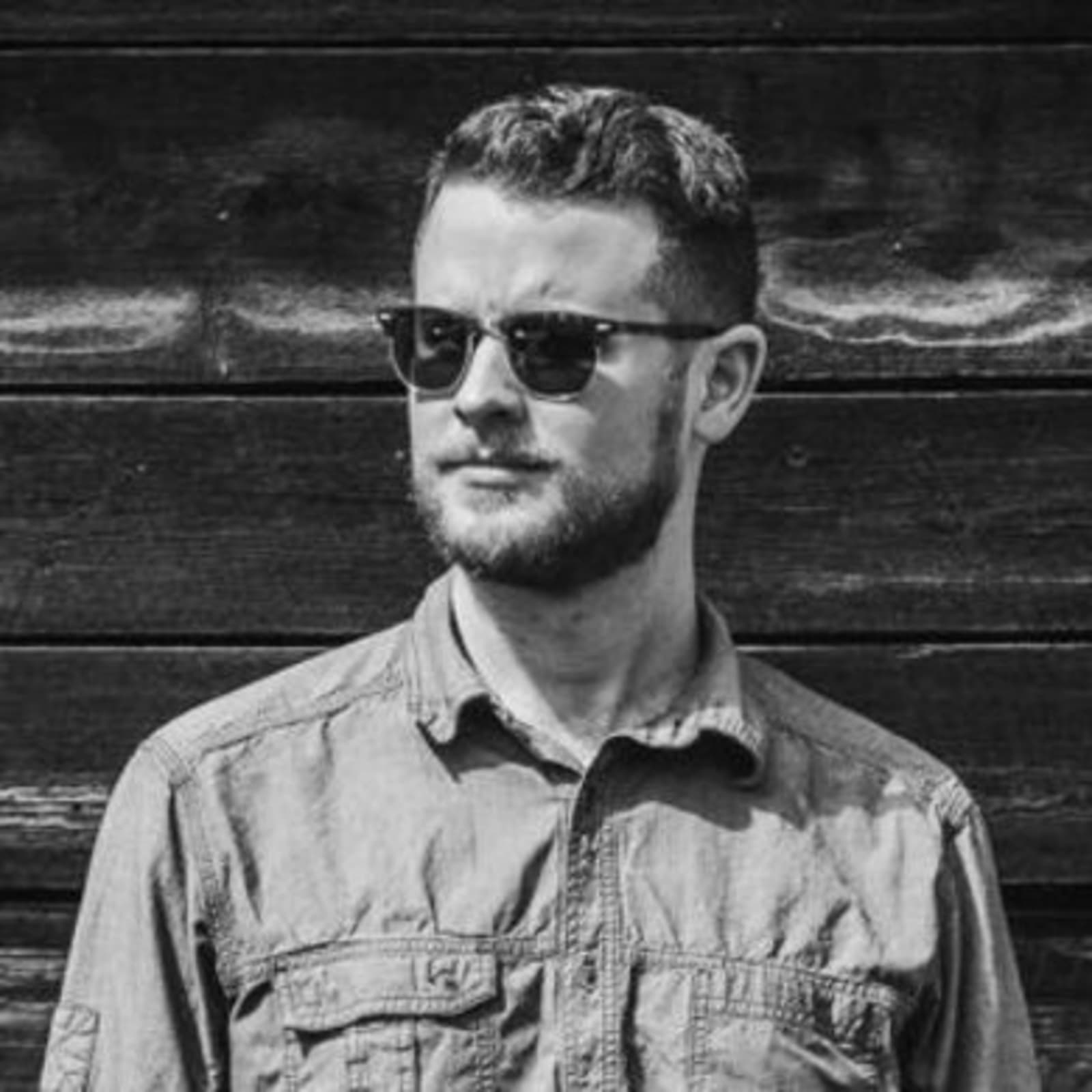
Boris Seewald is a Berlin-based video director whose work approaches moving image as a form of visual choreography, arranging images rhythmically in dialogue with music and sound. Drawn to experimental and unconventional approaches, he combines abstract animation, mixed media, and live-action footage, developing films shaped by a strong post-production sensibility. Following a decade working in post-production as an editor and animator, his multidisciplinary practice reflects a director’s perspective rooted in editing and image manipulation.

Honoured with awards including the Cinedans Dioraphte Jury Award and a Promax Gold Award, and nominated for the Deutsche Kamerapreis, Seewald has developed a body of films recognised for their visual precision and musicality. He has collaborated with musicians such as Ralf Hildenbeutel, Francesco Tristano, Sebastian Plano, Alica Sara Ott, and Nemanja Radulovic, and worked with institutions and brands including Adobe, Deutsche Grammophon, Universal Music, Warner Music, Konzerthaus Berlin, Berliner Philharmoniker, Staatsoper Unter den Linden, Opéra National de Paris, Berlinische Galerie, and Arte, among others.


ProfilePhoto_BorisSeewald_02.jpg

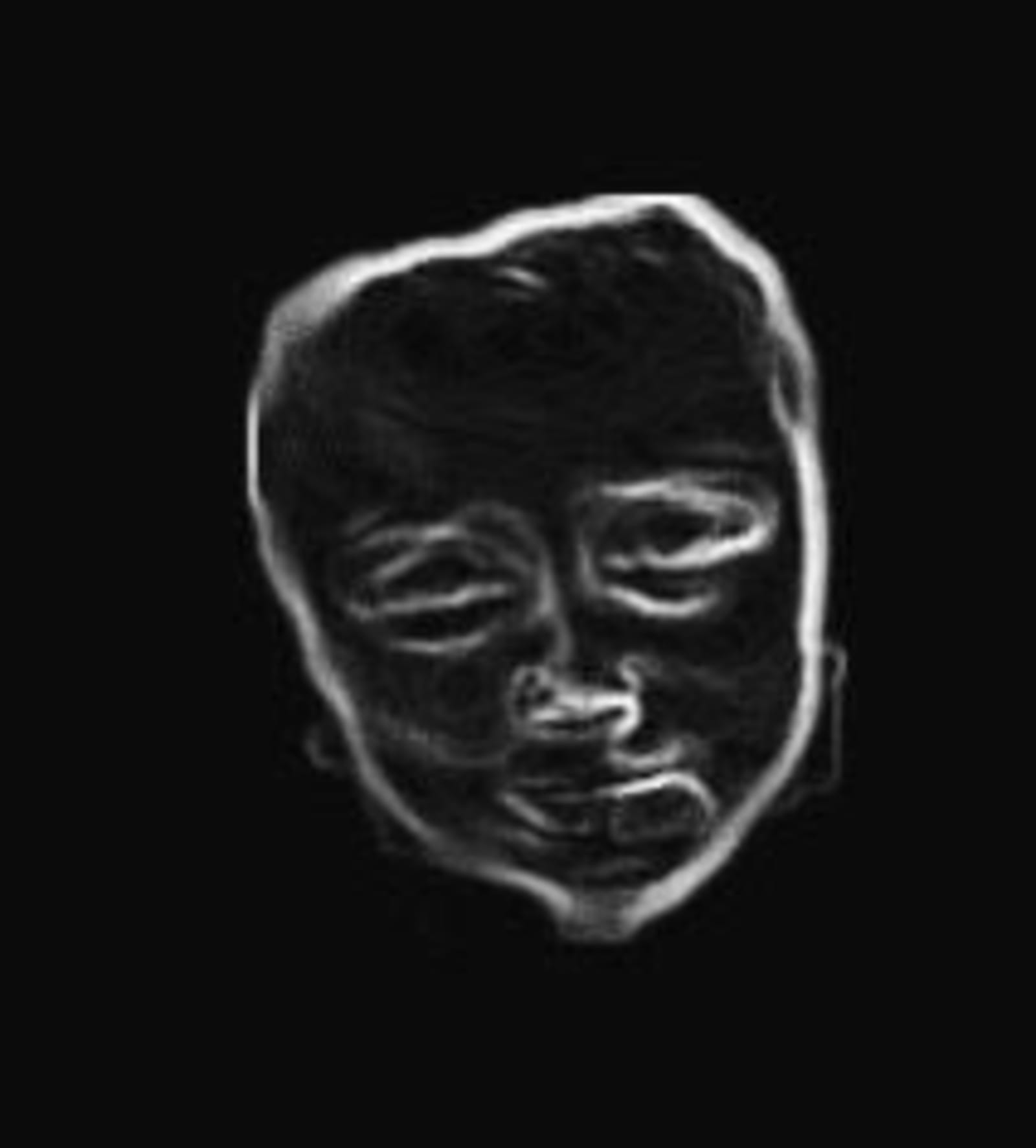
Dance in Flux - Horizontal

06_DanceinFlux_16x9.mp4

Lost in trance, a dancer pulses through a glitchy analog animation.

technique

illustration

format

landscape

duration

01:03

year

2024

WANT TO BRING ART INTO YOUR SPACE?

More from Boris Seewald

More on digital art

Generative art
Generative art refers to a way of creating artworks using an autonomous system. In digital art, these are usually generated from code and algorithms created by the artist, often with certain predefined parameters or systems. Although these parameters guide the final outcome of the work, generative art is generally a surprising way to create artworks, as the results are often unexpected and the number of possible outcomes can be infinite.
AI
AI art is a branch of generative art that uses artificial intelligence. Unlike other generative artworks, AI artworks use specific complex algorithms and models derived from machine learning. The most common methods for creating AI art today are GANs (generative adversarial networks) or proprietary prompting platforms such as ChatGPT, Sora, Midjourney, or Dall-e.
3D
3D art uses 3D software such as Blender, Cinema4D, Houdini, or video game software such as Unity to create works of art. In 3D works, artists can either arrange assets (the 'objects' in a 3D artwork or world) that they have created themselves or purchased from other creators to create elaborate environments and scenes (an approach to 3D art called 'set dressing'), or specialize in sculpting, which involves creating their own objects and assets.
Photogrammetry
Photogrammetry is a specialized 3D technique that allows 3D objects to be created from numerous photographs taken of an object or scene from multiple angles. These photos are then compiled to determine the specific positioning, shape, and dimensions of the object in space, and then converted into a 3D model. Initially developed for engineering and urban planning, photogrammetry has become a way for artists to produce extremely accurate 3D models from real-life images.
Collage
An extension of the traditional, plastic approach to collage, digital collage involves searching for and cutting out multiple images, extracting them from their original context, and recomposing them in a new arrangement to create a work of art. Artists can use their own photographs or find images on the internet.
Illustration
Digital illustrations are created using software such as Adobe Illustrator, Photoshop, or Procreate. As with drawing on paper, the artist uses a stylus to sketch a figure or object, usually on a tablet, to construct a scene or artistic universe. Unlike traditional drawing methods, digital illustration is much more forgiving, as mistakes can be easily corrected and drawn elements and objects can be easily moved around within a scene.
Video
Video artworks primarily use a recording camera, but may sometimes include additional post-processing or editing to distort, modify or add additional elements to the image. Some artists use state-of-the-art recording equipment to create macro zoom-ins or time lapses, privileging fidelity to the subject matter. Others use additional softwares to significantly modify or warp the video, creating an alternative perspective on the world that surrounds us.

Collections with the artist

+500
artists
View more
+10k
artworks
View more

Where did you scan from

RATE YOUR EXPERIENCE