Orange Sanguine
Chloé Savard

Tour Eiffel - Horizontal
Chloé Savard

Hug
Chloé Savard

Cytoplasme
Chloé Savard

Evaporation - Horizontal
Chloé Savard

Microverse Adventures - Horizontal
Chloé Savard

Paix
Chloé Savard

Orange Sanguine - Horizontal
Chloé Savard
Chloé Savard is a Montreal-based artist and microbiologist. Originally trained as a musician, she turned to microbiology as a way to explore new scientific and creative perspectives. Under the pseudonym @tardibabe on Instagram, TikTok, and YouTube, she uses a microscope and her iPhone to capture striking images and videos of microorganisms—transforming drops of water into mesmerizing visual landscapes. Her work blends art and science, revealing the hidden beauty and complexity of microscopic ecosystems while raising awareness about their fragility.
Her unique approach has earned her two honorable mentions in the 2022 Nikon Small World In Motion competition. She has also showcased her work at events like the SPHÈRE Festival at Canada’s National Arts Centre. Through collaborations with scientific and cultural institutions, Chloé shares her discoveries with a wide audience, helping to democratize microbiology and inspire a new generation of observers of the invisible world.

Bdelloid

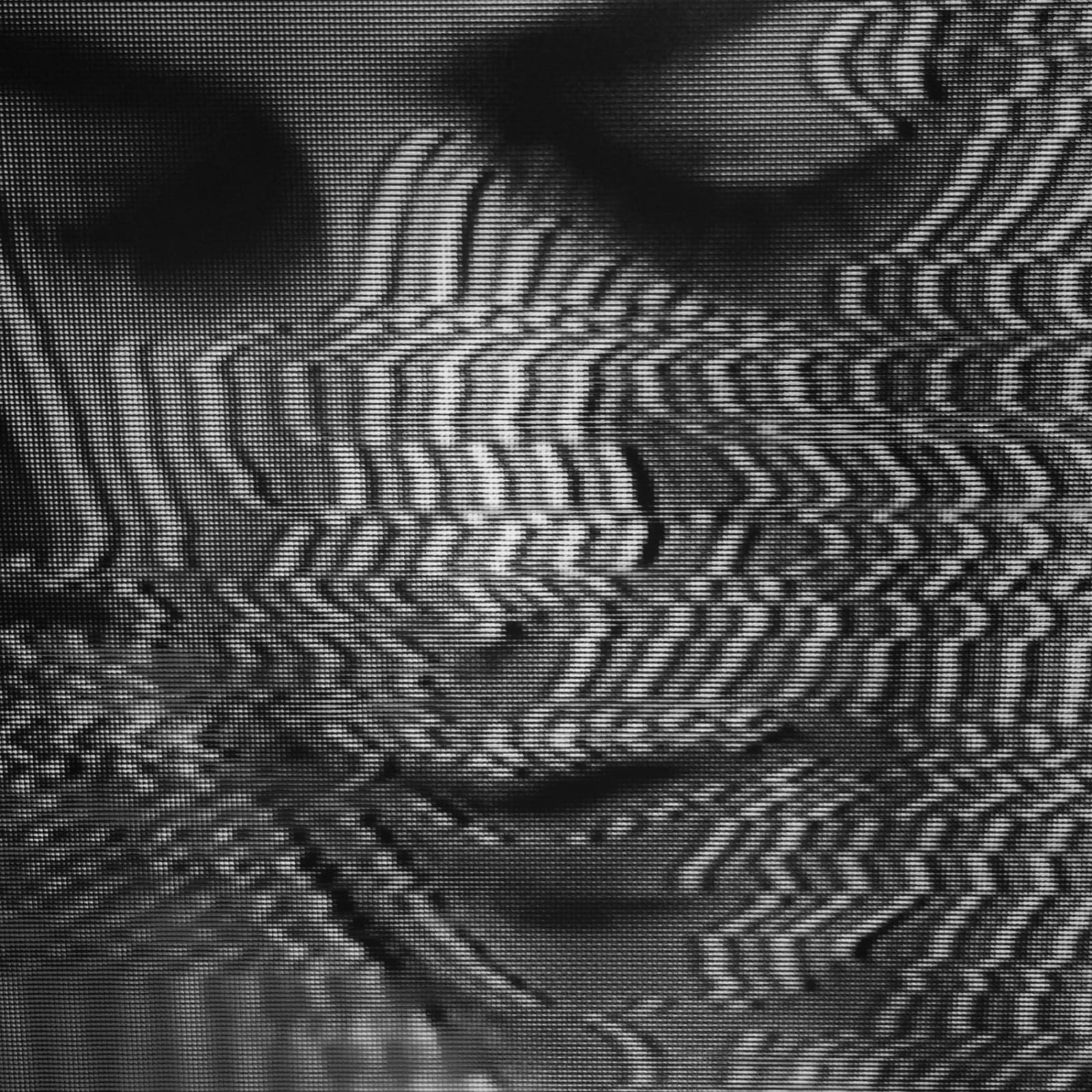
Blood berries, called Haematococcus pluvialis, are unicellular green algae that have the ability to enter a resting state where they accumulate a red ketocarotenoid pigment called astaxanthin. This pigment is even used to commercially colour the flesh of salmon.
When blood berries are under stressful conditions such as intense light, high salinity, nitrogen and phosphate deprivation, they accumulate antioxidant carotenoids which are believed to protect the cell from photooxidative damages. Astaxanthin acts as sunscreen and partially blocks blue light from penetrating the cell and from damaging the precious chloroplasts!
video
landscape
02:03
2021
More from Chloé Savard
More on digital art
Collections with the artist