MIDLIFE CRISIS
MIDLIFE CRISIS
- 3D
- Figurative
- Dynamic
format
portrait
technique
3d
duration
03:12
year
n/a
Transport
3D
Dynamic
Figurative
MIDLIFE CRISIS
Stefan Wagner

3D
Dynamic
Figurative
KITCHEN SINK
Stefan Wagner

3D
Dynamic
Figurative
VERY IMPORTANT INFORMATION ON THE BACK
Stefan Wagner

3D
Dynamic
Figurative
SAME DAY DELIVERY
Stefan Wagner

Figurative
3D
Dynamic
AUTHORIZED PERSONNEL ONLY
Stefan Wagner

Figurative
3D
Dynamic
TEQUILA SUNRISE
Stefan Wagner

Dynamic
Figurative
3D
FORM FOLLOWS FUNCTION
Stefan Wagner

3D
Dynamic
Figurative
TRANS FATTY ACID
Stefan Wagner
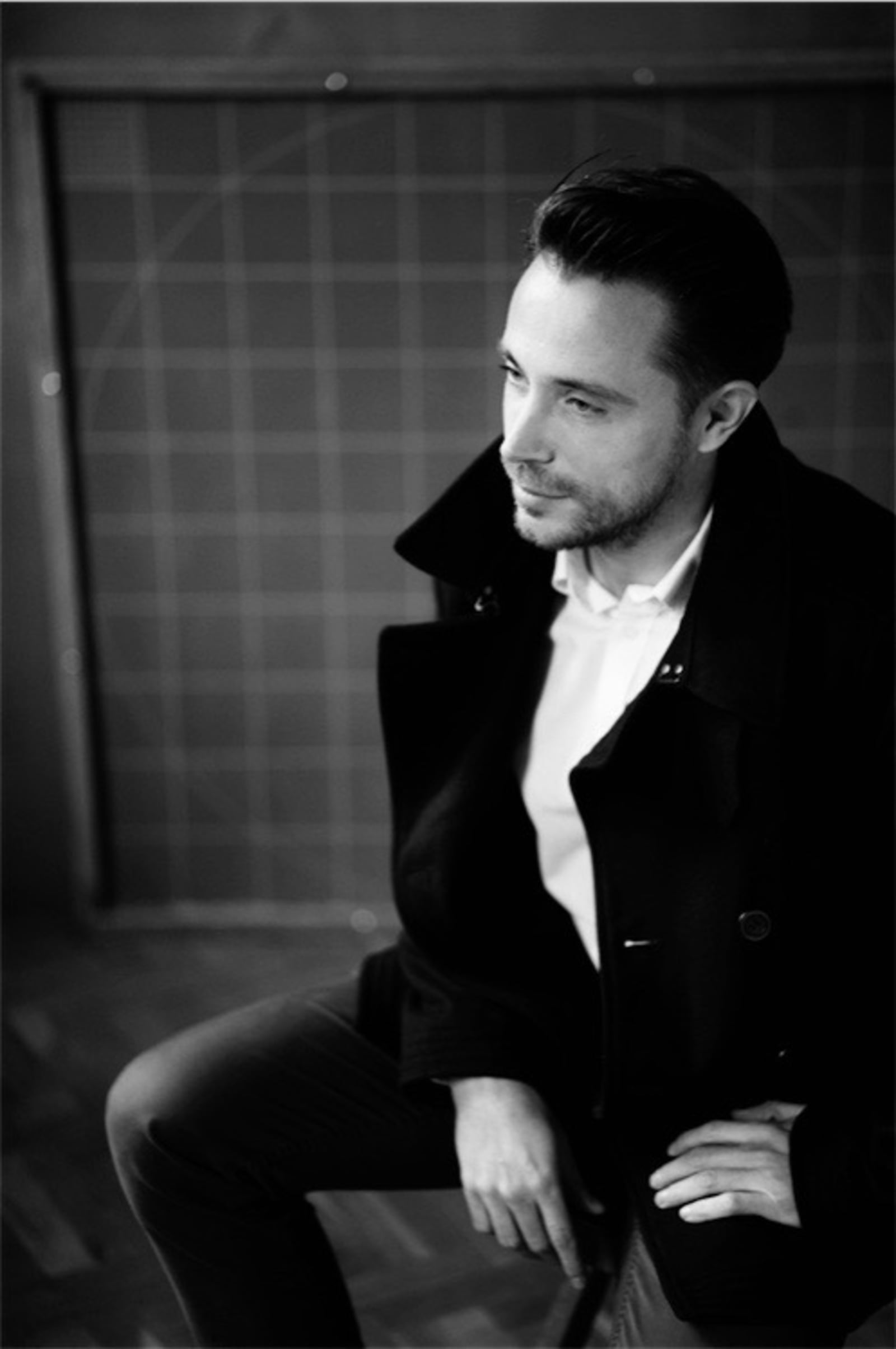
Stefan Wagner est un artiste et concepteur 3D basé à Berlin, passionné par le développement visuel et l'exploration créative. Issu du milieu du cinéma et de la photographie, il a étudié le cinéma et les médias basés sur le temps à Mayence, où il a découvert sa curiosité pour l'imagerie générée par ordinateur. Après avoir déménagé à Berline en 2019, il a commencé à travailler en tant que freelance, principalement dans le domaine de la visualisation architecturale et de produits photoréalistes. Ressentant une forte envie de contrebalancer les exigences créatives et intellectuellement limitatives des productions commerciales, il a commencé à travailler sur des projets annexes expérimentaux sous le nom de 'gezeisel'.
Ayant un large éventail d'intérêts dans la musique, le cinéma ainsi que les arts visuels et du spectacle, Wagner essaie d'incorporer des méthodes et des mentalités artistiques sous-jacentes dans son propre travail, défiant toujours la rigidité technique de la 3D. Encourageant un mode de flux créatif intuitif, il essaie de limiter le temps de travail sur une pièce à un minimum, généralement pas plus d'une journée. De cette façon, la musicalité et la nature improvisée du processus créatif peuvent être préservées et les heureux accidents involontaires peuvent se produire.
Ayant un large éventail d'intérêts dans la musique, le cinéma ainsi que les arts visuels et du spectacle, Wagner essaie d'incorporer des méthodes et des mentalités artistiques sous-jacentes dans son propre travail, défiant toujours la rigidité technique de la 3D. Encourageant un mode de flux créatif intuitif, il essaie de limiter le temps de travail sur une pièce à un minimum, généralement pas plus d'une journée. De cette façon, la musicalité et la nature improvisée du processus créatif peuvent être préservées et les heureux accidents involontaires peuvent se produire.

MIDLIFE CRISIS
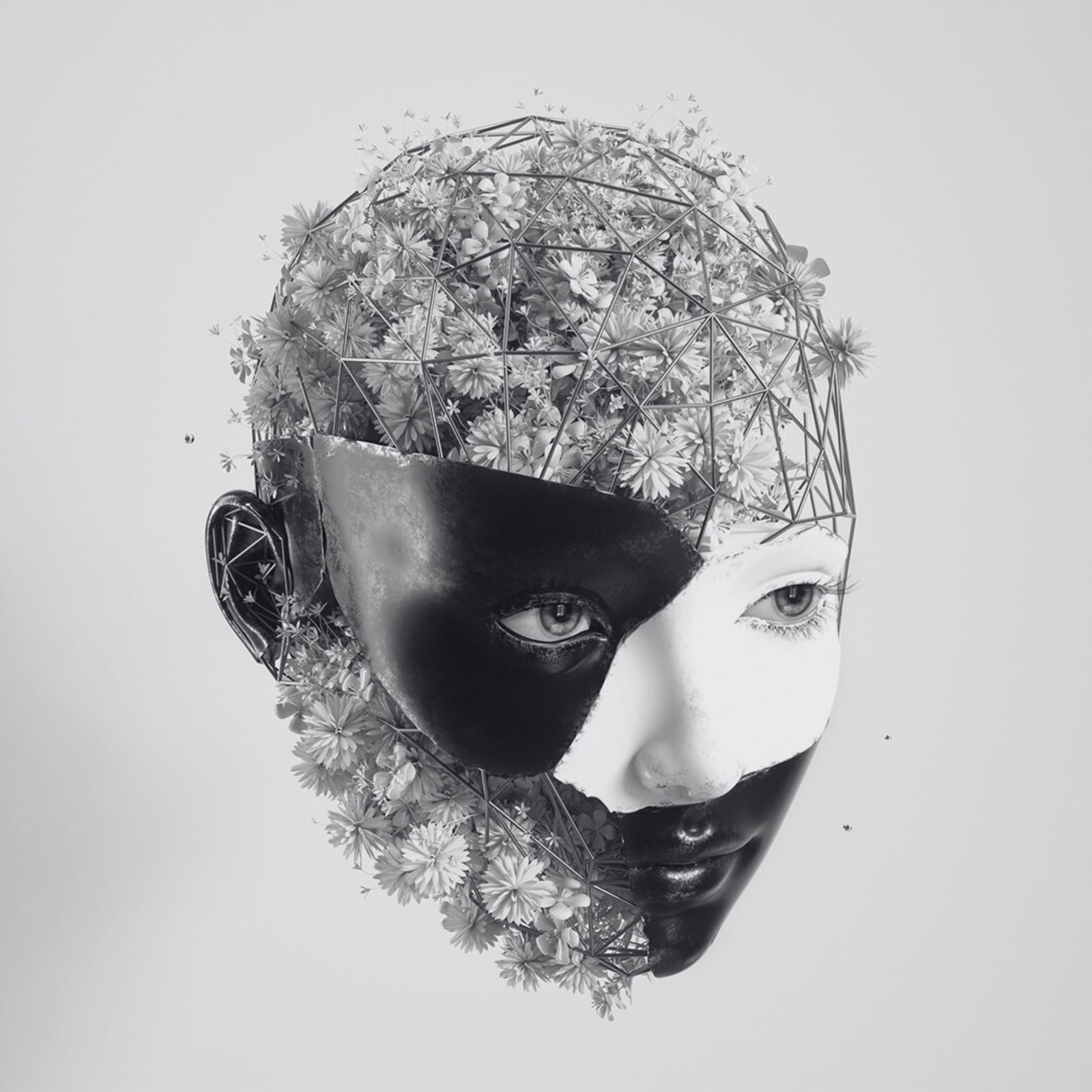
The subject matter of these recent animated still lifes revolves around the decontextualization of everyday objects, the displacement of their physicality, and the creation of collage-like worlds where forms, materials, and colors dominate former functions. In this way, Wagner creates a virtual space where objects and materials are allowed to exist without defined purpose, in contrast to the utilitarian spirit of modern capitalist society.
technique
3d
format
portrait
duration
03:12
year
n/a
Transport
More from Stefan Wagner
More on digital art
Generative art
Generative art refers to a way of creating artworks using an autonomous system. In digital art, these are usually generated from code and algorithms created by the artist, often with certain predefined parameters or systems. Although these parameters guide the final outcome of the work, generative art is generally a surprising way to create artworks, as the results are often unexpected and the number of possible outcomes can be infinite.
AI
AI art is a branch of generative art that uses artificial intelligence. Unlike other generative artworks, AI artworks use specific complex algorithms and models derived from machine learning. The most common methods for creating AI art today are GANs (generative adversarial networks) or proprietary prompting platforms such as ChatGPT, Sora, Midjourney, or Dall-e.
3D
3D art uses 3D software such as Blender, Cinema4D, Houdini, or video game software such as Unity to create works of art. In 3D works, artists can either arrange assets (the 'objects' in a 3D artwork or world) that they have created themselves or purchased from other creators to create elaborate environments and scenes (an approach to 3D art called 'set dressing'), or specialize in sculpting, which involves creating their own objects and assets.
Photogrammetry
Photogrammetry is a specialized 3D technique that allows 3D objects to be created from numerous photographs taken of an object or scene from multiple angles. These photos are then compiled to determine the specific positioning, shape, and dimensions of the object in space, and then converted into a 3D model. Initially developed for engineering and urban planning, photogrammetry has become a way for artists to produce extremely accurate 3D models from real-life images.
Collage
An extension of the traditional, plastic approach to collage, digital collage involves searching for and cutting out multiple images, extracting them from their original context, and recomposing them in a new arrangement to create a work of art. Artists can use their own photographs or find images on the internet.
Illustration
Digital illustrations are created using software such as Adobe Illustrator, Photoshop, or Procreate. As with drawing on paper, the artist uses a stylus to sketch a figure or object, usually on a tablet, to construct a scene or artistic universe. Unlike traditional drawing methods, digital illustration is much more forgiving, as mistakes can be easily corrected and drawn elements and objects can be easily moved around within a scene.
Video
Video artworks primarily use a recording camera, but may sometimes include additional post-processing or editing to distort, modify or add additional elements to the image. Some artists use state-of-the-art recording equipment to create macro zoom-ins or time lapses, privileging fidelity to the subject matter. Others use additional softwares to significantly modify or warp the video, creating an alternative perspective on the world that surrounds us.
Collections with the artist

Interiors
71 artworks

Caught in a Loop
80 artworks

Sunrise & Sunset
57 artworks

Augmented Still Lifes
55 artworks