Embrace a new era of creativity and bring a memorable footprint to your space with digital art. Art will enrich your public's experience beyond what you can imagine.


Anne Spalter
Future Landscapes


Martin Naumann
Liquid Pixels III - Horizont...


Lament Material
Ever changing


Anna Dart
HOLA DOLLS - Sun and Shadow

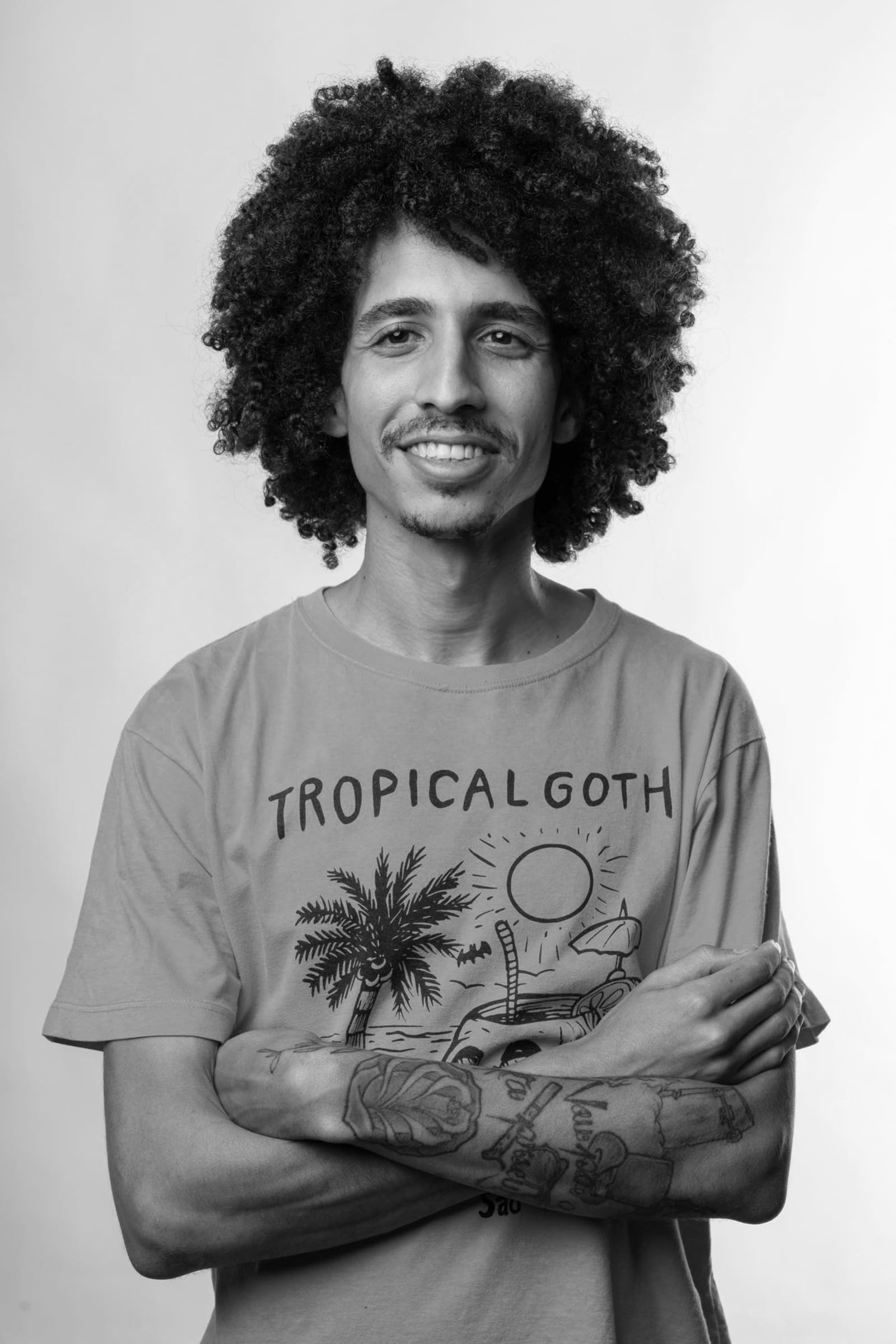
Bruno Bayeux
Fluxus #2 / Slow Down

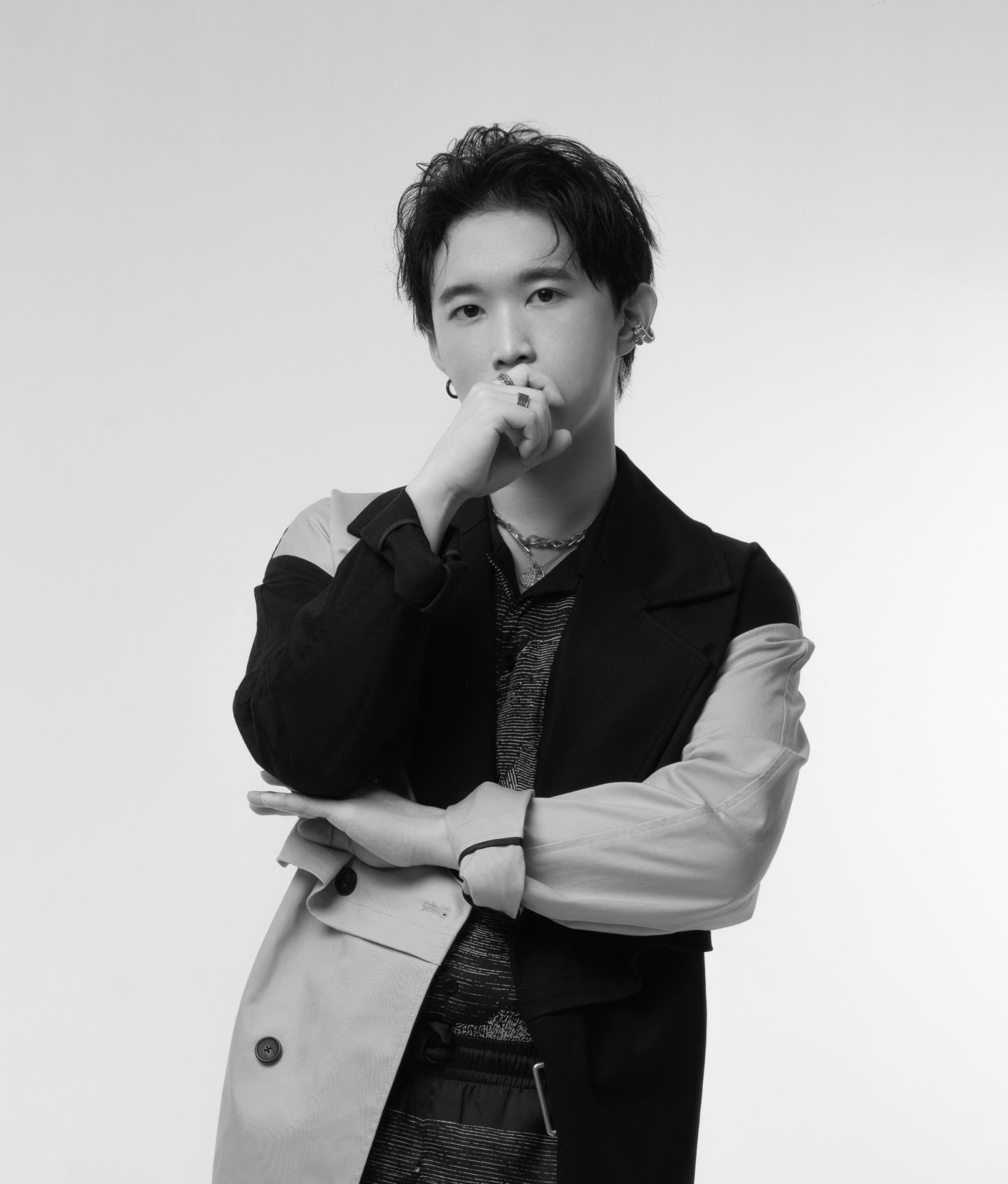
Che-Yu Wu
Sweet Dream
![[Illusive_Appearance__Elusive_Essence]__2_-_Vertical_Obvious_AI.mp4](https://image.mux.com/ZyQbMpqsEXhbqLYGZMCCCfWlTwDxgV02dwNcDW5261FY/thumbnail.jpg?token=eyJhbGciOiJSUzI1NiJ9.eyJ3aWR0aCI6ODAwLCJ0aW1lIjowLCJraWQiOiI1V01Qa2FZUDhseW9FbUswMUFnSGFXV2VXQUhwdkxRN0hCWWxPWm9RMjcwMVUiLCJzdWIiOiJaeVFiTXBxc0VYaGJxTFlHWk1DQ0NmV2xUd0R4Z1YwMmR3TmNEVzUyNjFGWSIsImF1ZCI6InQiLCJleHAiOjE3OTA5MDE2MDN9.iSo5lxyulxaOB66Q6bqlXJd5vyL9T720CYWdpTq98BGE9HTeB_PrYGAZUl7H_IBtylq7ihWDOH1Co45Vh8wdpBtP_5ER4Gl8oFT-_ysStwFenHsZvG58Kbmq_RqDt1DyoEmHHL_t4bWkTF03g0F3vmTLgVP9RfhKR70ym9sLb-uBiOoh1y4L4gax7wX3C88xDzhHc5U56rM16OU9dPWn4Jjuapn22K_1yfdCod0zU1nZz3ocdPCKAql7IGOGnwqwlMmVjWdnBHv3iwchofLHioAe25bP3qGpYBk-cLn8-zmQ0hnn8mn2DPGoXzjqQ1WKebVAcJG9UsMAV5bRA6NPxQ)

Obvious
[Illusive Appearance / Elusi...

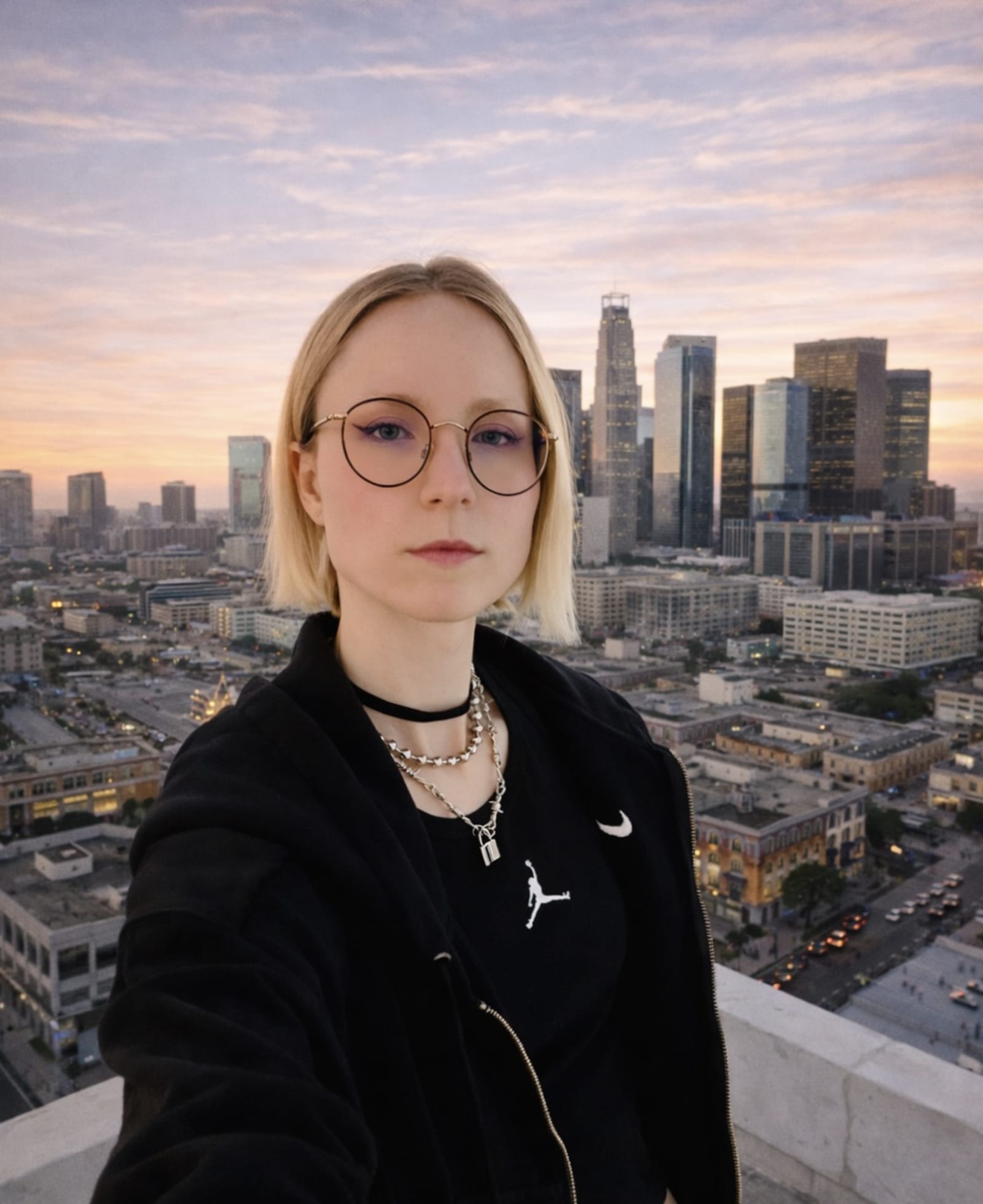
Mandy Stoller
Fragmented Memories XIII - H...


Clear Void
Molecube #1


Gabriel Morala
Cloth String - Vertical
Client review
We want to create a unique and memorable experience for our guests, and it starts from the moment they arrive. Upon entering the hotel, the guest is immersed in a unique artistic universe. They are invited to live an immersive artistic experience, and to contemplate the work of digital artists from around the world.
Andres Lopez-Dafonte, Directeur des Opérations du Pullman Paris Tour Eiffel

In this selection of works, artists show us the future that awaits us if we don't do anything to stop the climate change. Droughts, fires, floods, melting ice caps....these artworks are here to remind us that our actions have consequences and that we can't continue to live like we do. Employing digital tools, artists are able to immerse us in visions that are actually not far from a probable future. With their unlimited imagination, they teach us to take care of our environment and to look after what surround us, in order for our planet to thrive for many generations to come.

Fungi occupy a kingdom of their own, distinct from plants and animals, their significance extends far beyond biology. Mycelium networks embody interconnection and exchange, offering a metaphor for networks, community, and nature-made technologies. Mushrooms speak to transformation and regeneration, able to turn decay into fertile ground and life into renewal.
Fantastic Fungi brings together artworks that reimagine fungi from mushrooms to sprawling mycelial networks. From vibrant, iridescent mushrooms to humanoid shapes, these works transform the hidden, often overlooked structures of the fungal world into visible manifestations.
By highlighting these hidden structures and their cycles of growth and renewal, this collection invites viewers to reconsider familiar ideas of life, communication, and interconnections.

All forms of art - whether painting, sculpture, photography or digital art - have the power to encourage a contemplative and meditative state of mind. The same is true of digital art, where some may find peace in the perfection of well-executed code, balance in symmetrical or geometric shapes, or refreshment in a bath of technicolor.

This collection unveils the enchanting world of butterflies, messengers of light and transformation. Through these artworks, their delicate wings become prisms where sunlight shatters into iridescent reflections, capturing the ephemeral and the sublime. Each piece reveals the quiet beauty of these creatures: their vibrant colors evoke the resilience of a nature in constant motion.
Butterflies become guides, gliding through dreamlike forests and imaginary gardens. They embody the duality of nature: fragile and untamable, intimate and majestic. This collection is an ode to metamorphosis, a celebration of the beauty born from the fleeting encounter between earth and sky.

The art of sculpture is above all a history of techniques. Modelling, cutting, casting, drawing, depending on how the earth, metal, wood or stone is worked...
But by practising sculpture in a virtual space, artists open up a new world of possibilities. Both the material and the techniques used to do so are freed from the prosaic considerations of reality: gravity, temperature, fragility... and give free rein to their imagination to create impossible statues with strange properties, such as malleability.
However, digital sculpting is not as radical a break with the history of sculpture as one might think: on the contrary, we observe among many digital sculptors a renewed interest for its past and especially for ancient sculpture, which continues inspire artists over centuries.

Art mingles with our deepest meditations to accompany us on a journey towards the discovery of our inner peace. While the therapeutic virtues of art are well known, they are multiplied through the exploration of new media by artists, who give shape to new and unique sensory experiences. Captivating and relaxing, the works presented in this collection play with patterns and textures, in sometimes kaleidoscopic and psychedelic animations. Artists plunge us into restful worlds, on the frontiers of imagination and reality, to offer us a moment of escape in a meditative artistic contemplation.

Not surprisingly, the way the internet has changed our culture is a central topic for many digital artists. Some artists take a nostalgic approach to the early internet icons and symbols of the 1990s and early 2000s, while others are interested in the power of the blockchain and how it is shaping a new digital art market. This collection demonstrates the various methods and techniques through which artists explore internet culture. Through art made with code, by exploring the glitch, in making references to the blockchain or through exploring how our lives and bodies are increasingly entwined with technology, these works go back to the essence of the influence - good or bad - of the internet on our lives today.

This selection of artworks demonstrates how digital artists treat the topics of history and heritage in different ways, utilising diverse techniques to achieve their intended messages. An overarching interrogation point for many of these artists is: how can history be reconsidered, reappropriated, or rewritten through the biais of new technologies?
For artists such as the French collective Obvious, or Japanese artist Saeko Ehara, for example, using AI technology is a means to revisit the past and reinterpret it through visual co-creations with the machine. Elsewhere, Joelle McTigue creates abstracted works based on her own photography of various architectural and botanical subject matter where she lives in Montenegro, and in so doing recounts the economic, political and colonial histories of this location. Other artists such as Marine Bléhaut or Rafafans utilise video or animated collage from historical film archives or artworks to provide a contemporary spin on old source material, touching upon themes of memory, nostalgia, or timelessness.

Design has often had close ties with fine art. In digital art, where many artists first begin their careers as graphic or web designers, the link between the two seem closer than ever. In this collection, artists explore interior spaces in the context of design and fine art. Using AI, 3D technology, or even collage, each artist approaches interior design in a different way, whether it is constructing a hyper-realistic dream-like space, or interpreting an interior within the metaverse.

It has become more and more obvious that our planet has an expiration date. The only solution is for people to come together and change the way they live and treat their environement. Waste management and upcycling is no longer a choice but a necessity. Through the use of digital tools, artists create environments that move us and speak to our emotions in order to build a sense of urgency. Their artworks show us either what our world would look like if we don't do anything or they imagine places where nature is magnified because we took care of it. These artworks invite us to take immediate measures to solve environmental issues before it is too late. The clock is ticking and artists are here to remind us of this fact.

For Movember, this collection offers a visual reflection on the plurality of masculinities. The color blue, emblematic of the Movember campaign, runs throughout the collection as a guiding thread. The works in the collection themselves touch upon themes of solidarity, mental health awareness, and the varying corporeal, emotional and introspective states that together compose a fluid portrait of masculinity.

Mathematics structure the world around us, and art is no exception. Behind every form and visual balance lie the same laws that govern nature, architecture, and living systems. Symmetry, kaleidoscopy, fractals, cubes, and the application of mathematical theorems form the foundation of this collection. Far from opposing artistic creation, mathematical rigor becomes a tool and a framework for imagination to take form.
This collection brings together works that draw on algorithmic languages to generate powerful visual compositions that are rigorous and sometimes even hypnotic. Through repetition, precise balances, and infinite variations, the artists transform mathematical rules into sensory experiences, where logic becomes aesthetic material.

"Minimalist Marvels" is a carefully selected collection that explores the beauty of simplicity and the power of singular objects. In the digital age, where visual clutter often overwhelms our senses, these works of art capture the essence of minimalism. Each piece in this collection captures a moment of pure clarity, where the absence of intricate detail amplifies the impact of a solitary object.
By eliminating the superfluous, this selection of artists encourage us to appreciate the purity of form, the elegance of line and the harmony of colour. This collection acts as a place of respite, inviting viewers to rediscover the wonders that exist in the minimal, the subtle and the essentially elemental.

When it comes to art created by artificial intelligence, who is the true creator - the artist or the machine? As AI is slowly creeping into our daily lives, digital artists have also addressed the subject of the boundaries between humans and machines through their creations. For some artists, AI is a new tool for experimentation, allowing them to push the limits of creation even further. Other artists focus on the aesthetic power of the machine: can an algorithm, once it is diverted from its practical function, trigger a human emotion?

In this selection of works, a variety of artists celebrate the beauty of nature through differing techniques. Some artists use photographic or videographic methods to capture the purity of nature as we experience it today. Others take this concept a bit further by morphing perspectives and challenging how we perceive nature. And yet others take our natural world as inspiration and create flora and fauna that could exist in our world, and yet are tinged with something of the surreal.

What does music look like? Although many artists throughout the history of art have drawn directly from this intangible creative expression to create their works, capturing the sentimental and rhythmic notions of music is a challenge. Digital art offers a unique opportunity to rectify this dilemma, as artists incorporate the sound waves and decibels of music directly into the code they use to create generative artworks. Elsewhere, artists are taking the creative spirit of music and rendering it directly into figurative works, conveying the emotional magic that music can create.

At the start of June, the air slowly warms up, and life begins to buzz once more to the rhythm of those on holiday. It’s summer. Many of us are already soaking up those first rays of sunshine, the soothing ripples of the sea air, the warm breath of a tropical breeze, a cocktail in hand.
Through this selection of digital artworks, the viewer can let themselves be swept away into an eternal summer, reliving their fondest memories of a time when there was nothing to worry about.

This collection delves into a swinging topic: dancing, a timeless art form that transcends boundaries and takes us on a journey beyond ourselves. Through the ingenious fusion of dance, music and technology, digital artists create mesmerising visual effects that defy the limitations of the human body. From glitch art to interactive visuals, they explore the boundless potential of new technologies, amplifying the emotions evoked by human movement. Experimenting with colours and textures, artists allow algorithms to become co-choreographers, blurring the lines between physicality and imagination. Let’s experience the power of dance through the lens of the digital era!

(Extra)Ordinary Journeys gathers the works of artists who turn ordinary spaces into extraordinary gateways, blurring the boundaries between the tangible and the digital. Reimagining familiar spaces, whether glitch-filled cities or 3D subways, they invite us to explore not only physical transportation but also the inner landscapes of our thoughts and emotions as we walk in the streets. Through a rich set of techniques including glitch art, video art, and digital collage, these artists offer a fresh perspective on public spaces, transforming them into portals of contemplation and wonder. Step into this collection and let yourself embark on a voyage through the hidden dimensions of our contemporary world, allowing your imagination to wander through distorted spaces and movements.

Digital art sometimes carries a form of nostalgia for traditional art. Artists thus seek to reconcile the masterpieces of history with the tools of our time, always pushing further the limits of creation. Unveiling new horizons, they urge us to rediscover ancient art in unusual ways, thanks to 3D scans or models which pay tribute to the statues of mythological or real characters. In a fusion between ancient and digital art, travel through eras and artistic styles.

This collection shifts the scale, drawing us closer and closer until we enter the domain of the minute. Here, insects — fragile, vibrant, elusive — become the central figures.
Artists explore them in multiple registers: sometimes faithfully observed, almost scientific, other times reimagined through animation, abstraction, or fantasy. Beetles, butterflies, ants or dragonflies appear magnified, revealing structures, colors, and movements that usually escape the human eye.
By reducing the scale, these artworks invite us into a parallel universe where the tiny becomes monumental. Between fascination and strangeness, these insect-inspired visions remind us of the hidden beauty, complexity, and mystery contained in the smallest forms of life.

Conveying a message sometimes means aiming straight for the heart. The Light and Fun artworks all have in common a creative, dynamic and pleasing “je ne sais quoi”. What could be better than a feeling of joy and lightness when discovering an artist's work?

This collection places the human at the centre — as subject, as question, as mirror. Despite the rise of new tools and technologies, artists continue to explore what it means to be human: to feel, to remember, to evolve. Through digital techniques such as 3D, AI, and collage, they examine our relationship to ourselves, to others, to history and to the systems we create. The human here is complex — both vulnerable and resilient, fragmented and whole. These works remind us that behind every creation, there is always a presence: thinking, sensing, searching. Who are we becoming?

Data is the language of computers, the starting point of many computational process. Through algorithms and programs, it transforms into a symphony of zeros and ones. To the untrained eye, it is an invisible and mysterious object, hidden behind complex user interfaces. The artists in this collection reveal the behind-the-scenes of digital art by creating a meta-work where the tool merges with the artwork itself, thus transforming abstractions into tangible representations. Thanks to their vision, data comes to life and metamorphoses into true works of art.

This collection explores the many shades of red, from sunsets and fields of flowers to raspberries and painted lips. In the digital arts as in painting, red remains a color of extremes: passion and vitality, but also danger, tension, and power.
Science confirms its impact: red is the most visible color to the human eye, accelerating the heartbeat, heightening desire, and intensifying emotion. Here, red oscillates between softness and intensity, intimacy and universality, reminding us that to contemplate red is to confront the very essence of emotion.

This radiant collection celebrates the magical thresholds of sunrise and sunset — moments suspended between day and night. Artists across centuries have been drawn to this in-between, where light shifts, shadows stretch, and time feels fluid. Today, digital creators reinterpret this timeless theme using tools like 3D, AI, and collage to explore its cyclical beauty. Sunrise brings renewal. Sunset invites reflection. Together, they form a poetic loop — a gentle reminder of nature’s rhythm. Will you follow the light?

In this collection of works, artists take the themes of wild life and animals as their central focus, but explore this subject matter with differing techniques and approaches. There are mulitude of ways an artist can approach this topic, whether it is through humour and whimsy, as in the works of Gavin Shapiro or Ghost, or to address centuries old astrological symbols. Of course, the question of the preservation of endangered wild life and the environment also often comes into play, as digital artists create these works as a message and reminder to look after other living species around us, and concretise their memory on the internet or blockchain.

Digital tools have imposed a radical transformation on our relationship to reading and writing. This collection brings together works that depict this change : they show dream libraries, embodying the infinite accumulation of texts that is possible in the virtual world, and demonstrate or regret the disappearance of handwriting in favor of keyboards.
One thing is certain: the digital age has made words more powerful than ever. They are an inspiration, a weapon, a lifeline, and a way out. Let us preserve words and books, both virtual and physical: they incarnate our humanity.

In this collection, artists draw inspiration from the aesthetics and symbols of Japan to create visions that are at once poetic and contemporary. From the fleeting bloom of sakura to the majesty of Mount Fuji, from the timeless grace of geishas to the elegance of kimonos, each piece reinvents Japan’s landscapes and traditions. Temples glow with light, Kyoto’s backstreets become dreamlike scenes, and even sushi takes on the role of a graphic motif. Using digital tools such as Artificial Intelligence, 3D, and collage, these works capture the essence of Japan while taking it beyond reality.

Living beings, real and dreamed of, are an inexhaustible source of inspiration that numeric tools are renewing. Digital artists blur the boundaries between the animal, the plant and the human, between reality and fantasy, while feeding on various inspirations such as mythology, video games, life sciences and science-fiction. Supernatural creatures, mystical monsters, fantastic animal and strange plants roam around this collection and ultimately confront us to our most humane questions : the fear of what’s different, the definition of beauty, the cycle of life and the passage of time.
On an existing screen
Do you want to adorn your screens with digital artworks? We connect our digital gallery directly to your screens, and manage the content remotely to ensure a turnkey solution.
On a new screen
Don’t have a suitable display? We work with our technical partners to install a new screen for you. We will advise you on the most suitable location to integrate your new digital art experience.
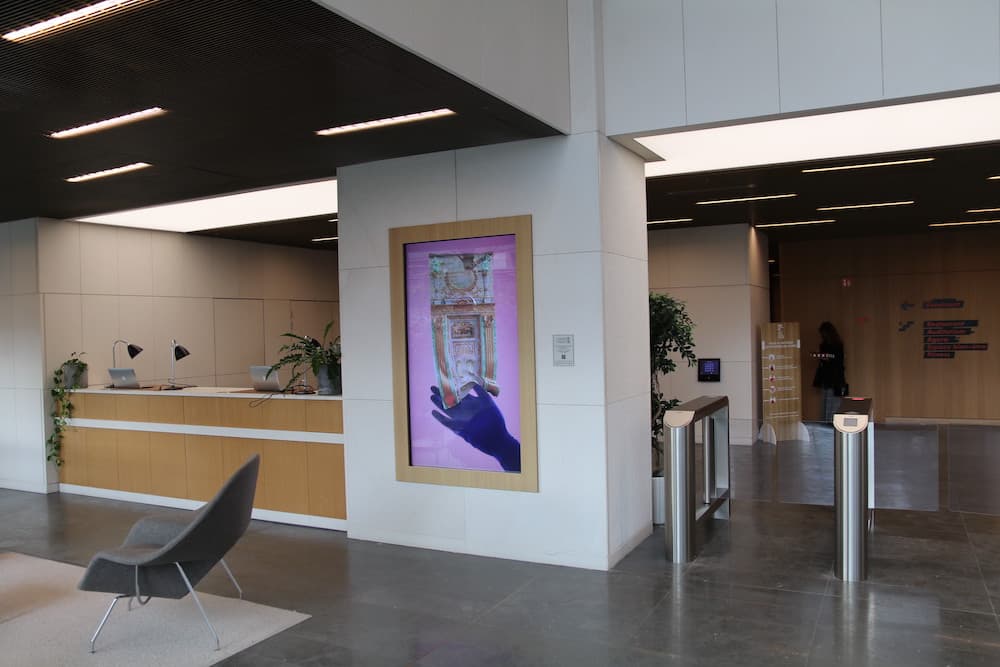
A personalized selection
Each month, we provide you with a 100% customized selection of works. Our experts take into consideration the atmosphere of your place, the profile of the people who frequent it and your brand image to create a bespoke digital gallery. Contemplative works, figurative works: whatever your desires, we have what you need to enhance your space.
Jonathan Monaghan, Tactile palaces: the Louvre
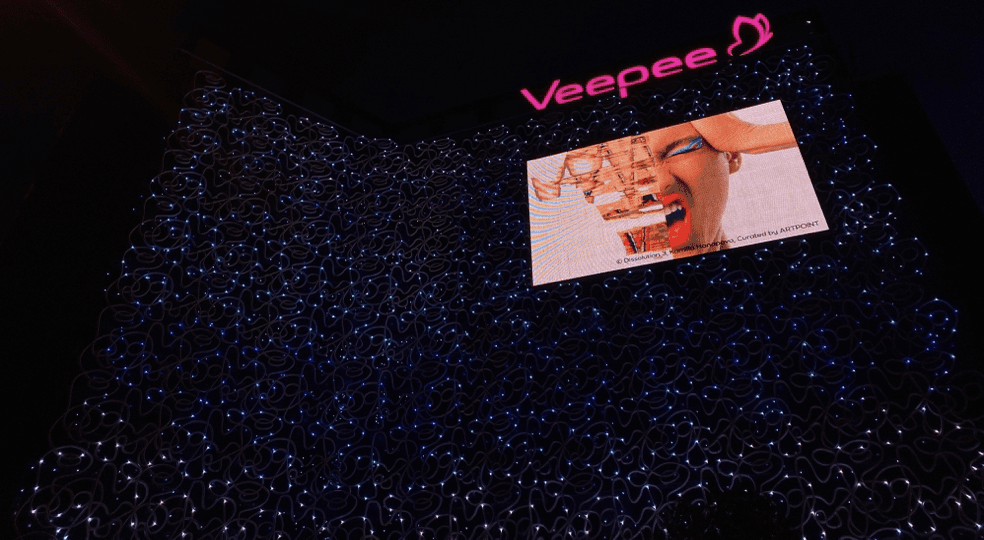
An off-the-wall museum
We accompany these galleries with content, on each work and each artist, to recreate a museum-like experience. This content is directly accessible by scanning the QR code affixed next to the screen. Your location becomes a veritable digital art exhibition space.
Kamilla Hanapova, Dissolution I
Art sur commande
co-créer une pièce unique mêlant art et nouvelles technologies
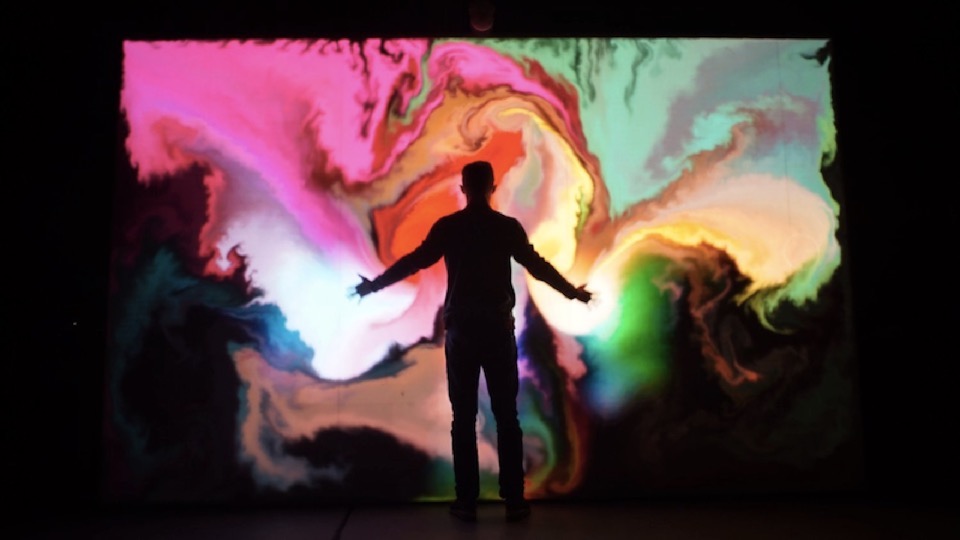
interactive art
Interactivity is a very fertile field of experimentation for digital artists. The spectator passes from a passive approach to an active one since he co-creates the work in real time. He does not only contemplate the work, but it is now his body that is engaged in this innovative and fascinating artistic experience.
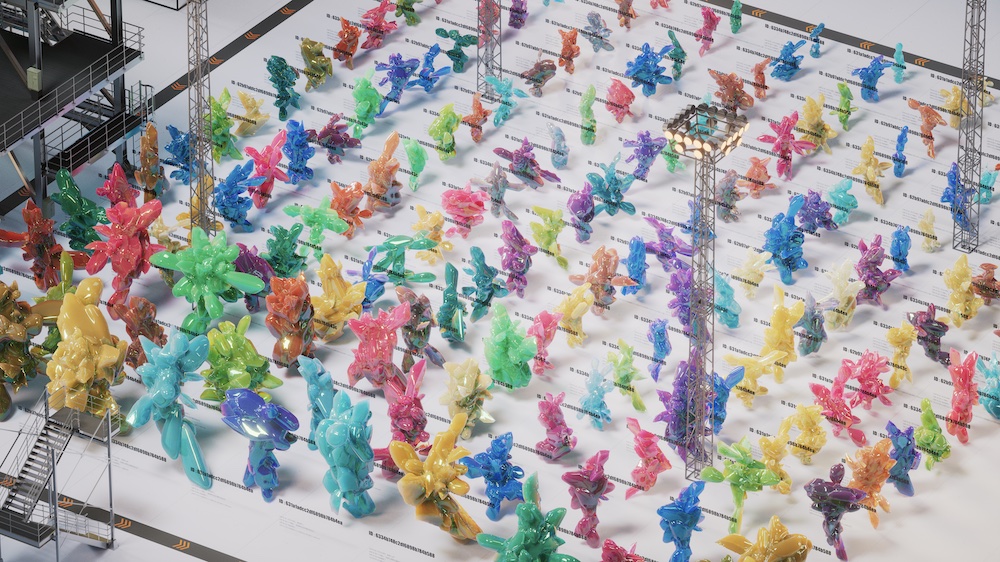
generative art
A generative work is a work that is generated in real time according to certain predefined parameters. The artist creates a computer code and it is the algorithm that executes the final rendering of the work. The work is then no longer shown in its frozen form: it is a continuous flow.
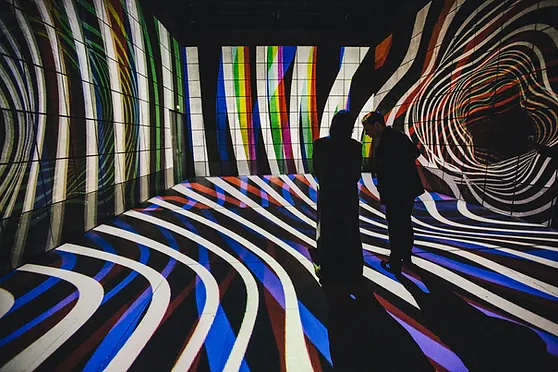
immersive art
We are able to deploy 360° universes in order to immerse the spectator in a multi-sensorial experience mixing art and technology. Visual production, sound, broadcasting support: everything is designed according to your space.
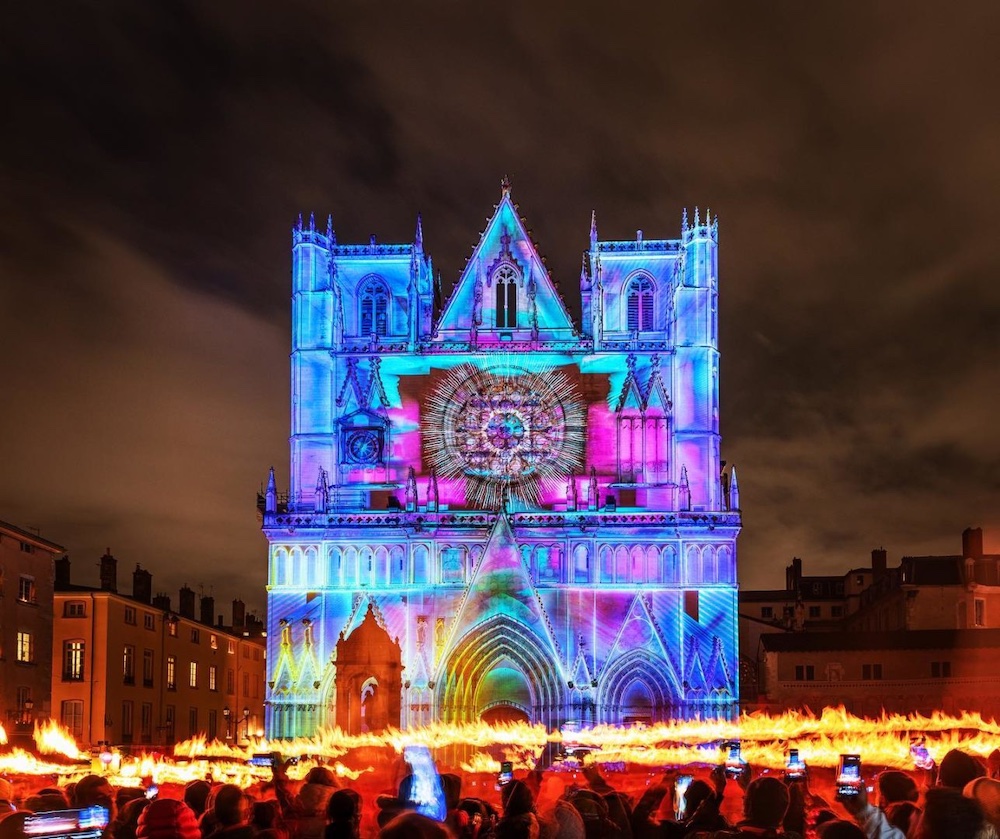
mapping
Thanks to mapping, transform your space into a real digital exhibition space. Our artists work in a customized way to elaborate a work thought especially for your space.
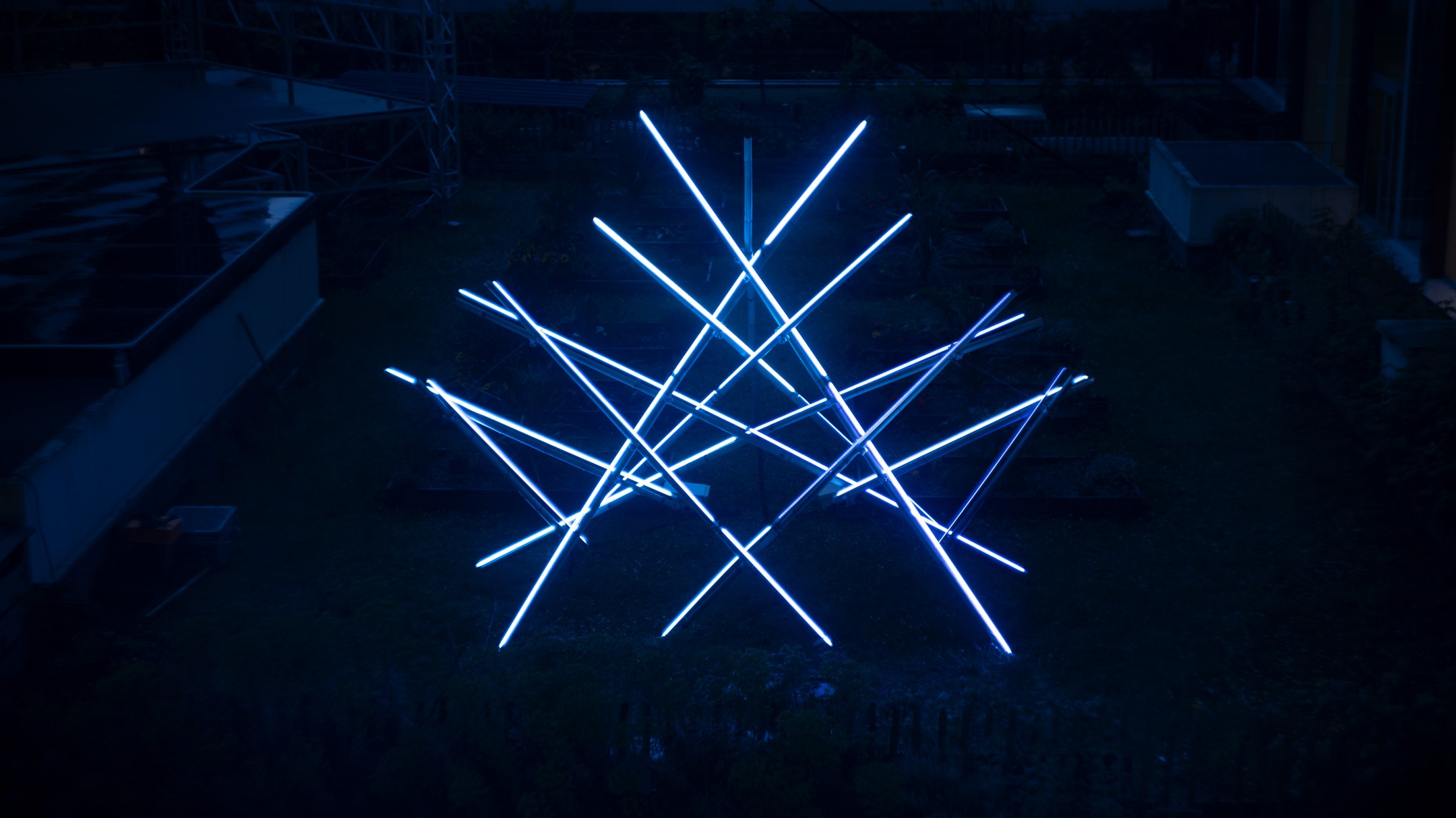
digital sculpture
The digital sculptures reenchant spaces by adapting perfectly to their forms and main components. By arousing the emotions of the public, the work offers a new perception of the space.
They trust us


















are you an
hotel ?
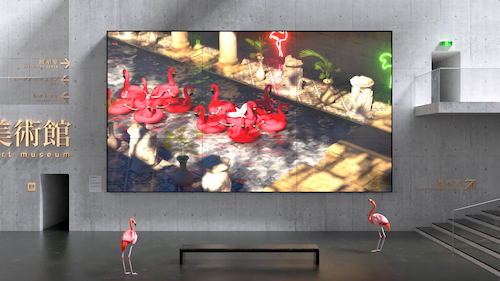
Digital art helps tell a story to guests. It is a powerful social connector and an integral part of the hotels' identity. By conveying unique emotions, it leaves a lasting and unique memory for guests.
are you a
company ?
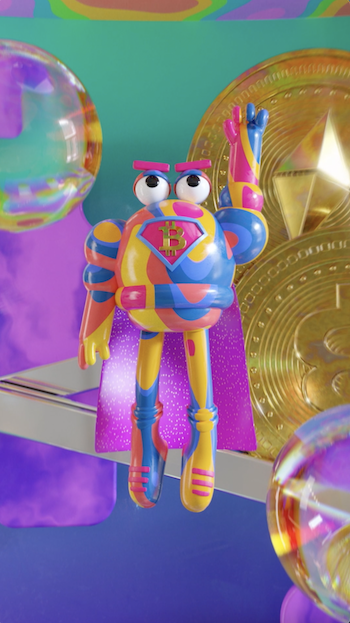
Displaying art is a great way to make your office more inviting and creative. It's also a great way to show your company's culture as a forward-thinking organization.
are you a
retailer ?
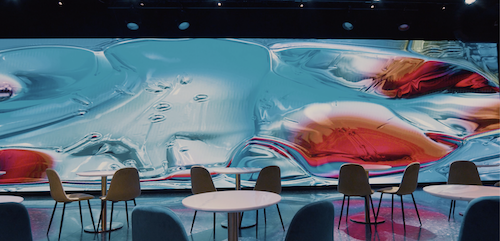
With the rise of e-commerce, stores have been looking for ways to improve their customer experience. Digital art allows them to stand out and increase attendance rates.